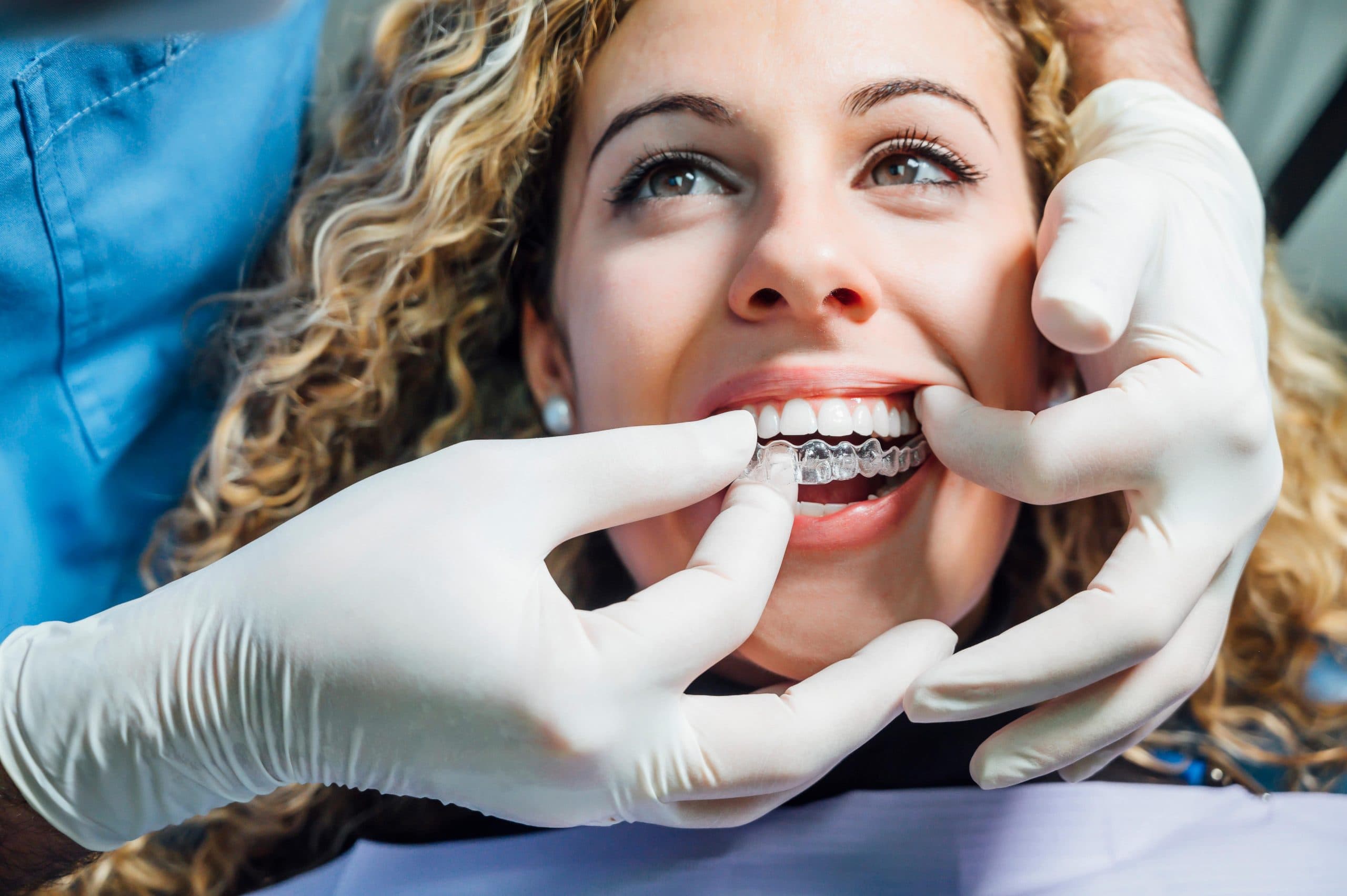
February 14, 2022
A great set of teeth and a beautiful smile set you up for higher confidence, self-esteem, and success. That’s why having a good pair of teeth is immensely vital. Countless people suffer from various oral health issues, including crooked smiles, unsightly gaps between teeth, or overcrowding. However, only a few of them take the necessary treatment to counter these problems, and most people continue to postpone their treatment. Fear of going to Invisalign dentists or wearing traditional braces is one of the most common reasons people avoid treatment. But postponing the treatment can have adverse effects on your oral health. Besides, teeth treatments such as Invisalign are easy to implement, do not affect your aesthetics, and help restore your smile in a matter of months. This blog post is dedicated to Invisalign treatment and everything you need to know about it. Let’s dive in.
What is Invisalign?
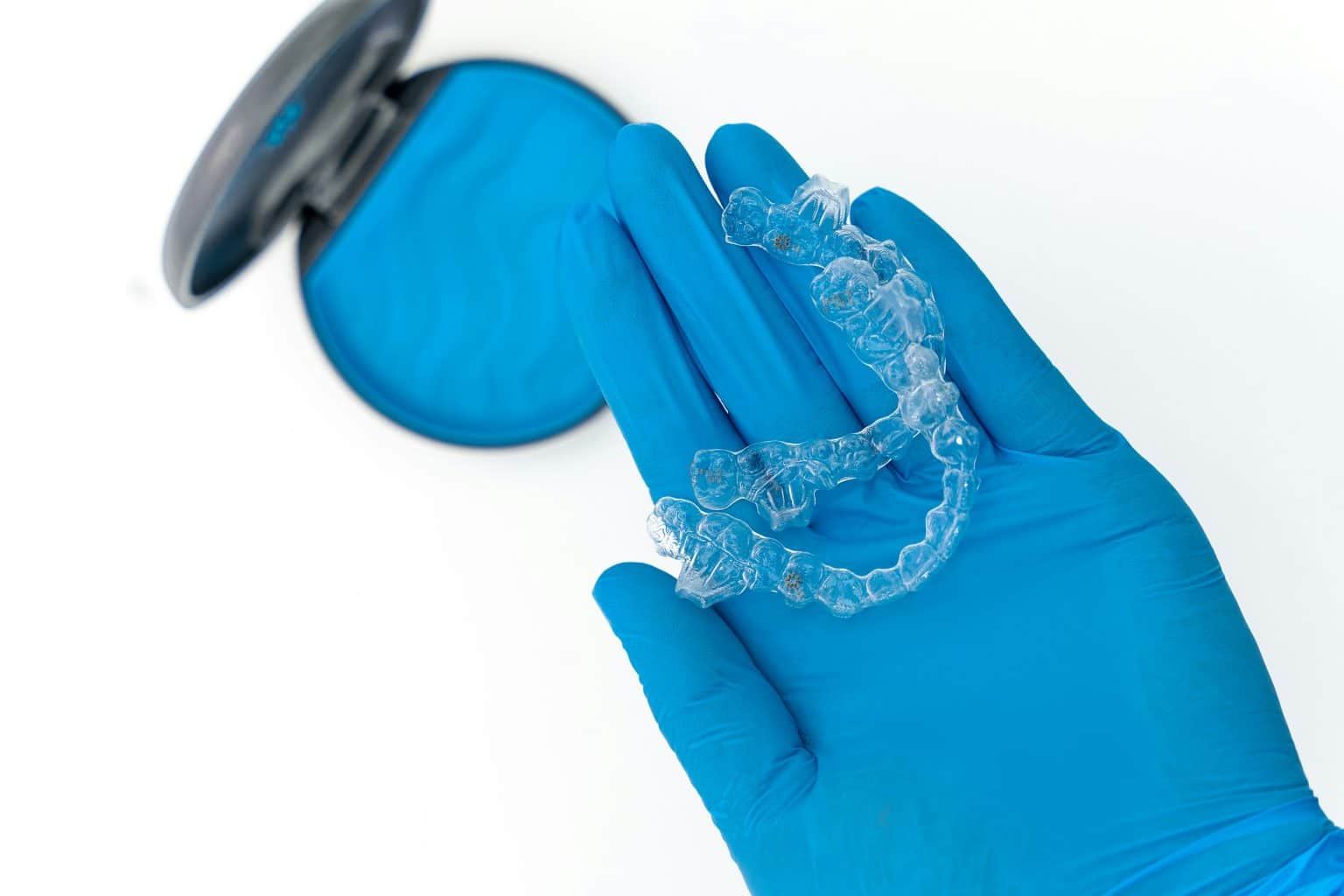
Invisalign is a new-age alternative to traditional metal braces that helps you straighten your teeth and improve bite issues. They are a set of clear plastic aligners fitted over the unstructured teeth and help solve teeth gaps, crowding, underbite, and overbite issues. The Invisalign aligners are crafted using a mould of your mouth and work by putting substantial pressure on specific regions of your teeth to gradually shift your teeth into the correct position. Invisalign aligners can be effortlessly taken in and out and need to be worn for 20-22 hours a day. Also, the aligners need replacement every two weeks to correct the exact position of the teeth.
Why do You Need Invisalign?
Invisalign aligners offer a great mechanism to reposition your teeth and solve any teeth issues that are working as an obstruction for your teeth. The following dental issues and conditions can be treated with Invisalign:
Overbite
An overbite or buck teeth is a misaligned advantage of teeth whitening when the upper jaw of your mouth overlaps the lower jaw.
Underbite
An underbite is completely the opposite of an overbite and is a condition where the lower jaw of your mouth overlaps the upper jaw.
Crossbite
A crossbite is a dental condition in which the upper teeth fit beneath the lower teeth when your mouth is at rest.
Gap Teeth
Diastema or gap teeth dental condition refers to a substantial amount of gap or space between the teeth which affects the correct functioning of the teeth.
Open Bite
An open bite is a dental condition in which the lower teeth and upper teeth leave a gap behind each other on the closure of the mouth.
Crowded Teeth
The crowded tooth is a dental condition where due to mis-position of teeth, there isn’t sufficient space left for the growth of permanent teeth.
Misaligned Permanent Teeth
Misaligned permanent teeth, also known as Malocclusion, are a common dental condition where a person’s teeth are misaligned.
Is Invisalign Suitable for Everyone?
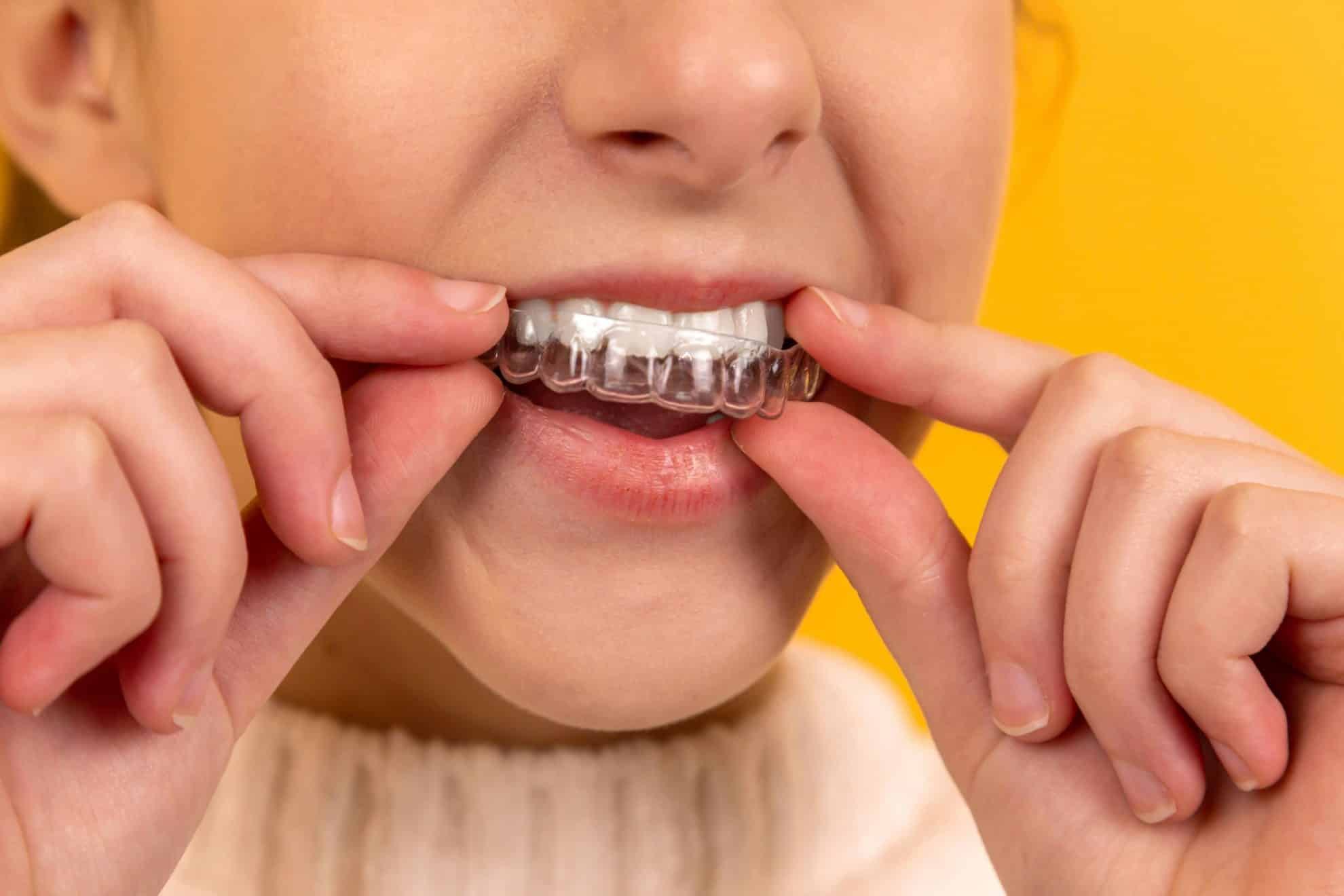
This is a common recurring question asked to dentists by patients ‘Is Invisalign suitable for all people?’ Well, though Invisalign is suited for most people, it isn’t a good option for patients with:
Complex Malocclusions Dental Conditions
Complex malocclusions can be better treated with traditional metal braces than Invisalign due to the complex pattern of the teeth.
Tooth Decays or Gum Diseases
People suffering from gum issues or tooth decay may require other dental treatments such as cavity filling, RCT, etc. This could impact the proper fit of aligners and won’t deliver the desired results of Invisalign treatment.
Temporomandibular Joint Disorder (TMD)
Invisalign is not recommended in certain cases where people have TMD, as wearing it can either intensify jaw pain or enhance their current condition of TMD.
What are the Different types of Invisalign?
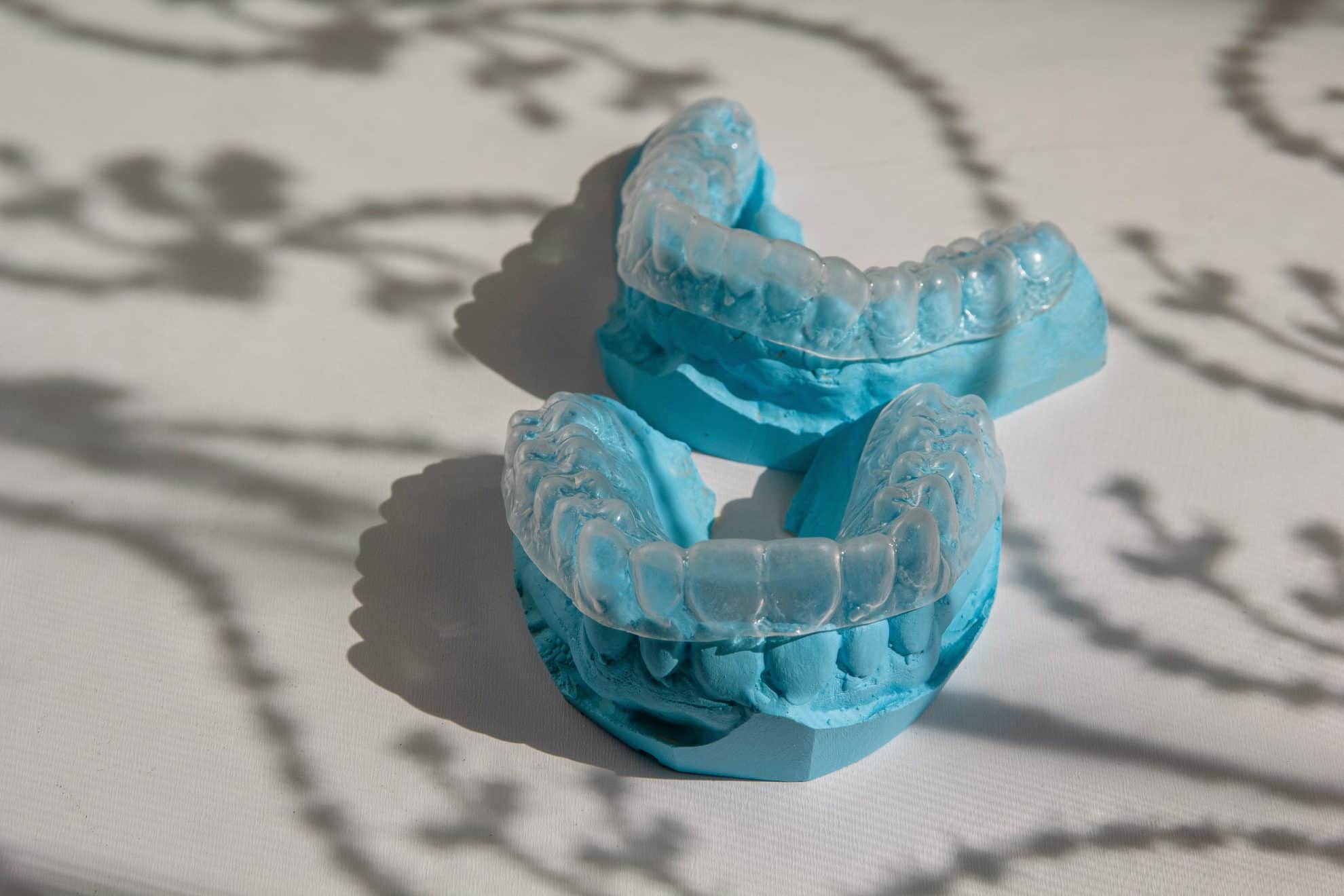
Below are some of the different types of Invisalign:
Invisalign Full
These are the most common types of Invisalign treatment given to the majority of patients. Invisalign Full is used for treating complex orthodontic conditions. The number of aligners used in this treatment method depends on the severity of your condition and the recommendations made by your dentist. The Invisalign set may comprise as many aligners as required for the correct treatment of the condition. This method may take from 12 to 24 months to complete. However, the time period may vary in each individual case. Apart from that, the patient needs to visit the dentist every 1-2 months to check the progress of the treatment.
The Cost of Invisalign Full: The treatment plan for Invisalign Full starts at £3,300.
Invisalign Lite
Invisalign Lite aligners are designed for patients with mild to moderate tooth issues or crowns. This treatment method is focused on treating minor orthodontic issues such as overcrowding of teeth, spaces between teeth, and other alignment issues. Invisalign Lite uses a fixed number of aligners (approximately 14) to correct minor tooth discrepancies. Moreover, the treatment time in this method is comparatively shorter and takes about six to seven months to complete. This treatment method is suitable for patients who require the straightening and positioning of their teeth to be adjusted.
The Cost of Invisalign Lite: The treatment plan for Invisalign Lite starts from £2750.
Invisalign i7
This is a faster version of Invisalign that takes only a few months to complete. This treatment form is mostly advised for patients who require minor dental corrections. For example, if you have one crooked tooth or a minor crowding issue, Invisalign i7 might be the ideal choice for you. In this treatment method, approximately seven aligners are designed to help in repositioning the teeth. It is a good option if you have previously undergone orthodontic treatment and your teeth have begun to shift out of position again.
The Cost of Invisalign i7: The treatment plan for Invisalign i7 starts from £1750.
Invisalign Teen
Invisalign Teen is specifically designed for teenagers with orthodontic issues and who do not prefer braces. These aligners help straighten the teeth, moving the jaw forward and leaving room for still-erupting teeth, which improves biting and enhances smile appearance. These aligners feature a compliance indicator that fades from blue to transparent if the patient does not wear them for the required amount of time each day.
The Cost of Invisalign Teen: The treatment plan for Invisalign Teen starts from £2000.
What Goes into the Treatment of Invisalign?
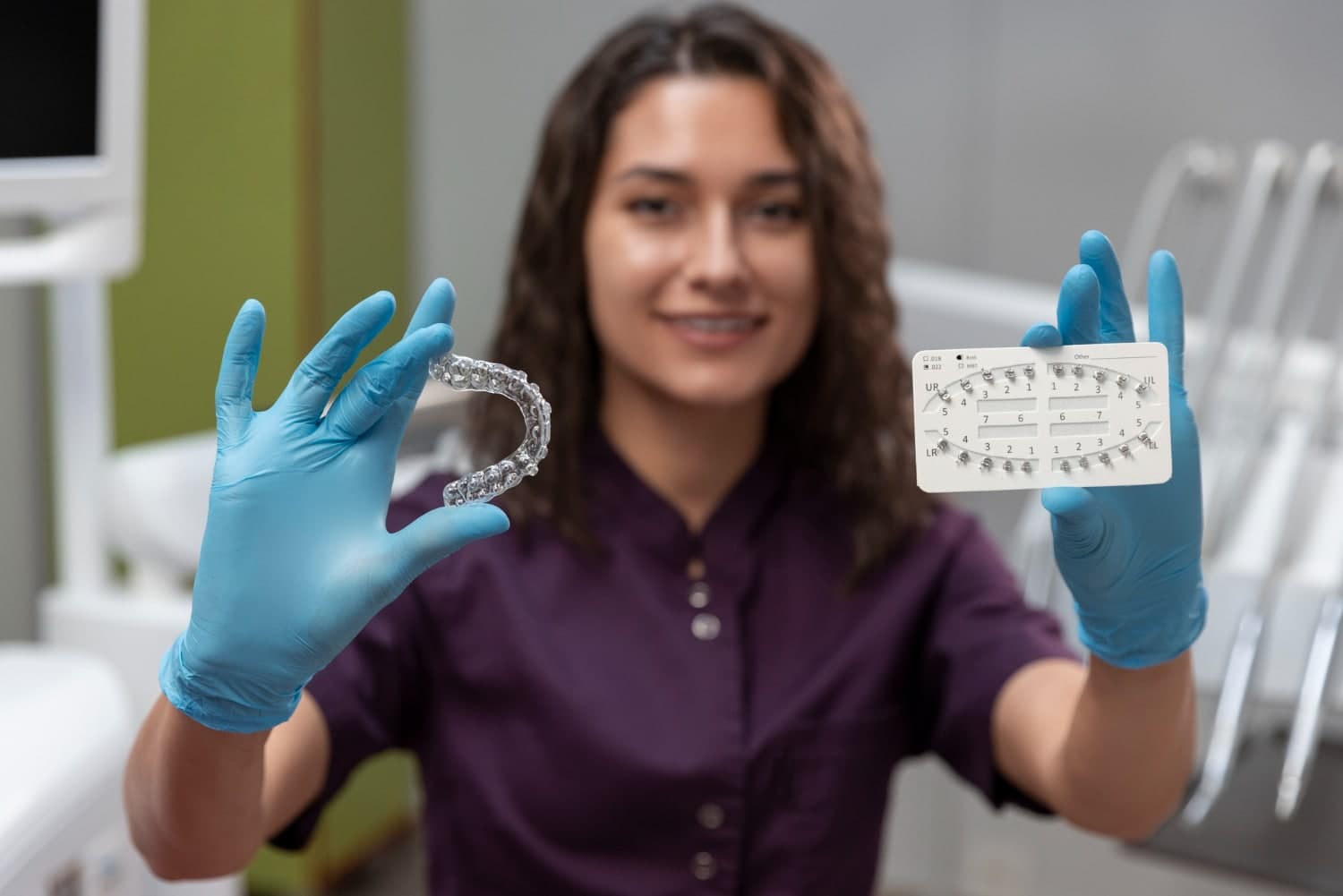
Below are some of the different types of Invisalign:
Initial Consultation
Your first meeting with the dentist will be a discussion and checking of your current teeth issues. The dentist will examine your teeth and analyse your teeth for any problems. They will also check and determine if Invisalign is an appropriate method for your case or not. If the dentist finds Invisalign suitable for you, they will thoroughly explain what Invisalign is and what goes into the process specific to your case. The dentist will discuss the emergency dentist cost and the time needed for the treatment. Make sure to get a list of your doubts and queries that you can clear with the dentist.
Taking Teeth Impressions
Once you have agreed upon the Invisalign treatment, your dentist will prepare a mould for your teeth. The dentist will use a special digital scanner to capture a three-dimensional image of your teeth. The scanned image will be sent off to the laboratory, where custom aligners for your teeth will be designed and checked for quality assurance.
Checking the Fit of Aligners
Your dentist will call you for a second visit after your custom-made aligners have come to the dentistry from the lab. The dentist will ask you to try them and make certain temporary adjustments by adding attachments to keep them in place. After successfully fitting the aligners, the dentist will explain in-depth the do’s and don’ts for your aligners.
Follow Up Treatment
You will go back to your dentist a few weeks after the fitting process for a follow-up. The dentist will examine the progress and current condition of your teeth and ensure the facial treatment is going in the right direction. You will have to switch out aligners after every two weeks as per the progressing condition of your teeth. However, switching out aligners is an easy process that can be done by yourself, and there is no requirement to make regular dentist appointments unless you wish to address any issues that come up. Once you have completed the given time period by the dentist, you will get a new set of beautiful teeth and a smile.
How Effective is Invisalign Treatment?
Invisalign treatment is highly effective and suitable for both teenagers and adults who wish to improve their smiles and correct the positioning of their teeth using an almost transparent method of treatment. Invisalign has successfully corrected the teeth issues of over nine million people and is advancing in the treatment of many others. Invisalign treatment became highly popular because of its ability to fix almost all teeth alignment and bite issues and maintain your mouth’s aesthetics. However, as mentioned above, Invisalign treatment might not work correctly for people with a really bad crossbite, overbite, underbite, extremely gapped or crowded teeth, or severely crooked teeth. Traditional braces are more effective than Invisalign in treating such conditions.
Pros and Cons of Invisalign
Everything has its pros and cons, and so does the Invisalign treatment. A few of them are mentioned below:
Pros
Easy to Remove and Wear
Unlike traditional braces, Invisalign aligners can be easily removed while eating food items which prevents the food from getting stuck into your teeth.
Simple Cleaning of the Mouth
The brushing and flossing activities are not disrupted as the aligners are easily removable.
Fewer Risks
A big drawback of traditional braces was the harm they caused to the gums of patients due to negligent accidents. Invisalign prevents such accidents and ensures a safe treatment process.
Improved Appearance
One of the primary reasons people choose Invisalign treatment is that it does not impact your appearance, unlike other treatment methods. Therefore, a majority of people choose this treatment method over others.
Cons
Not Suitable for Complex Misalignment Cases
A big drawback of the Invisalign on which scientists are still working is its limited ability to accurately work on only those people who require a certain kind of teeth movement. For other complex issues, another treatment option is required.
Food Limitations
One of the precautions of Invisalign treatment is avoiding eating hard foods that can instigate tooth soreness. So you get to limit your food options.
Requires Regular Compliance
Invisalign aligners must be worn for about 20-22 hours a day to derive maximum benefit. Hence, you need to think twice if you are a person who will easily get annoyed with the process.
Have to Remove Every Time While Eating
Eating foods with aligners can cause bacteria to develop along your gum line or teeth further leading to cavities. Therefore, the treatment requires you to pull off and on the aligners every time you eat or drink.
Comparison between Invisalign vs Traditional Braces
Dental patients are always confused about which treatment plan to choose for their oral issues. That is why we are differentiating between traditional braces and Invisalign for you to decide the right option for you. Here is a table depicting the differences between the two treatments:
| What to Know | Traditional Braces | Invisalign Clear Aligners |
|---|---|---|
| How it works | Metal brackets and wires fixed to your teeth until treatment is done. | Clear, removable aligners you change every few weeks. |
| Treatment time | Depends on your case — usually 1–3 years. | Also depends on your case — often 6–24 months. |
| Check-ups | Regular dental visits to tighten wires. | Regular visits too, plus new aligners every few weeks |
| Day-to-day care | Brush carefully around wires and brackets. | Wear 20–22 hours a day; remove for meals and cleaning. |
| Visibility | Very noticeable when you smile. | Almost invisible— the clear aligners blend in with your teeth. |
| Cost | Around £1,500 – £3,000. | AAround £1,700 – £5,000. |
| Best for | Severe or highly complex teeth straightening. | Mild to severe straightening, with a discreet look. |
Invisalign is clearly a better treatment option for those who can afford it in price and otherwise. Here are other reasons why Invisalign is better than other dental treatment methods.
How Much Does Invisalign Treatment Cost?
The total cost of Invisalign treatment from the first day to the last may be a deciding factor for many patients. So let us explain the overall costs involved in this treatment option.
Procedure Costs
We have already mentioned the starting hygienist price for different Invisalign treatments. On average, the procedure cost may require an amount to £2000 and above.
Aftercare Costs
There is a regular use of retainers in Invisalign treatment. They help sustain the changes and offer better and faster outcomes. It may cost you around £200 – £400 per retainer.
How to Care for the Invisalign Aligners?
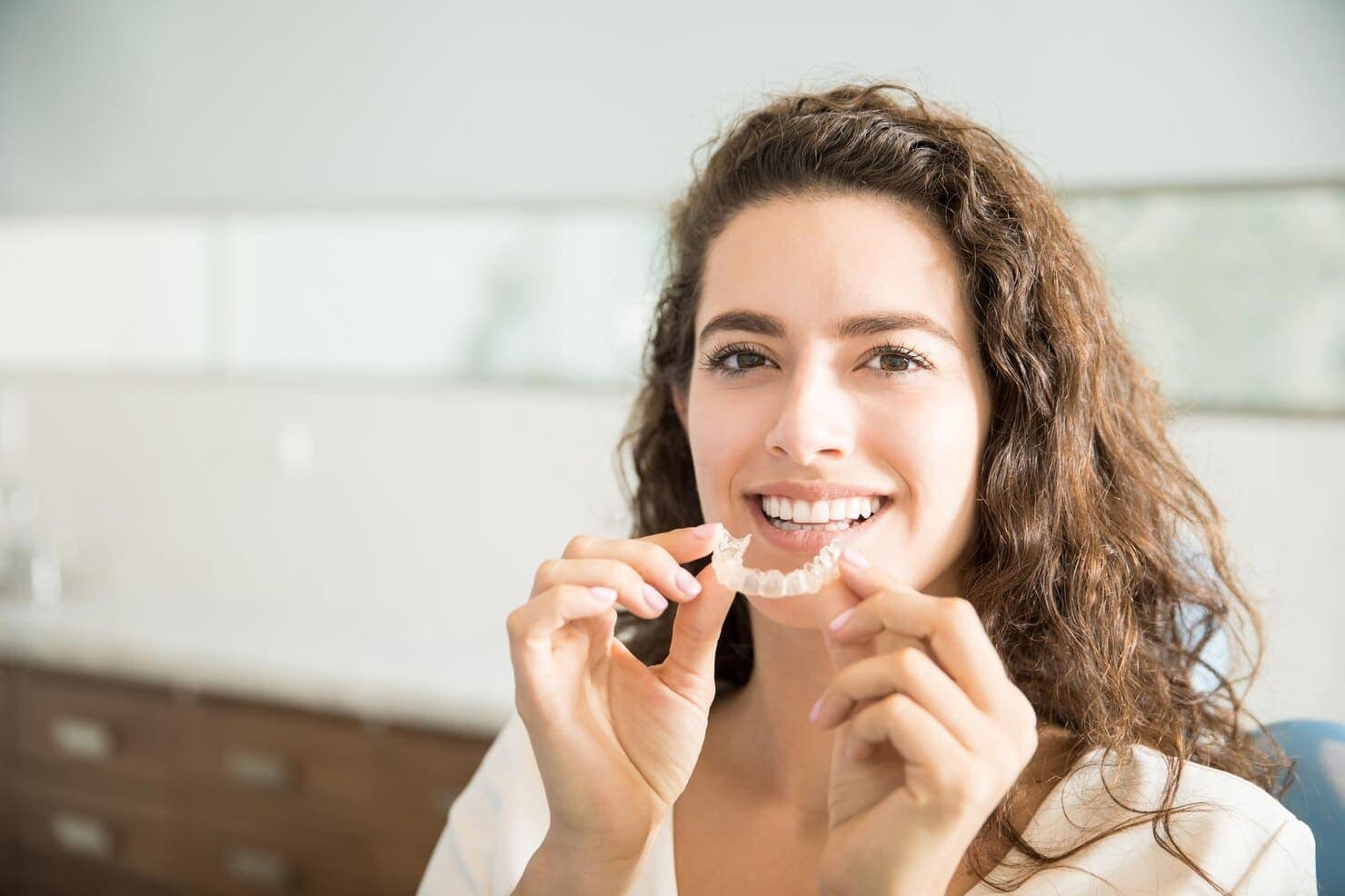
Taking care of your Invisalign aligners is imperative for swift results and preventing any other gum or teeth disease. Here are a few things to remember:
Continue to Brush and Floss
Note that your teeth still require good care for their healthy and proper functioning. Therefore, make sure to regularly floss, brush and rinse the mouth every time you eat to remove any accumulated plaque.
Change Aligners at Regular Intervals
For best results, it is crucial to change the next set of aligners as instructed. Only if you properly follow the treatment, you will get the desired results promptly and correctly.
Do Not Return to an Old Set of Aligners
Note that your teeth still require good care for their healthy and proper functioning. Therefore, make sure to regularly floss, brush and rinse the mouth every time you eat to remove any accumulated plaque.
Clean Aligners as Instructed
For best results, it is crucial to change the next set of aligners as instructed. Only if you properly follow the treatment, you will get the desired results promptly and correctly.
Remove Aligners Before Teeth Cleaning and Eating
Remove and set your aligners aside on a neat and lean surface every time you are about to eat something. Eating with aligners on can harm its design and work against your favour.
Do Not Remove Aligners for More Than Two Hours Daily
Wearing aligners between 20 and 22 hours each day is extremely important and must be done if you really want the right and fast treatment for your teeth.
Are there any Side Effects of Invisalign Treatment?
There aren’t any substantial side effects of wearing Invisalign aligners. Besides, this dental treatment method is much better than many other treatments. However, we managed to find some side effects that may incur in this treatment, such as:
Mild Discomfort
You megencay primarily feel a little uneasy when you start wearing the aligners as it may take some time for you to acclimatise with the aligners naturally.
Allergies
In very rare cases, the plastic with the Invisalign aligners designed may cause an allergic reaction, resulting in irritation in the gums.
Is Invisalign Suitable for You?
You have now accumulated sufficient information on Invisalign and its various aspects. Now the question comes, is the Invisalign treatment method suitable for you? To find that out, you will have to get your teeth examined by a professional dentist who can suggest the required solution for you. Complete Smiles is one of the finest dentists in the UK region that has treated many patients with Invisalign treatment. Book a consultation with complete smiles today to restore your beautiful natural smile.

Dr. Malavi Sivakanesan (292322)
Dr. Malavi Sivakanesan is the principal dentist and co-founder at Complete Smiles in Harrow, Greater London. She is responsible for establishing the Complete Smiles brand throughout the United Kingdom and Europe and has 5 successful practices under her strong leadership.