For Upper Jaw Tooth Loss
Zygomatic implants only restore missing teeth in the upper jaw.

Zygomatic Dental Implants
Unlike traditional implants, zygomatic implants attach to the cheekbone (the zygomatic bone), making it possible to restore upper teeth even…
4.7 Google rating
900+ verified patient reviews
Location convenience
Choose form 4 clinics
Flexible financing
No-interest payment solutions on selected plans
Pain management
Sedation options available
Experienced dentists
Clinicians with advanced training
Support for nervous patients
Calm, pressure-free care
Emergency appointments
Urgent dental care available
Private Dentistry Awards
Finalist 2023 · 2024 · 2025
Health-focused consultations
Understand options before deciding
Suitability first
Zygomatic dental implants provide a proven solution for upper jaw tooth replacement when other implant solutions are not possible because of bone loss.
Zygomatic implants only restore missing teeth in the upper jaw.
Recommended option when you don’t have enough upper jaw bone to support regular implants.
Excellent solution when dentures and other implants fail on the upper jaw.
Can be combined with other types of implants for full smile restoration.
Cheekbone attachment lets you skip upper jawbone grafting altogether.
Zygomatic implants bypass the sinus entirely, so no lift is needed.
The treatment journey
You will receive advice throughout your treatment from your implantologist and a treatment coordinator.
Your dentist will use X-rays and 3D scans to assess the extent of upper jawbone loss and determine whether zygomatic implants are the best solution.
If you are eligible, the dentist will discuss the treatment with you in detail. If you are looking for full-mouth implants, a hybrid solution will be presented.
On surgery day, your dentist will administer local anaesthesia and place the implants. The surgery may last 1-3 hours.
You will receive custom-designed dental prosthetics that will restore your smile. The permanent teeth are fitted after you’ve healed from the surgery.
You will need to come in for at least one follow-up appointment to monitor the progress.
Clinician trust
Our implantology team is led by Dr Pedro Coelho, one of the UK's most experienced implant dentists, having trained directly under the inventor of All-on-4. All our implant clinicians hold advanced qualifications and have extensive hands-on experience with various implant procedures.
Dentists with specific experience in placing zygomatic implants
Work alongside a treatment coordinator for extra care and comfort
Receive detailed advice before and after your procedure
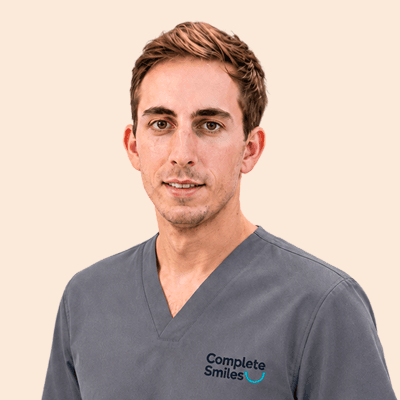
Dentist
GDC 297274
Compare your options
Specialised implant solutions can sound very confusing. Our dentists explain the difference between various solutions for upper jaw tooth loss.
| Zygomatic Implants | All-on-4 Implants | Subperiosteal Implants | |
|---|---|---|---|
| Placement | Anchored in cheekbone (zygoma) | Either jaw with sufficient jawbone | Either jaw under gumline, no bone integration |
| Bone Grafting Requirement | Not required | Sometimes required | Not required |
| Stability & Longevity | Very stable, long-term success | Stable if bone quality is good | Less stable, higher failure rates over time |
| Indications | Severe upper jawbone loss, failed grafts, complex cases | Full-arch restoration with moderate bone loss | Patients with extreme bone loss who cannot undergo grafting |
Not sure which is right for you? Our team can talk you through all the choices.
Ask the teamTreatment fees
All prices include the consultation, scans, the procedure, and the prosthetic teeth. The exact cost is confirmed at your consultation.
Not sure which implant option suits you? The team will advise at your consultation.
Ask the teamAll cost estimates are provided in accordance with GDC clinical standards. Financing is arranged through FCA-authorised third-party credit providers.


Proven Outcomes
Our patients share how implants, aligners, cosmetic treatments, and more helped them achieve stunning smiles and regain confidence.
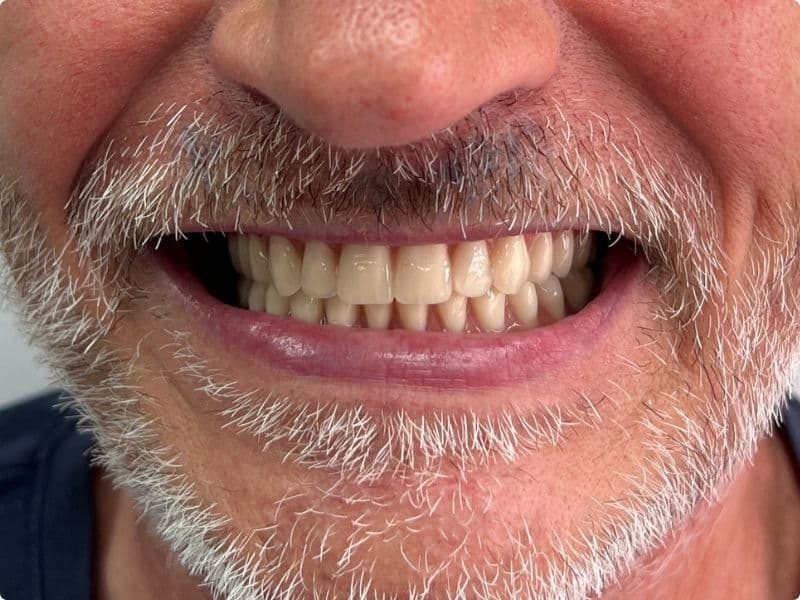
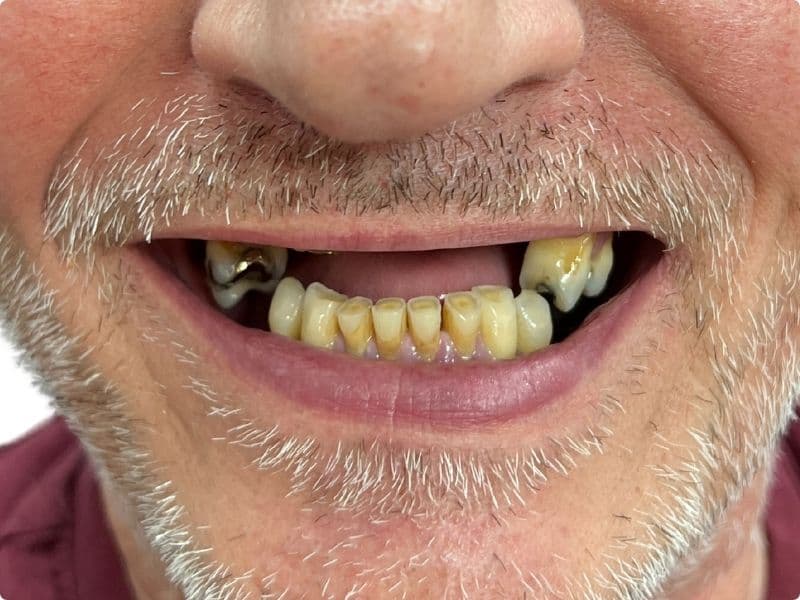 after
afterBefore and after smile restoration with All-on-4 implants.
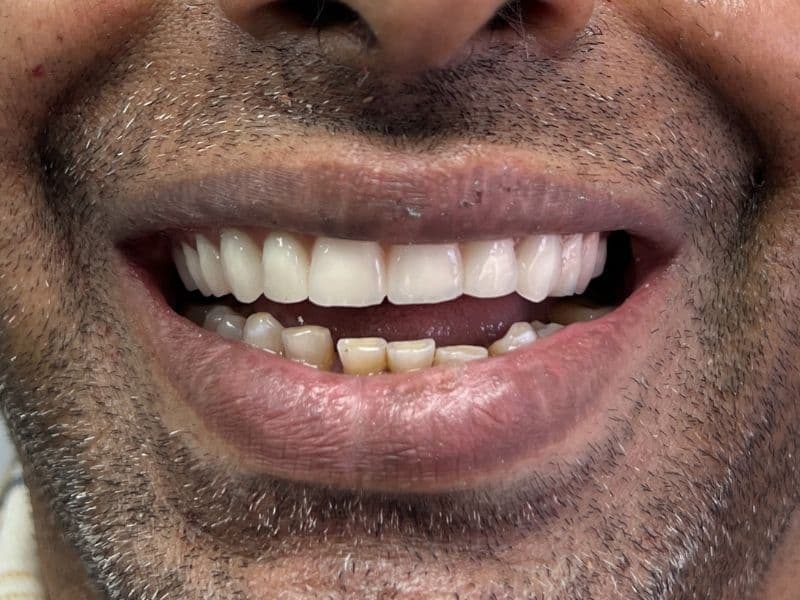
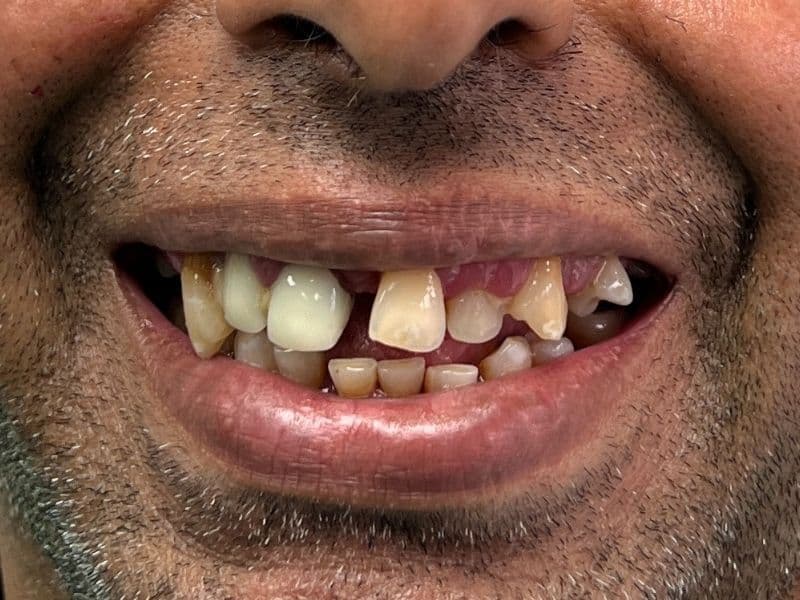 after
afterBefore and after All-on-4 single (upper) arch treatment.
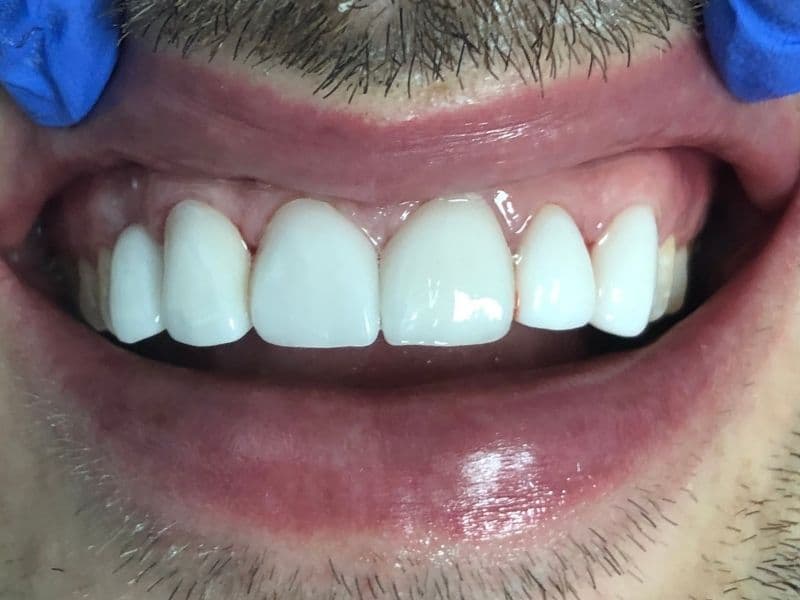
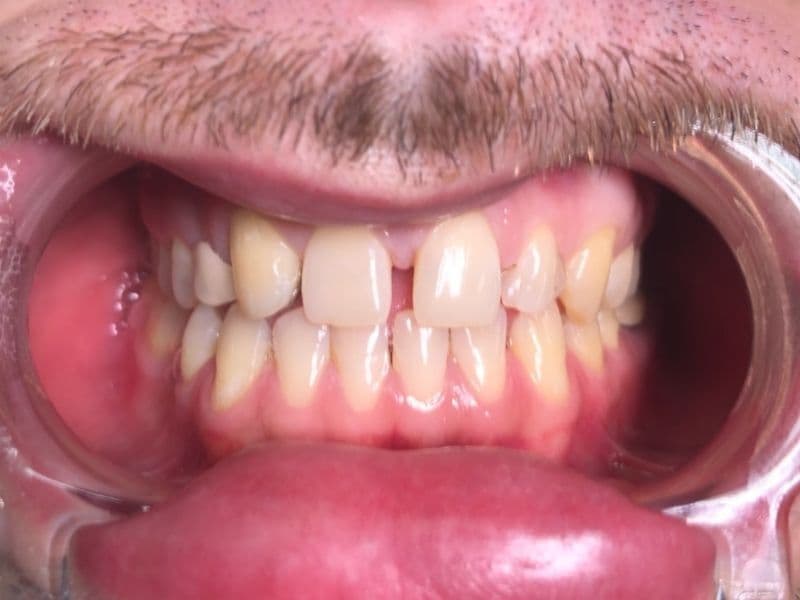 after
afterBefore and after improving the appearance of teeth with composite bonding.
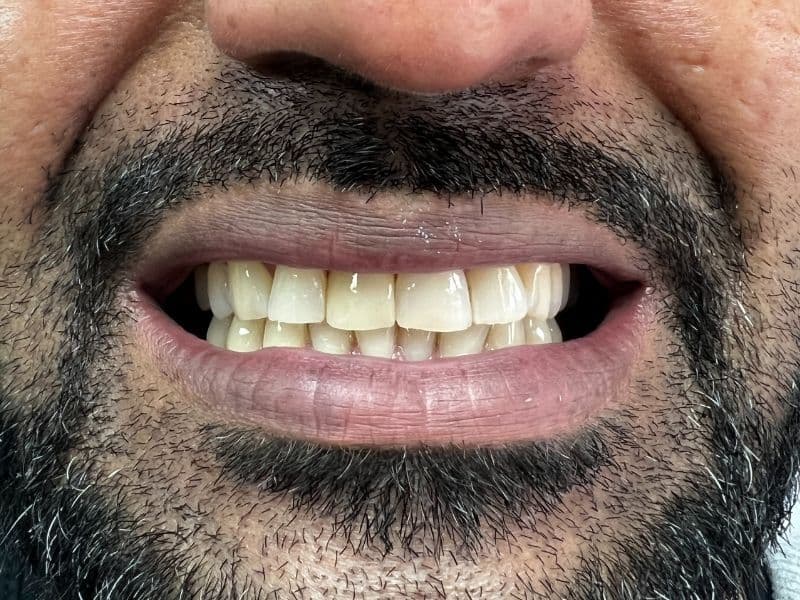
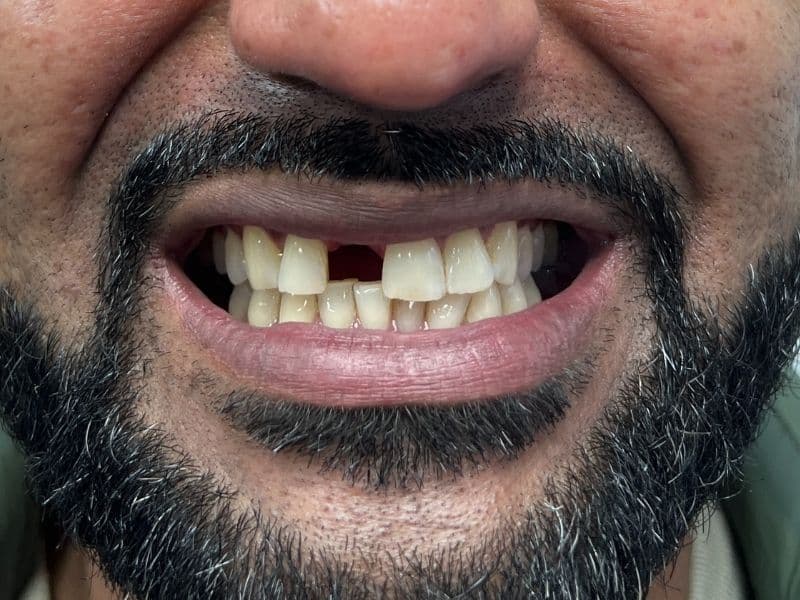 after
afterBefore and after single tooth implant to replace one missing tooth.
Our Practices
Four welcoming practices serving patients in London, the Midlands and the south coast.
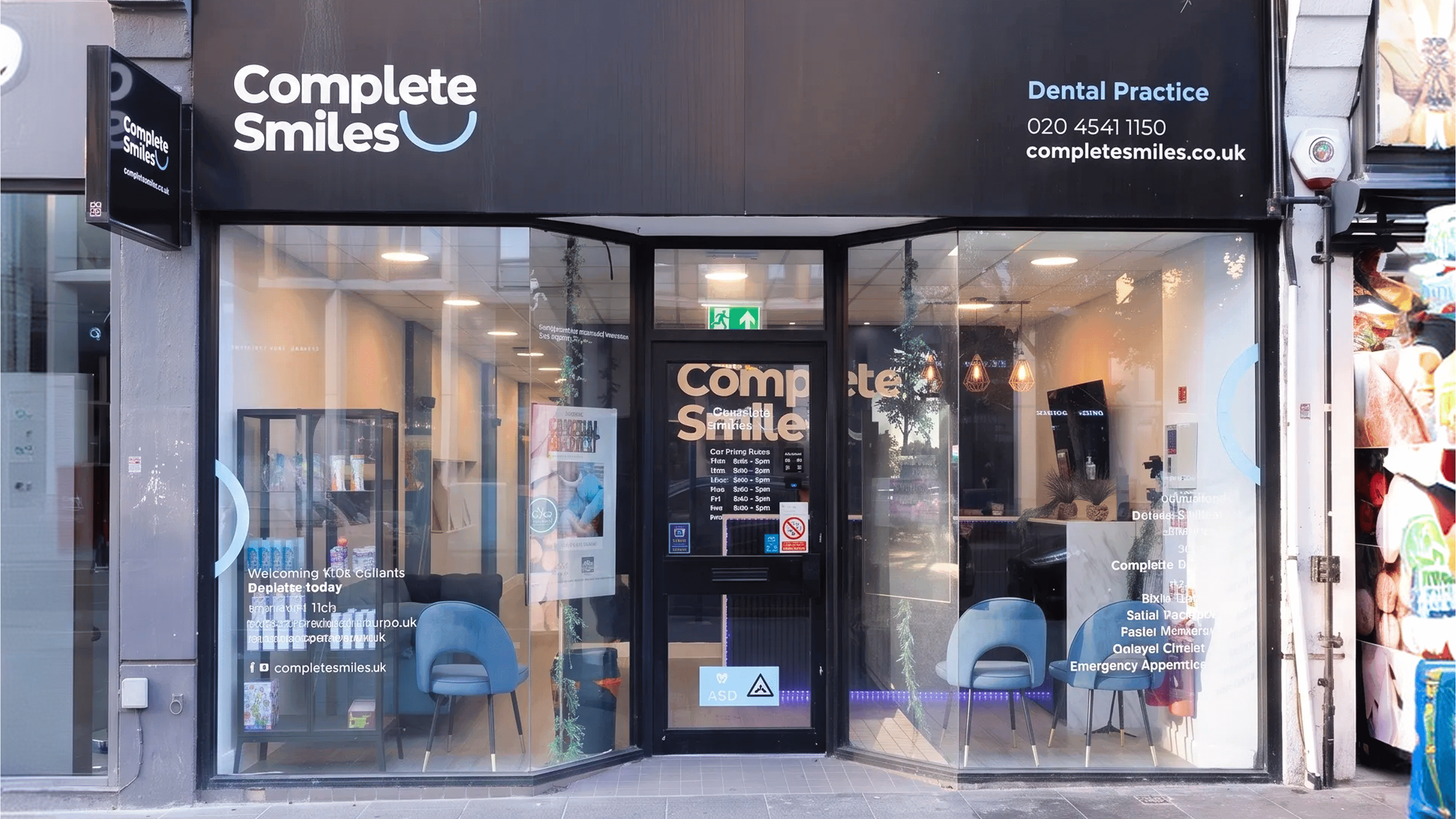
Our flagship practice in the heart of Harrow, offering a complete range of private dental care.
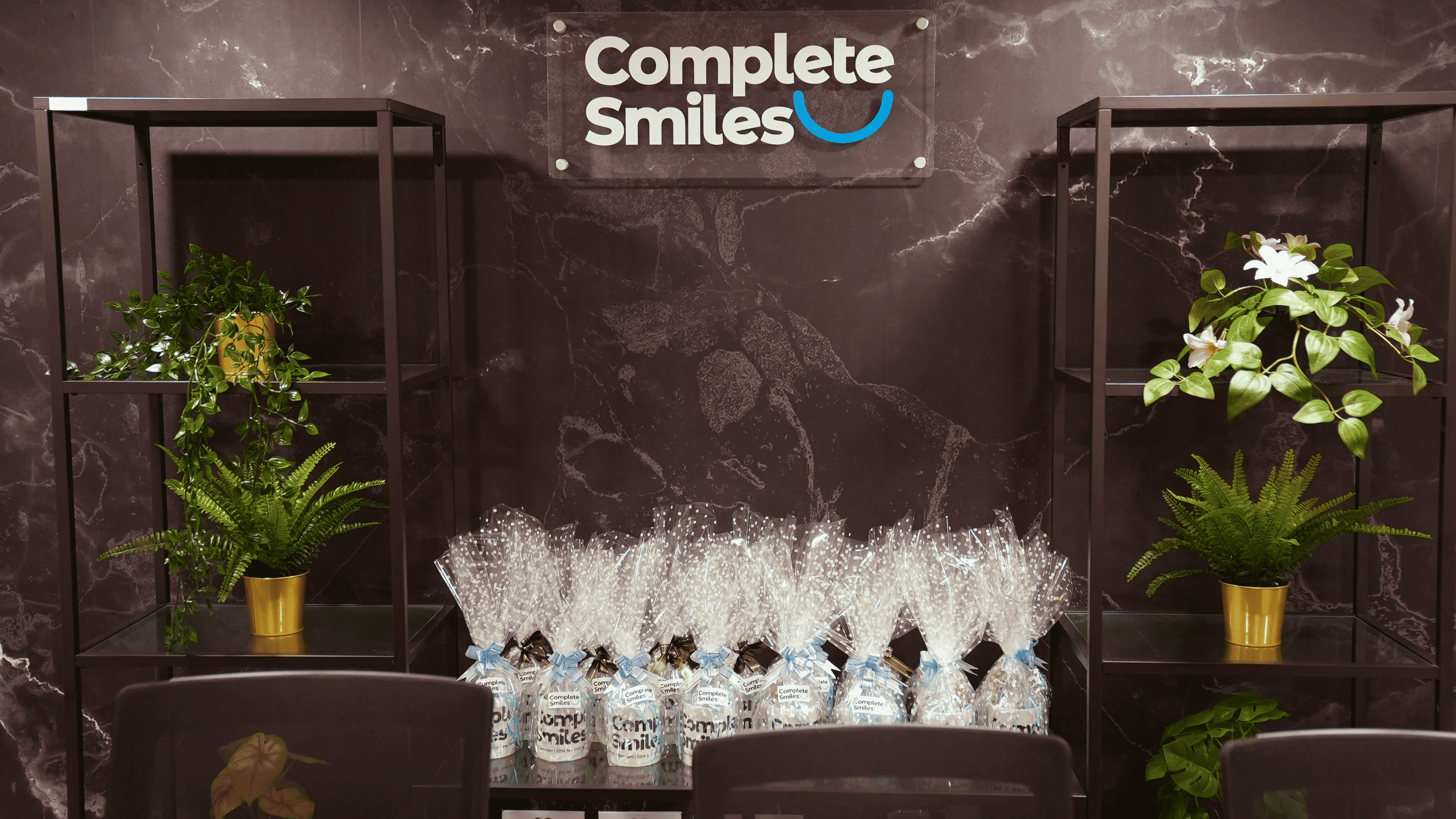
24/7 emergency dentist in Harrow for out-of-hours patients. Also popular for implants and cosmetic dentistry.
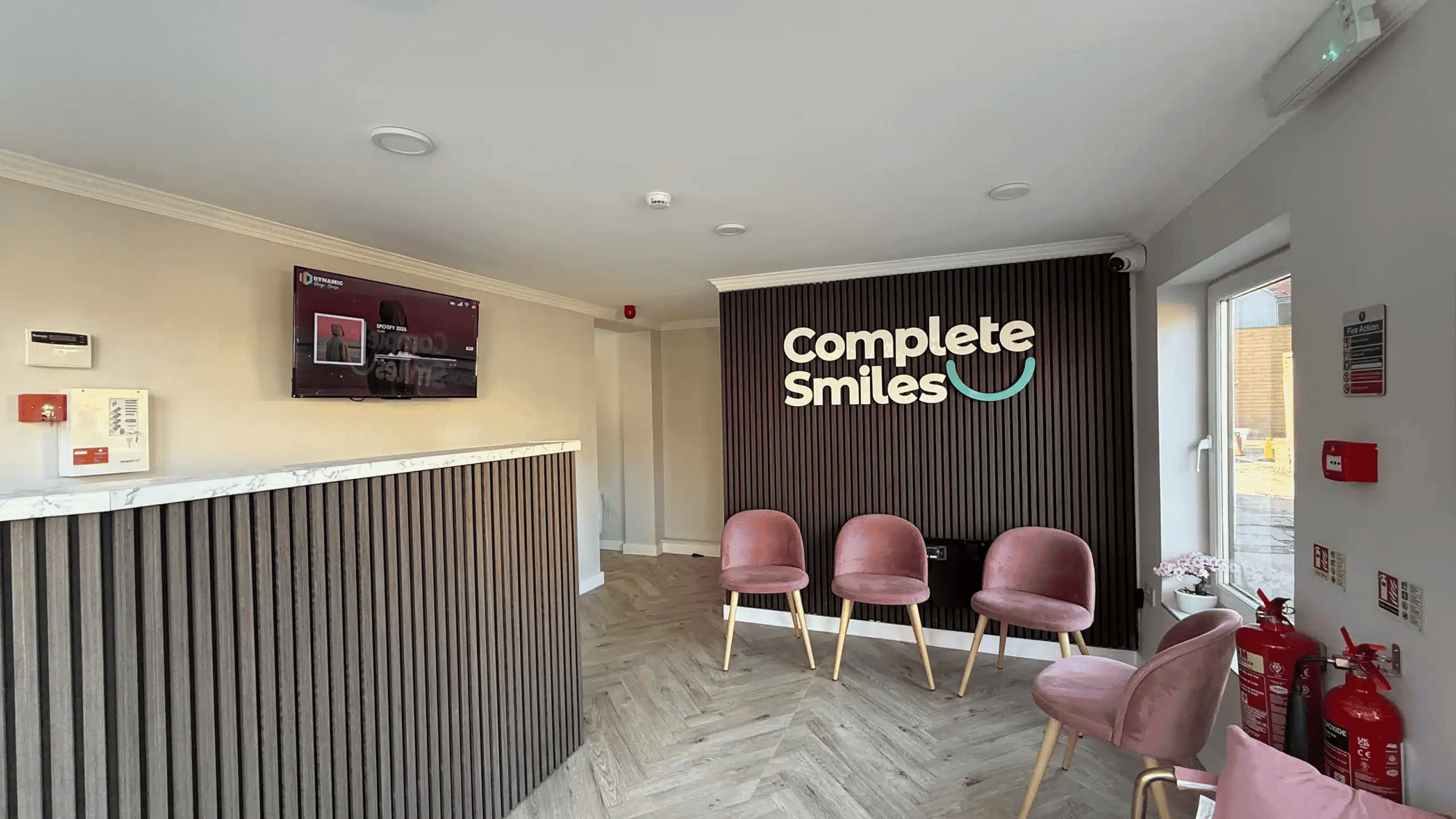
Modern, welcoming care for the local community — from check-ups to advanced restorative work.
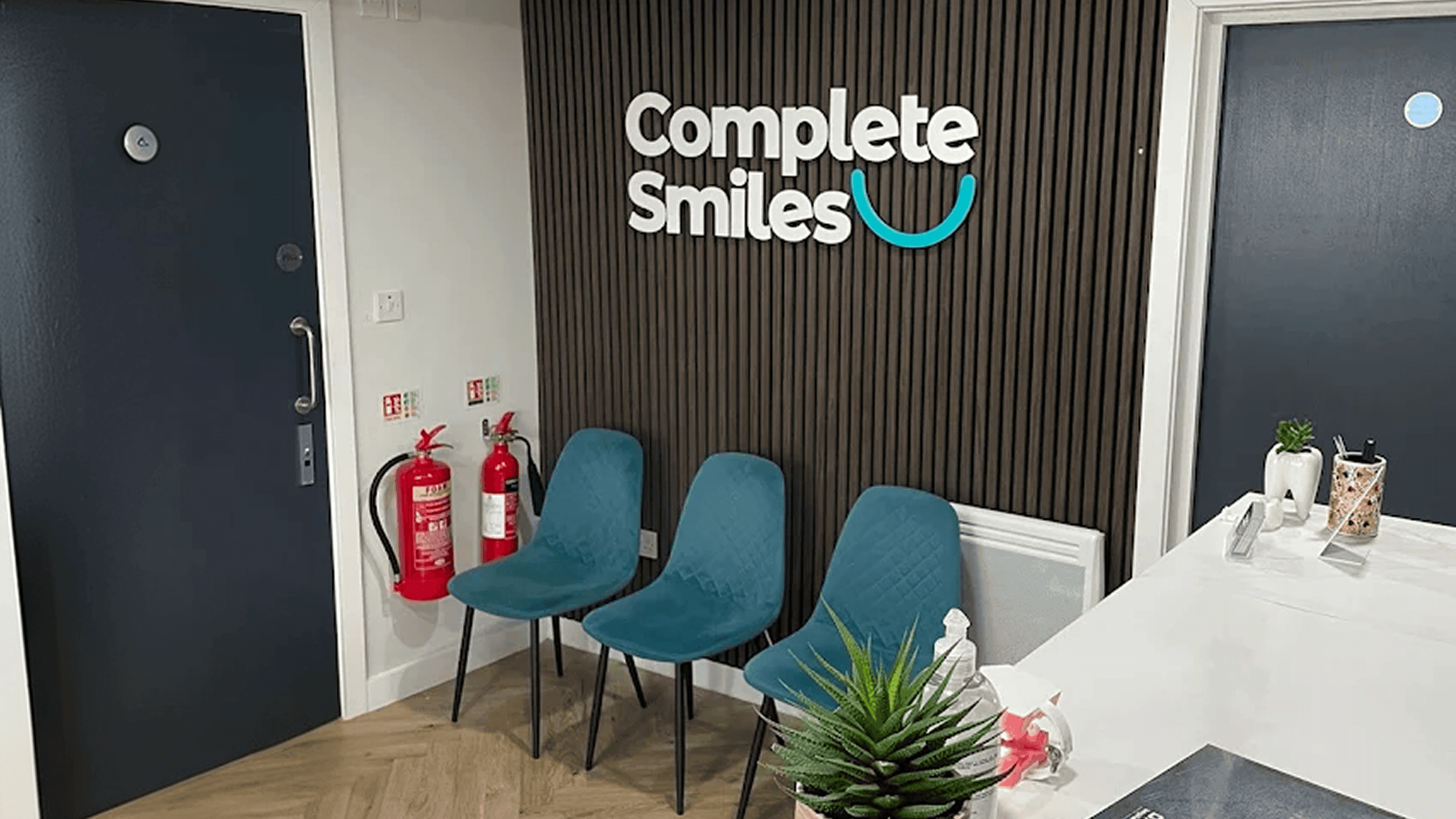
This south coast practice delivers Complete Smiles quality in Dorset, with modern facilities and a friendly team.
Patient Questions

You're under general anaesthetic or sedation for the whole thing, so there's no awareness of the procedure itself. A CT scan comes first, mapping out the cheekbone and whatever's left of the jaw. From there, the surgeon places longer implants at an angle, bypassing the weakened upper jaw bone and fixing them straight into the cheekbone. Two to three hours, roughly. Most patients walk out the same day with temporary teeth already fitted.
Not during the procedure, no, you're sedated or fully under. Afterwards is a different story: swelling and bruising for a couple of days, usually worst around the 48-hour mark. Ibuprofen or a short course of prescribed painkillers is normally enough. Severe pain isn't typical.
Technically, yes. In practice, it's rare, they're built to stay put permanently once healed. Removal tends to come up only when something's gone wrong: an infection, a failed integration, that kind of thing. Because the implant sits so deep in the cheekbone, taking it out is a bigger job than removing a standard implant, and it sometimes means rebuilding bone afterwards too.
Decades, potentially a lifetime, provided you keep up with brushing, flossing and check-ups. No real difference from standard implants there. The data backs it up: five and ten-year studies put survival rates consistently above 95%.
Somewhere between 95% and 98%, depending which study you look at and how long patients were followed. Not bad, considering these are used for the bone-loss cases standard implants can't touch.
There's no single number here. It comes down to how many implants are needed, how complex the case is, and the surgeon's experience, since this isn't something every clinic can offer. Expect to pay more than standard implants because of that. A proper quote needs a consultation and imaging first.
Two to three weeks, roughly, before swelling and discomfort settle and normal activities resume. You won't go without teeth in the meantime either, the implants are loaded straight away, so a fixed temporary set goes in from day one. Full integration, the bone properly fusing to the implant, takes longer: three to six months before the permanent teeth are fitted.
Get in touch with us directly by phone, email or web form.
We use leading dental brands for implants, aligners, and cosmetic treatments trusted everywhere for their safety, precision, and durability.



Got More Questions?
Fill out our online enquiry form and a member of our team will respond within working hours.


with 900+ reviews
Book online, find your nearest practice, or contact the team if you are unsure where to start.
Leave your details and our team will help you choose the right next step.