Impacted Wisdom Teeth
Wisdom teeth that are stuck or growing at an angle often require surgical removal.

Oral Surgery and Tooth Extractions
Sometimes oral surgery is necessary to extract a tooth, treat gum disease, or prepare the mouth for other treatments. Our…
4.7 Google rating
900+ verified patient reviews
Location convenience
Choose form 4 clinics
Flexible financing
No-interest payment solutions on selected plans
Pain management
Sedation options available
Experienced dentists
Clinicians with advanced training
Support for nervous patients
Calm, pressure-free care
Emergency appointments
Urgent dental care available
Private Dentistry Awards
Finalist 2023 · 2024 · 2025
Health-focused consultations
Understand options before deciding
Suitability first
Oral surgery isn't always the first option, but the necessary and best way forward in some cases.
Wisdom teeth that are stuck or growing at an angle often require surgical removal.
Failing teeth that are broken or decayed beyond repair may need to be extracted.
Removing a tooth can create space before orthodontic treatment.
When infection won't clear, taking out the affected tooth may be the safest route.
Extractions, sinus and bone work often come first to lay the groundwork for implants.
Surgery is necessary to treat certain structural problems so your mouth looks and works normally.
The treatment journey
The steps involved may vary between various procedures, but aftercare is always included.
Before anything's decided, we take a proper look at the area, often with digital scans, to understand exactly what's going on beneath the surface.
We'll walk you through the procedure, go over your anaesthetic or sedation options, and be upfront about costs and recovery time.
On the day, we make sure the area's fully numb first. Feeling anxious? Sedation's there to keep you calm throughout.
Whether it's a straightforward extraction or something more involved like an impacted wisdom tooth, we work precisely to protect the surrounding bone and tissue.
How you heal is what counts. You'll get clear guidance on managing swelling and pain, plus a follow-up to check things are settling.
Clinician trust
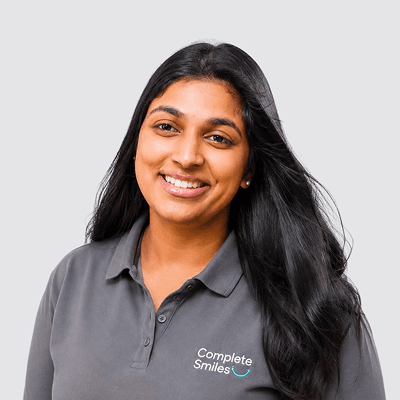
Our principal dentist and co-founder is Dr Dr Malavi Sivakanesan, who practises in Harrow and oversees the clinical teams in Bournemouth and Stafford. She holds a Master’s in Dentistry from Norway and brings extensive clinical experience to every patient appointment.
Full assessment of your suitability before any surgery is recommended
Independent digital imaging, even if you already have a diagnosis
Clear explanation of possible risks and side effects
Dentist
GDC 292322
Compare your options
Here's how the main tooth extraction types compare.
| Simple Tooth Extraction | Surgical Tooth Extraction | Wisdom Tooth Extraction | |
|---|---|---|---|
| Feature | Visible, fully erupted teeth | Broken, impacted, or below-gum teeth | Problematic or impacted wisdom teeth |
| Best For | Loosened and removed with forceps | Small incision to access the tooth | Simple or surgical, depending on position |
| How It's Done | Local anaesthetic | Local anaesthetic, sometimes with sedation | Local anaesthetic, often with sedation |
| Anaesthetic | A few days | Around a week or more | Several days to a week |
| Recovery |
Not sure what you need? The team will advise at your appointment.
Ask the teamTreatment fees
Fees are confirmed at your appointment before treatment begins.
Fees are confirmed before treatment. Finance is available for surgical procedures.
Ask the teamAll cost estimates are provided in accordance with GDC clinical standards. Financing is arranged through FCA-authorised third-party credit providers.


Proven Outcomes
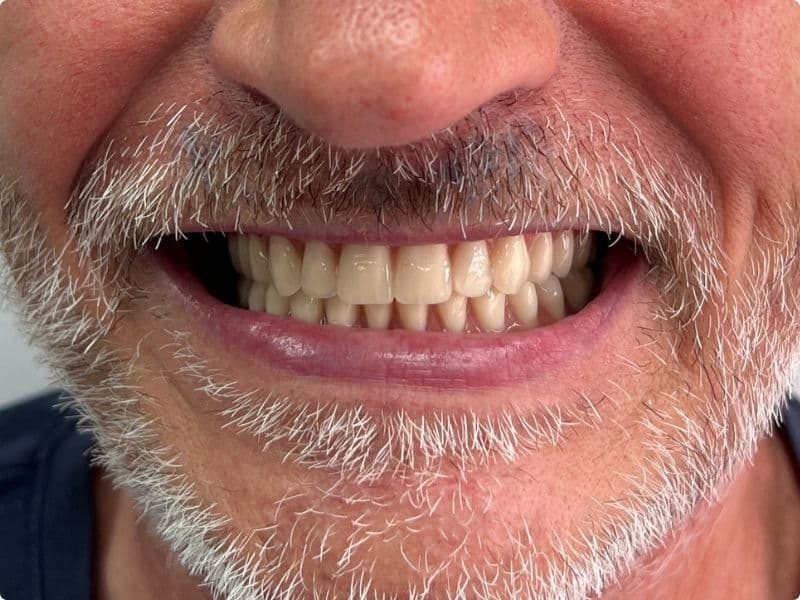
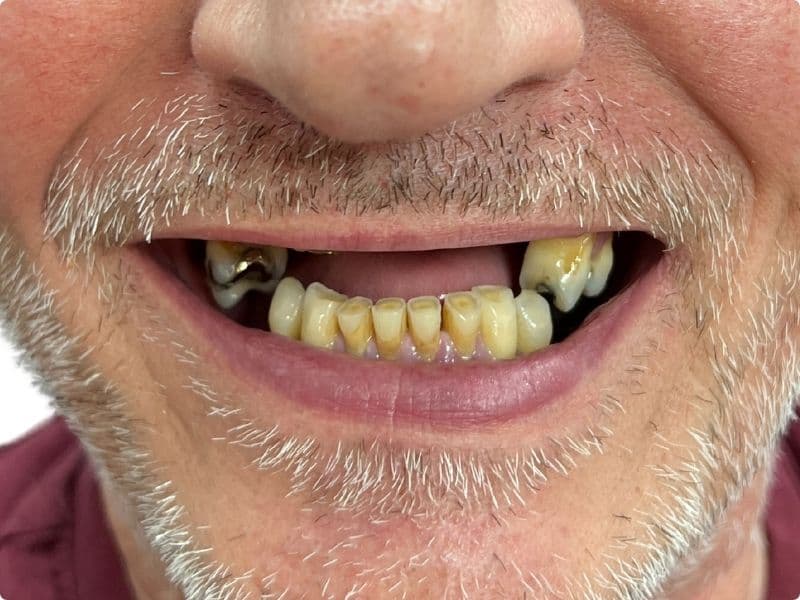
Our patients share how implants, aligners, cosmetic treatments, and more helped them achieve stunning smiles and regain confidence.
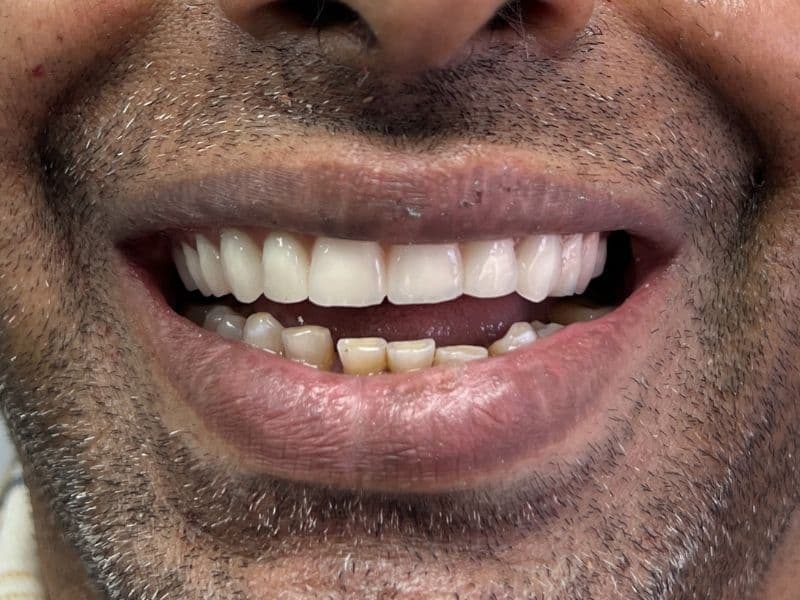
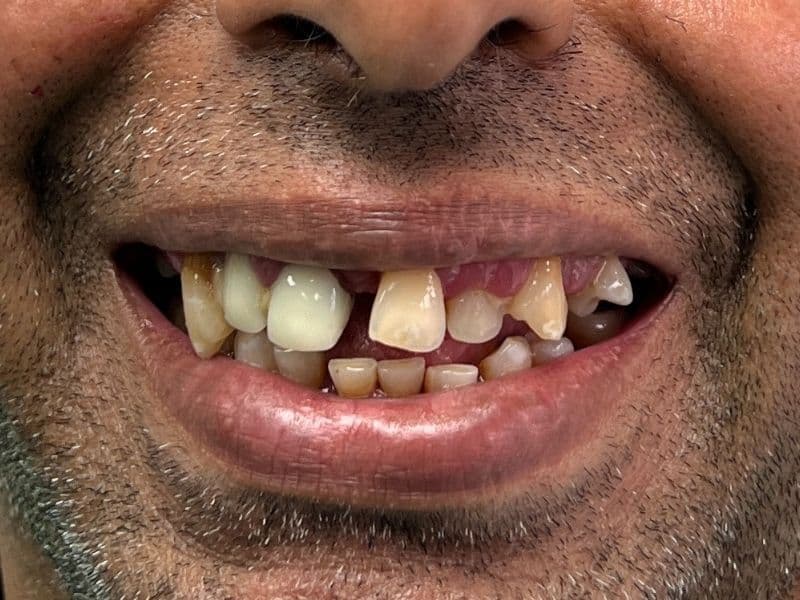
 after
afterBefore and after smile restoration with All-on-4 implants.
 after
afterBefore and after All-on-4 single (upper) arch treatment.
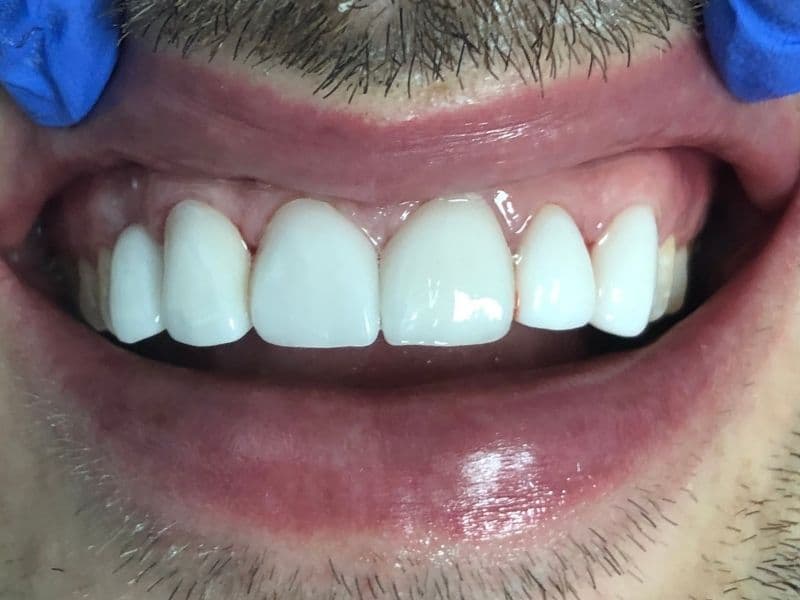
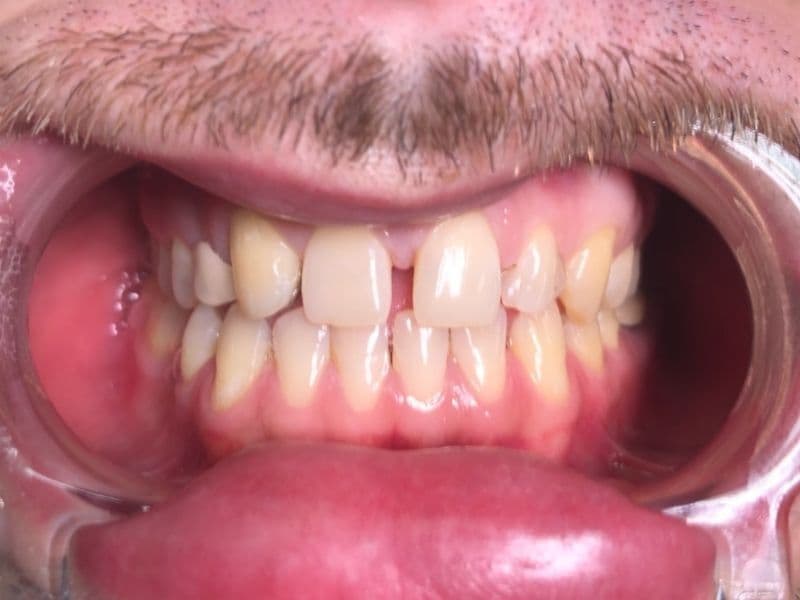 after
afterBefore and after improving the appearance of teeth with composite bonding.
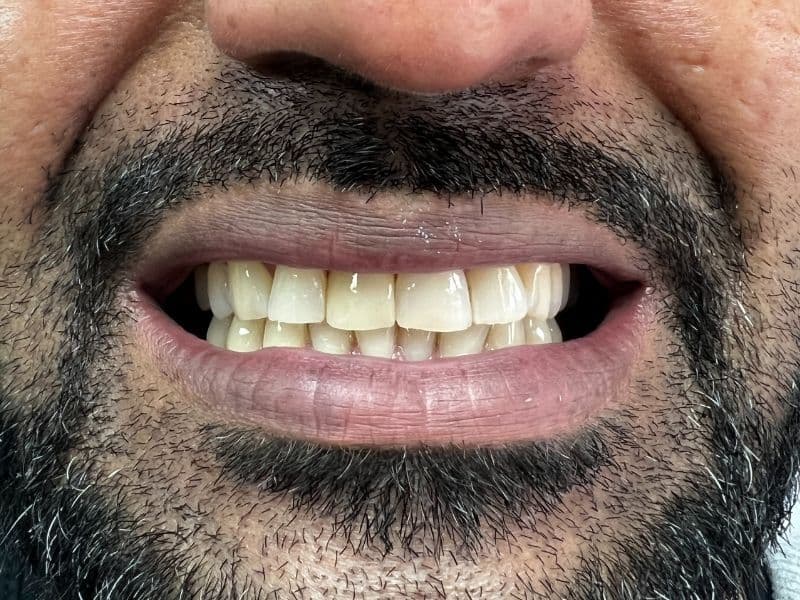
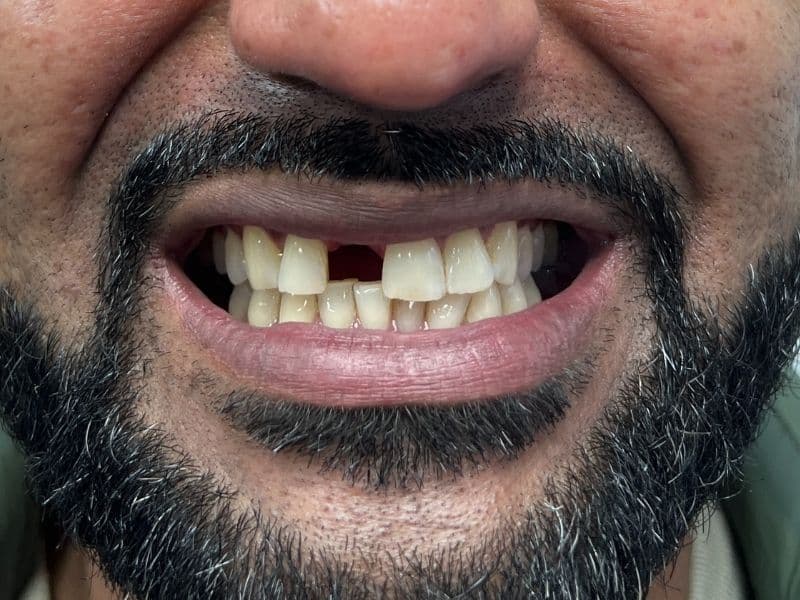 after
afterBefore and after single tooth implant to replace one missing tooth.
Our Practices
Four welcoming practices serving patients in London, the Midlands and the south coast.
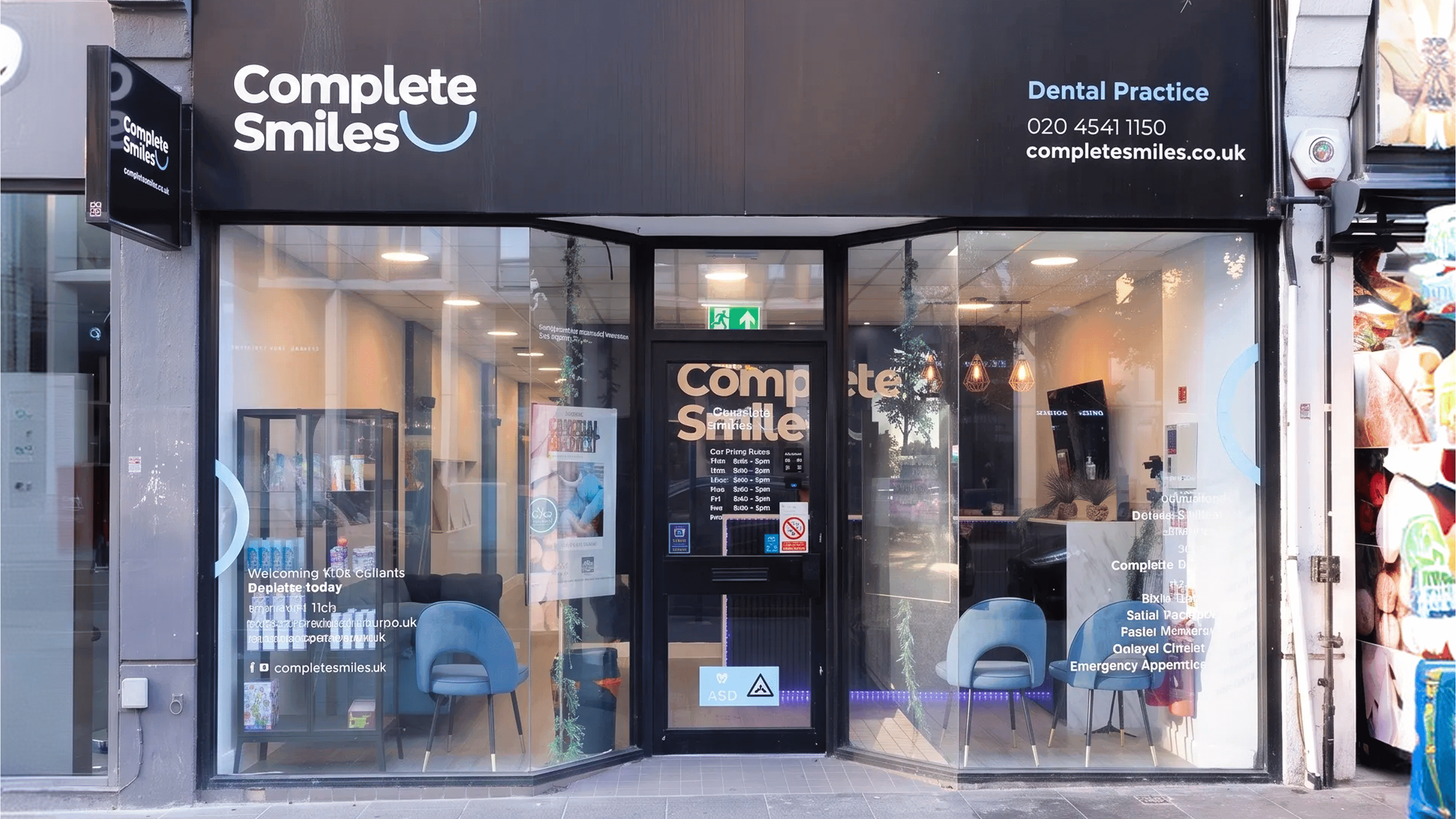
Our flagship practice in the heart of Harrow, offering a complete range of private dental care.
24/7 emergency dentist in Harrow for out-of-hours patients. Also popular for implants and cosmetic dentistry.
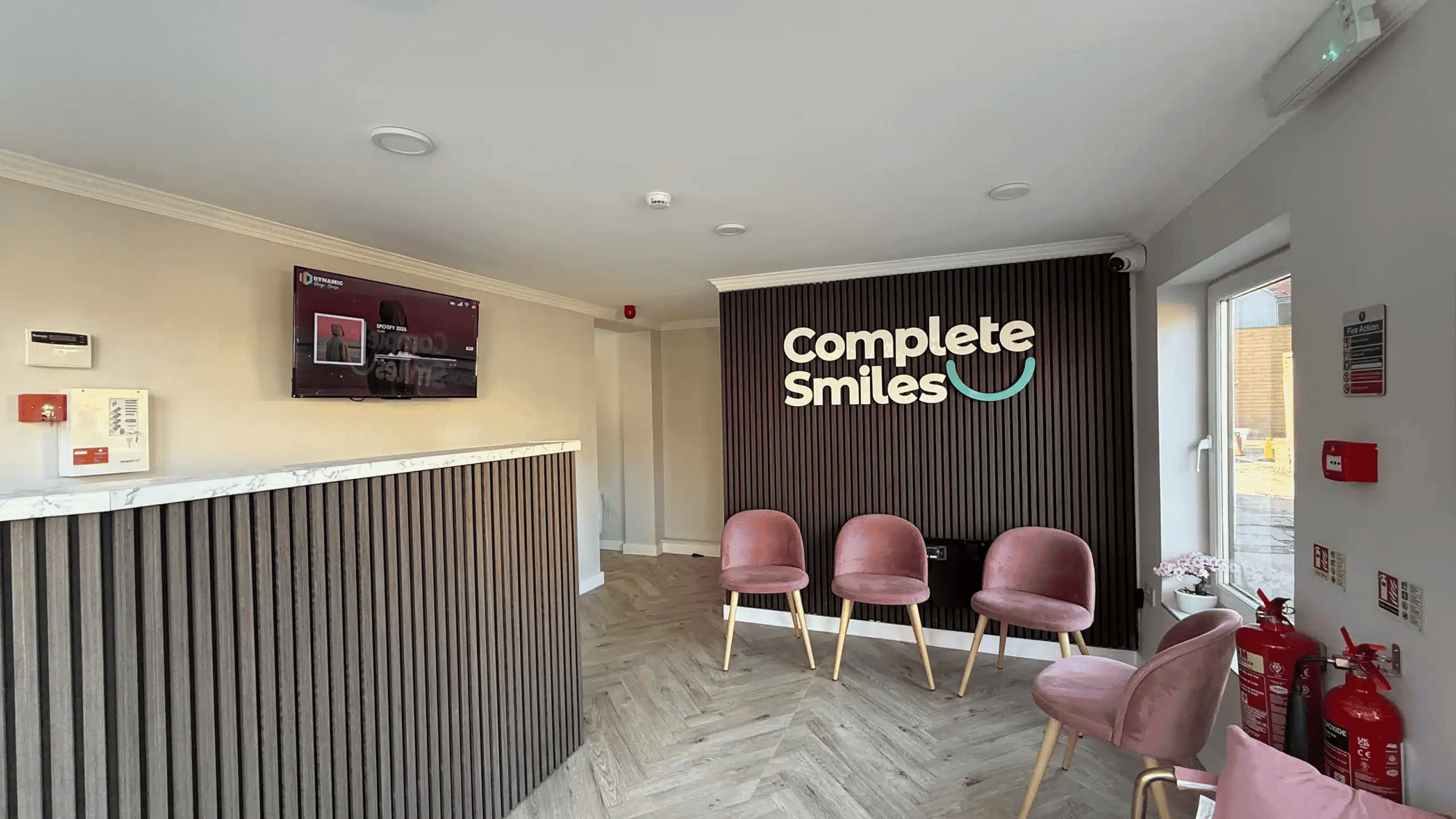
Modern, welcoming care for the local community — from check-ups to advanced restorative work.
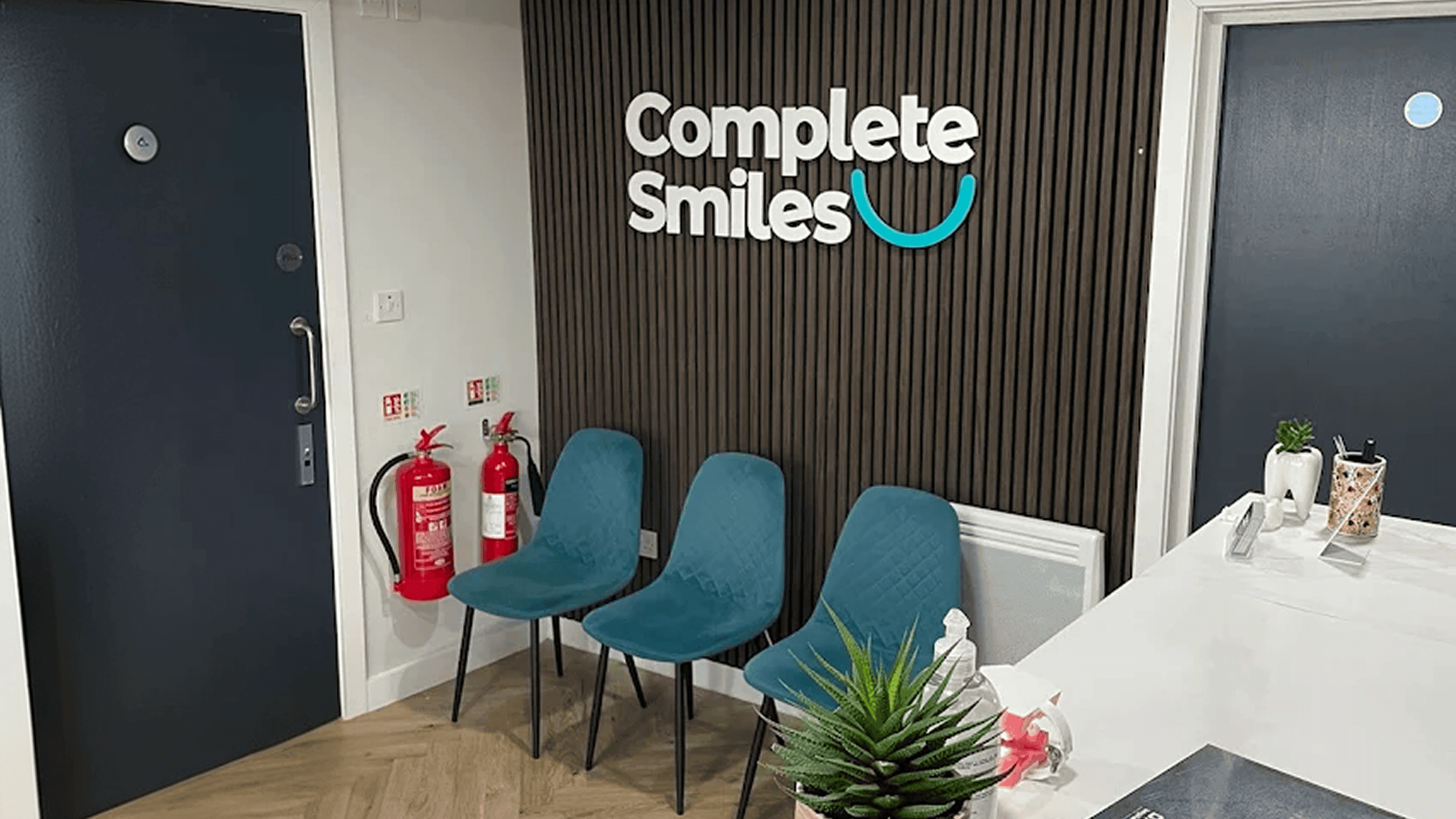
This south coast practice delivers Complete Smiles quality in Dorset, with modern facilities and a friendly team.
Patient questions

For a simple extraction, you're usually feeling like yourself again in three to seven days. Wisdom teeth and surgical ones take a bit more time. Think one to two weeks for those. The first day or two is the hardest, then it eases off from there.
The extraction itself shouldn't hurt. We numb the whole area first, so you'll feel some pressure but nothing sharp. It's normal to be a little sore for a few days once you're home. Regular painkillers are usually enough to keep you comfortable.
A simple extraction starts from £100. Surgical tooth extractions are from £300, and wisdom teeth from £350. We'll give you a clear price before anything goes ahead.
A bit of swelling is completely normal. It tends to peak the day after your surgery, then settles over the next five to seven days. Some people get a little bruising too. That can hang around for up to a couple of weeks before it fades.
Usually, yes. What matters most is that your blood sugar is well controlled. When it is, you'll heal much like anyone else. If it's running high, healing slows down and infections become more likely. So just mention your diabetes when you come in, and we'll plan around it.
Soft foods are the way to go for the first few days. Soup, yoghurt, mashed potato, that kind of thing. Give hot food a miss while your mouth's still numb. Hard or crunchy stuff is best avoided too. If you can, chew on the side you didn't have treated.
Get in touch with us directly by phone, email or web form.
We use leading dental brands for implants, aligners, and cosmetic treatments trusted everywhere for their safety, precision, and durability.


Got More Questions?
Fill out our online enquiry form and a member of our team will respond within working hours.


with 900+ reviews
Book online, find your nearest practice, or contact the team if you are unsure where to start.
Leave your details and our team will help you choose the right next step.