March 3, 2025
Dental plaque is a common problem that everyone has to face at least once in their lives. You may notice plaque sticking to your teeth when you wake up in the morning. But do you really know what plaque on teeth is and how it forms? In this guide, we'll cover everything you need to know about dental plaque, including its causes, effects, and prevention tips. By understanding these details, you will be able to maintain good oral hygiene and keep your smile healthy and bright.
What is Oral Plaque?
Plaque on teeth is a sticky biofilm that develops gradually on teeth and gums. You can feel it as a fuzzy film on your teeth when you wake up or skip brushing.
This tacky layer is made up of bacteria, food particles, and saliva proteins. Plaque builds on your teeth every single day. It's white-ish in colour, so it's hard to spot on teeth. However, it can look pale yellow along the gumline.
When you don't brush your teeth every day, plaque can accumulate and harden into calculus. This hard plaque is a major risk factor for a multitude of oral health problems, including tooth decay, bad breath, and, more seriously, gum disease.
Plaque is the main reason why dentists recommend daily brushing and flossing. You can consider in-clinic treatments like air flow teeth cleaning & polishing for optimal oral health.
What are the Main Causes of Dental Plaque?
- Bacteria in the mouth. This is what causes the sticky layer we call plaque.
- Sugary and starchy foods. Bacteria feed on these and produce acids that exacerbate plaque buildup.
- Poor oral hygiene. Brushing is necessary to remove plaque. If you don't brush and floss, the plaque only keeps building up.
- Dry mouth (low saliva). Saliva neutralises the acids produced by bacteria in the mouth and washes away food particles. These reduce how much plaque accumulates between teeth.
- Frequent snacking gives mouth bacteria fuel to keep producing plaque.
- Smoking and tobacco use. These harmful habits increase plaque buildup.
- Dental appliances like braces, dentures, and aligners can trap plaque if not properly cleaned.
- Mouth breathing can cause the mouth to dry out, reducing saliva production and increasing the risk of plaque.
What does Plaque Look Like?
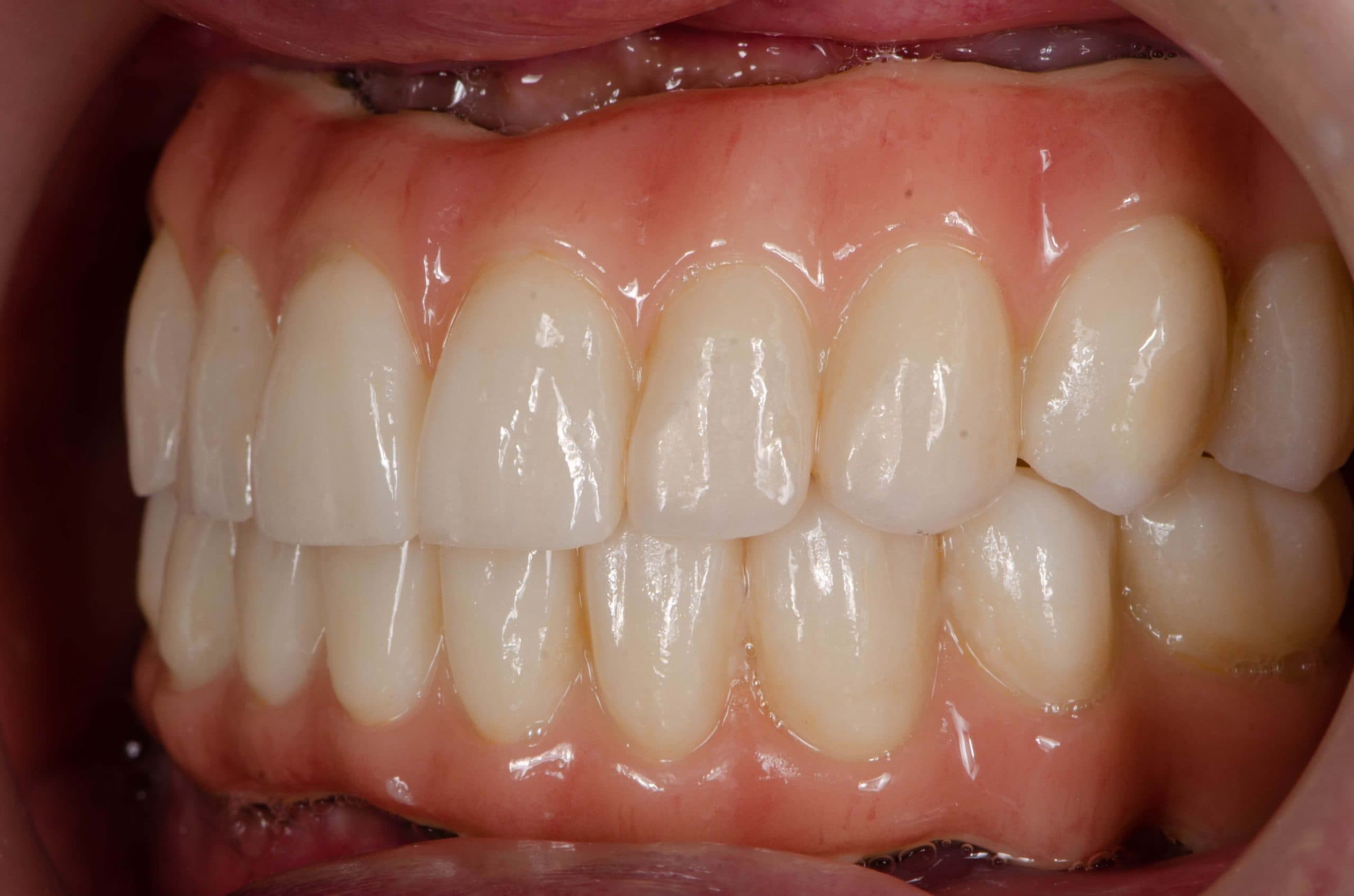
Dental plaque does not look obvious. It usually appears as a pale and tooth-coloured substance that attaches to your teeth and gums. Most people notice plaque in the morning before brushing. If there's a yellowish layer along your gumline, this could be tartar or calculus, the hardened forms of dental plaque.
Before you ask your dentist about the right dental hygiene practices, it is good to know whether your issues are caused by dental plaque or something else. This is how you can check for plaque accumulation in the mouth:
- If you notice a layer of whitish substance on your teeth, gums, and corners of the insides of your lips, this is plaque.
- Pay attention to how your teeth feel. Do they feel fuzzy, grimy, or sticky? This is most likely because of plaque.
- Check for sensations in the teeth that are not painful. It’s probably plaque.
- If you are suffering from continuing bad breath, plaque is a cause.
- Recurring cavities are largely caused by not removing plaque properly.
- Some people can also have hardened plaque with bleeding, swollen, and red gums, specifically when they floss or brush.
Is Plaque Bad for Teeth?
Dental plaque occurs naturally, but if it keeps building up, it can be bad for your teeth, gums, jaw, and even overall health.
Plaque on teeth not only feels unpleasant but can also affect your overall health. The bacteria in plaque produce acids that erode enamel and cause cavities. Plaque at the gumline triggers inflammation, leading to gingivitis and, if untreated, periodontitis. Research has also linked chronic gum disease — caused by persistent plaque — to increased risk of heart disease and diabetes. With proper dental hygiene practices, you can manage plaque and keep your risk of gum disease low.
- When you don’t remove plaque daily, in many cases, it leads to gingivitis, better known as gum disease. Gum disease, if not treated properly, can progress into a more severe form called periodontitis. Periodontitis causes a number of health complications, including tooth loss.
- Plaque is one of the biggest culprits for bad breath. You can end up with chronic bad breath if you don’t brush to remove plaque.
- Your teeth can look more yellow than white with plaque buildup. It will affect the brilliance of your smile.
Plaque on teeth not only feels unpleasant but can also affect your overall health. With proper dental hygiene practices, you can manage plaque and keep your risk of gum disease low.
How to Treat Dental Plaque?
Treating dental plaque is all about practising good oral hygiene to prevent accumulation. Daily brushing and flossing can slow plaque build-up and minimise new deposits. However, not all plaque can be removed at home. When it hardens into tartar or calculus, it cannot be brushed or flossed away and will require professional dental care.
Dentists can remove hardened plaque using techniques like airflow cleaning, scaling, and polishing. If you already have gum disease or gum pockets, a periodontologist (a dentist who specialises in gum care) will consider treatments like root planning to effectively remove plaque buildup from under the gumline.
The best approach? Combine dental clinic visits with good oral care at home. Visit a dental hygienist as often as your dentist recommends, ideally once a year.
How to Prevent Dental Plaque
Here are several simple steps you can take to prevent dental plaque buildup:
- Brush your teeth at least twice a day with a fluoridated toothpaste.
- Avoid snacking on sugar-filled foods, such as sweets and sodas.
- Floss after every meal.
- Eat healthy meals that contain calcium, a mineral vital for good enamel health.
- Use an antiseptic mouthwash as recommended by a dentist.
- Clean between your teeth using interdental brushes.
Get Rid of Plaque Buildup for Good with Complete Smiles
Treat plaque buildup and keep gum disease at bay with a Complete Smiles dentist. We have multidisciplinary clinics that can treat dental plaque at any stage of buildup.
Our dentists can perform general check-ups to assess how well your teeth and gums are doing, or our specialists can recommend tailored treatments for complex cases. Say goodbye to plaque-caused discoloration and get back your smile by calling Complete Smiles for a consultation.

Dr. Malavi Sivakanesan (292322)
Dr. Malavi Sivakanesan is the principal dentist and co-founder at Complete Smiles in Harrow, Greater London. She is responsible for establishing the Complete Smiles brand throughout the United Kingdom and Europe and has 5 successful practices under her strong leadership.