February 14, 2025
Hypodontia is a congenital condition in which one or more permanent teeth fail to develop from birth. It is one of the typical developmental disturbances encountered in both primary and permanent dentitions. The condition ranges from a single missing tooth to multiple missing teeth and it affects the function of the mouth as well as appearance.
Causes of Hypodontia
The causes of hypodontia are yet to be clearly explained, but it is believed that it’s been affected by genetic and environmental factors. Genetically, it has been pointed to possible mutations in genes involved in tooth formation. However, there are also external factors affecting the developing teeth. Let’s say, the use of certain medications or radiation during the development of teeth may also lead to hypodontia.
Hypodontia Associated Syndromes
Hypodontia can be an isolated condition or can occur in combination with other syndromes. The following associations support the importance of medical examination where hypodontia is diagnosed. Syndromes associated with hypodontia include:
- Ectodermal Dysplasia: A rare genetic disease that results in defective ectodermal tissues and affects their functions, leading to skin, hair, nails and teeth issues.
- Down Syndrome: A common genetic chromosomal disorder resulting from an extra chromosome 21 – characteristic of developmental delay and features dental anomalies such as hypodontia teeth.
- Cleft lip and palate: Birth disorders where there is division or split in the upper lip, hard and soft palate, and missing teeth.
Implications of Hypodontia
These are a few other problems and challenges associated with severe hypodontia:
- Functional Problems: When some teeth are missing, it may affect the ability to chew and speak.
- Aesthetic Concerns: Unaesthetic appearance due to gaps of missing teeth, also aesthetic problems may significantly lower one’s self-esteem.
- Orthodontic Problems: Loss of teeth may result in misalignment, hence malocclusion and temporomandibular joint disorders can occur.
Hypodontia Treatment Options
Treatment of hypodontia depends on the number of affected teeth, the position of the teeth and the patient’s age. Common treatments include:
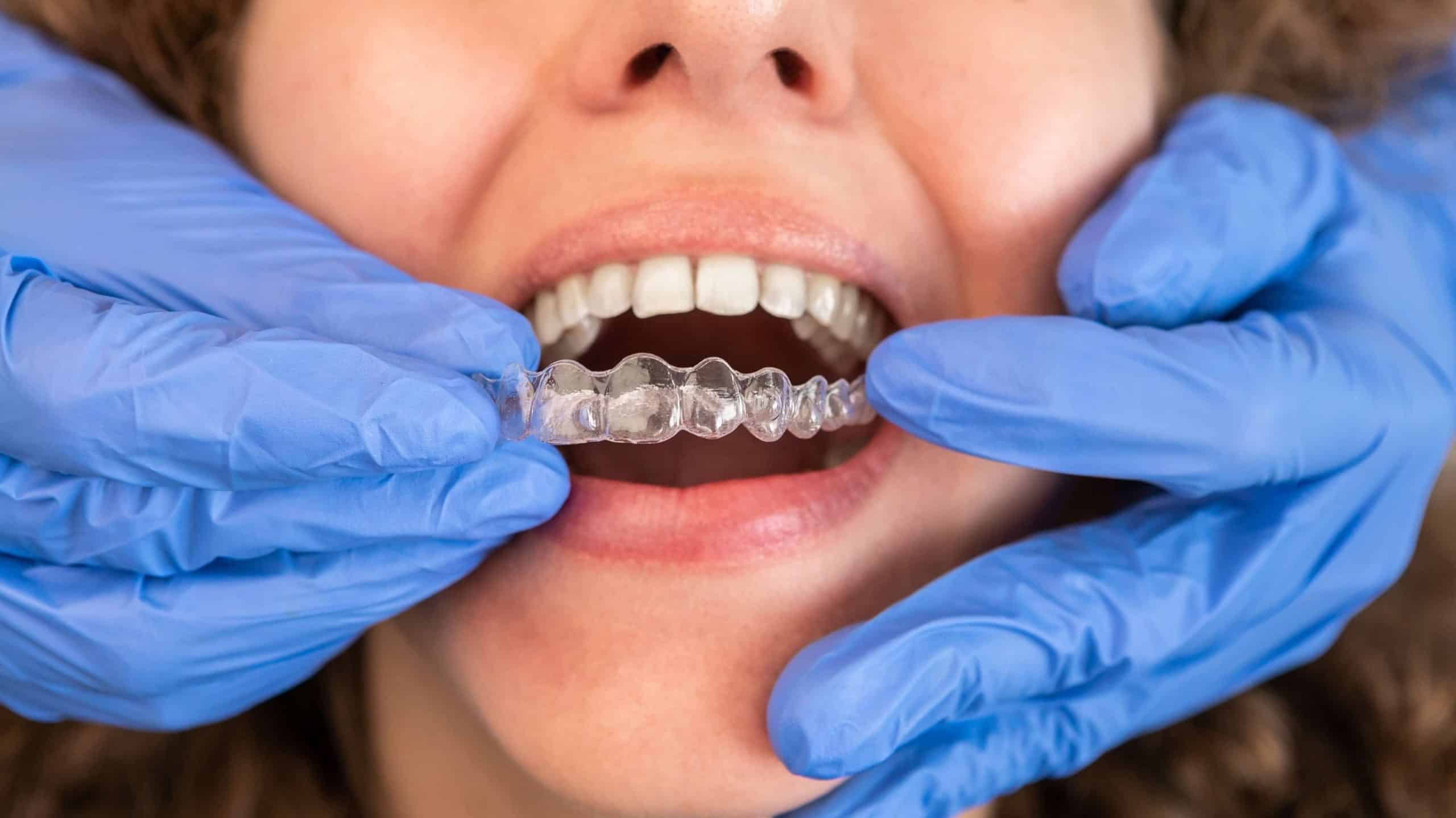
- Orthodontic treatment: Braces or clear aligners could be employed to adjust teeth gaps or to create space for prosthesis accommodation.
- Prosthetic Option: Possible dental treatment options are dental bridges, dentures or an implant where a missing tooth is replaced by an artificial crown.
- Dental Implants: The permanent dental procedure as the dentist will surgically place a titanium screw that will support a crown that resembles normal teeth.
- Dental Crowns Treatment: Crown is only prescribed when a tooth has malformed or twisted and is of lesser size, commonly in dental hypodontia.
- Dental Crowns Treatment: Crown is only prescribed when a tooth has malformed or twisted and is of lesser size, commonly in dental hypodontia.
Hypodontia cases require early diagnosis and treatment plans that may involve dentists, orthodontists, and oral surgeons.
Hypodontia Before and After Treatment
Before treatment:
- Larger gaps, rotated, or crooked teeth.
- Difficulty biting and chewing
- Speech issues due to missing teeth
- Aesthetic problems impair confidence.
After treatment:
- Improved chewing abilities using dental implants or prostheses
- Orthodontic treatment improves tooth alignment, speech intelligibility, and function.
- A confident grin, with restored dental beauty.
Conclusion
Hypodontia is a dental condition that has the potential to affect the mouth and may even affect the quality of life. Basic knowledge about its causes, associated syndromes, and available treatment methods can significantly help in addressing the issue earlier. Therefore, timely treatment and an individualised consultation increase the potential for functional and aesthetic dental recovery.

Dr. Malavi Sivakanesan (292322)
Dr. Malavi Sivakanesan is the principal dentist and co-founder at Complete Smiles in Harrow, Greater London. She is responsible for establishing the Complete Smiles brand throughout the United Kingdom and Europe and has 5 successful practices under her strong leadership.