February 6, 2025
A wisdom tooth is a molar. This is the largest set of teeth present in the last. In the entire set, molars or wisdom teeth are the last ones to grow. The normal age to get these teeth is between 17 years and 25 years. Like any other tooth, you can experience some issues in these teeth. Some of these issues include wisdom tooth abscess, decay, cavities, etc. In many cases, these teeth can also have stuck in or below the gums. When you get an infection in your wisdom tooth, you will need immediate treatments to eliminate the pain and further issues.
How Abscess Occurs in a Wisdom Tooth
A wisdom tooth can get infected due to improper cleaning. Since this area is easily missed out during flossing and brushing, bacteria and food items can easily get trapped here and cause issues. Besides, the need for preventative dental treatments can occur due to the following reasons for abscess:
- Your wisdom tooth can be impacted if it is not grown properly through the gums. Furthermore, your tooth can grow at a different angle and emerge partially, or completely sideways.
- Such teeth are prone to infections. Inappropriate angles or shapes of the teeth can increase the chances of decay. With cavity or infection, bacteria build-up will start occurring and they will create holes outside and a hard layer of enamel.
- When the condition is serious, the infection can also affect other teeth, the mouth, and even the head. Some bacteria include prevotella, streptococcus, aggregatibacter, fusobacterium, and so on. When this happens, you may need oral cancer screening
What is Abscess Disease Treatment?
If you have an infected wisdom tooth, you will be offered certain medications, repairs, and even surgical removal. However, the dental treatment is determined after examining the infected teeth through an x-ray. Detailed information about the same has been listed here:
- Medications: To clear the infection, you will need to take some antibiotics for a few days. This will not only heal the infection but prevent the bacterial spread. Some commonly suggested antibiotics include clindamycin, penicillin, etc. You will also be provided with some painkillers like ibuprofen to ease the pain.
- Repair: Once the infection is clean, you will need to visit your dentist. They will repair the tooth abscess. The dentist may also offer a crown or filling to fix the cavity. In some cases, tooth filing will also be done to remove bumpy and rough edges to make them even.
- Surgical removal: When the wisdom tooth is infected and damaged, the dentist will decide to remove it partly or completely. Dental surgery is used as a preventative dental abscess treatment to prevent infections. Gum tissues can also be removed so that your trapped wisdom tooth can grow. Through this, the jawbone, nerves, and roots will be protected.
What is Abscess Disease Treatment?
If you have an infected wisdom tooth, the treatment is determined after examining the infected area through an X-ray. Treatment options include:
- Antibiotics — prescribed to control the infection and prevent it from spreading. Often combined with other treatments.
- Incision and drainage — the dentist makes a small cut to drain the pus and relieve pressure.
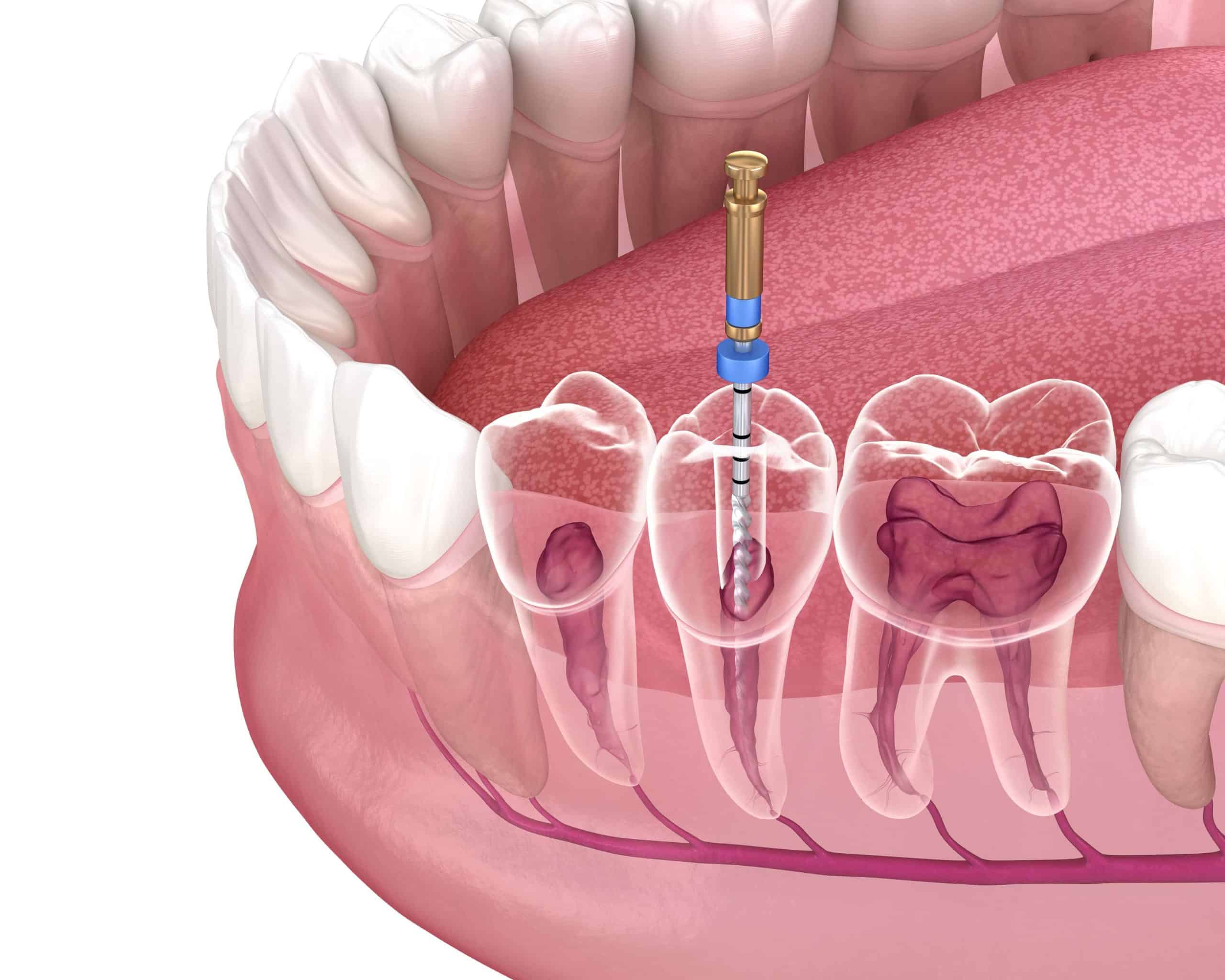
- Root canal treatment — used when the tooth can be saved; removes the infected pulp, cleans the canals, and seals the tooth.
- Surgical removal (extraction) — the most common treatment for abscessed wisdom teeth, particularly when the tooth is impacted or cannot be saved.
- Periodontal treatment — if the abscess is linked to gum disease, deep cleaning of the surrounding pockets is required.
How to Fix Abscess Behind Front Teeth at Home?
Although professional dental procedures are mandatory to treat abscess near wisdom tooth, you can prevent the infection with some home remedies. Here are some of them:
- Mouth rinsing with saltwater.
- Diluted hydrogen peroxide for cleaning the mouth.
- Using cold cloths or ice packs over the affected area from outside.
- Applying clove oil with cotton swabs.
- Numbing gels and painkillers to relieve toothache.
When to Contact a Dentist?
You will need to contact your dentist immediately or opt for oral cancer screening if you notice the following symptoms:
- Bad breath
- White fluid around teeth
- Bleeding or red gums
- Sensitivity or pain
- Swollen or tender gums
- Stiffness in the jaw
- Pain in the jaws
- Bad taste
- Swelling in the jaws
- Difficulty while speaking, eating, and even breathing
- Nausea, headache, chills, and fever
Conclusion
You cannot completely prevent abscess above tooth. Thus, you will need to visit your dentist regularly for a thorough oral check-up. This will rule out any oral complications including wisdom tooth abscesses. You can book your appointment at Complete Smiles to keep your smile healthy and beautiful.

Dr. Malavi Sivakanesan (292322)
Dr. Malavi Sivakanesan is the principal dentist and co-founder at Complete Smiles in Harrow, Greater London. She is responsible for establishing the Complete Smiles brand throughout the United Kingdom and Europe and has 5 successful practices under her strong leadership.