March 10, 2025
Several types of dental issues are there. Among all, gum recession is considered quite a common one. However, most people do not even know whether they have this condition because it progresses gradually. To know whether you have gum recession or not, you should check if you have tooth sensitivity or not. Additionally, the affected tooth will appear a little longer. In simple terms, the notch will be seen and felt near your gum line. Now the question is – what causes gum recession? To find out this along with treatment and preventions, read this post.
What is Gum Recession?
If you are wondering what happens when your gums recede, it typically creates a gap in the tissues of your gums that are surrounding the teeth. As a result, they will pull back and even wear away. This will make your tooth root or tooth even more visible. In this condition, margins or pockets will be formed between the gum line and teeth.
This makes it easier for bacteria or germs to accumulate there. When you do not treat it, you will have severely damaged bone structures and tissues supporting the tooth. In many cases, tooth loss can also occur. Thus, you must connect with your dentist for the right treatment, such as gum graft surgery to get it fixed immediately.
What Causes Gums to Recede?
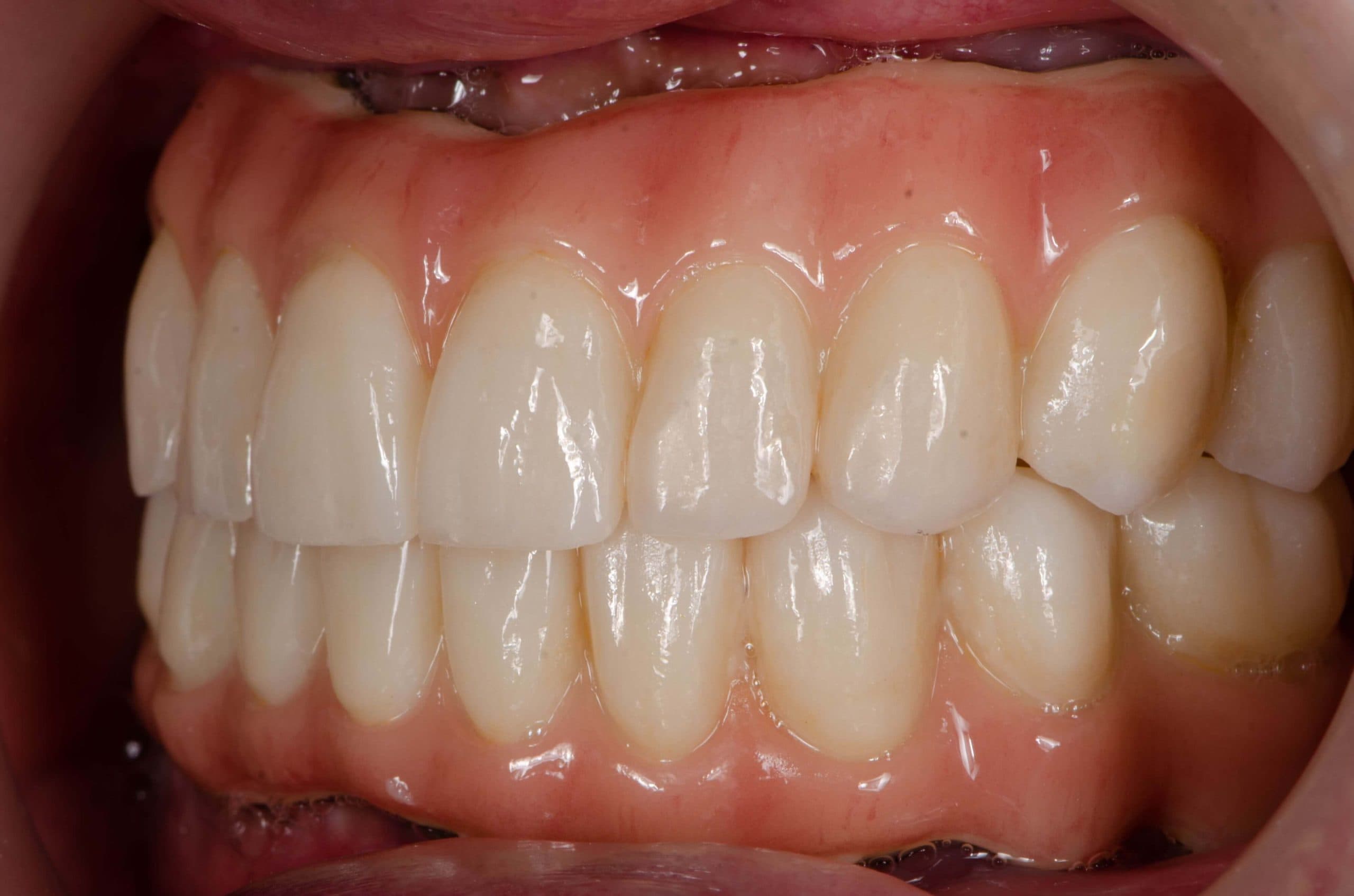
If you’re wondering what receding gums look like, they typically appear as gums that have pulled back from the teeth, exposing more of the tooth or even the root.
This can make teeth look longer than usual and may cause sensitivity, redness, or inflammation around the gum line. Several reasons can cause gum recession.
Some of them are discussed below:
- Gum diseases: Gum diseases such as periodontal diseases are the main reasons for gum recession. Since this bacterial infection destroys the tooth supporting bone and gum tissues, your gums will start receding when not treated in a timely manner.
- Genetic conditions: Some people are more prone to gum infections and diseases. People who have a family history of gum diseases are predisposed to the same.
- Aggressive brushing: Brushing your teeth is a good habit, but when you do it in a wrong way or push extra pressure on your teeth, it will damage the tooth enamel. When it happens, you will start experiencing gum recession.
- Improper dental care:To eliminate dental issues such as plaque and tartar, it is mandatory to brush, floss, and rinse your mouth with a fluoride and antibacterial paste and mouthwash. You will need to opt for preventive dentistry if you want to remove plaque and tartar and prevent gum recession. In cases where patients experience anxiety or discomfort during dental procedures, sedation dentistry can be a helpful option to ensure a stress-free treatment experience.
- Hormonal changes: Pregnancy, puberty, menopause, and several other reasons can cause fluctuations in a woman’s body and its hormones. This is why most women experience gum sensitivity and become more vulnerable to various dental issues, including gum recession.
In addition to this, some more factors that cause gum recession. This includes the consumption of tobacco products, sweet and sticky foods and beverages, clenching and grinding teeth, misaligned bites or crooked teeth, and more.
What can a Dentist do for Receding Gums?
Gum recession can be treated through the following:
- When the condition is mild, it can be fixed with a simple deep cleaning. During this, root canal treatment or tooth scaling may also be advised.
- To remove harmful bacterial infections, you will be provided with certain antibiotics. This will be followed by the deep cleaning process.
- When the loss is excessive and the gaps are too deep, you will need to go for gum graft surgery and other relevant solutions.
What to do when gums recede?
There are several ways to help you prevent receding gums. Some of them have been outlined here:
- Floss and brush at least twice a day.
- Use an antibacterial mouthwash to rinse the mouth after every meal.
- Always use a soft toothbrush with fluoride-based paste.
- Visit your dentist every 4-5 months for a routine dental check-up to rule out any gum disease, such as periodontal disease and others.
- Eat a healthy and balanced diet.
- Quit smoking and alcohol consumption.
- Avoid eating sticky and starchy foods.
- Keep track of your oral health.
Closure
Gum recession can be managed only if you get it treated in a timely manner. In severe cases, you may need gum graft surgery too. To learn more about this condition or get proper dental assistance, connect with Complete Smiles and maintain a beautiful smile forever.

Dr. Malavi Sivakanesan (292322)
Dr. Malavi Sivakanesan is the principal dentist and co-founder at Complete Smiles in Harrow, Greater London. She is responsible for establishing the Complete Smiles brand throughout the United Kingdom and Europe and has 5 successful practices under her strong leadership.