October 4, 2024
Veneers vs composite bonding: which one is the better dental treatment option? This has become an ongoing debate for years now as people discuss the best cosmetic dental treatment. The answer to this debate is that the truth lies somewhere in between. For some people, veneers may work terrifically, while for others, composite bonding seems to do the magic.
Therefore, this blog will decode both these options along with their pros and cons to help you find the best dental treatment for you. If you are after a broader comparison, our post on whether dental bonding is as good as veneers covers the same ground from a different angle. Let us begin!
What is Composite Bonding?
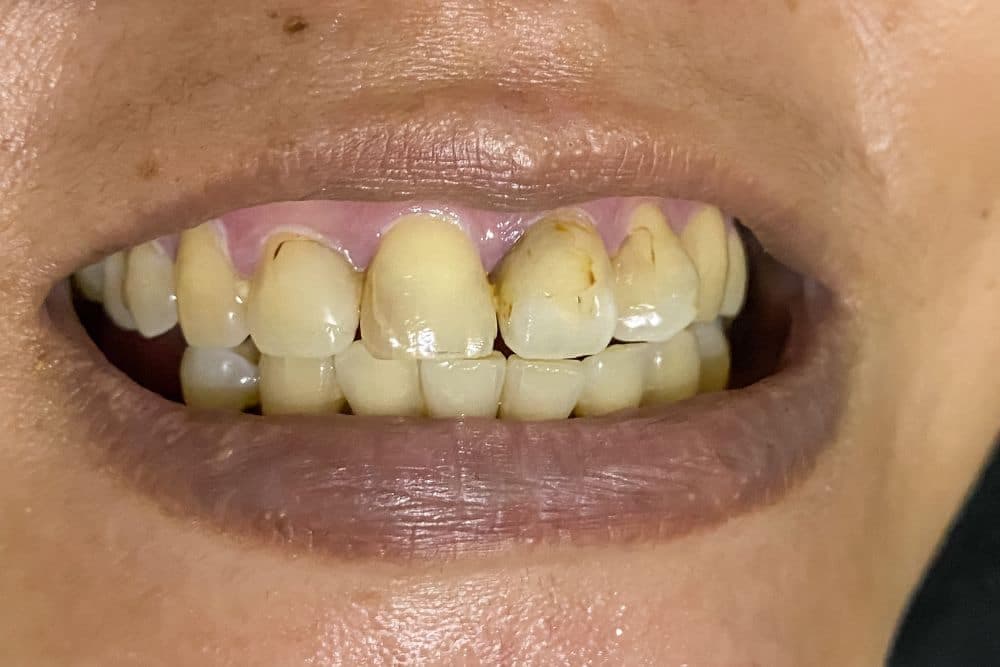
Composite bonding is a dental treatment in which the dentist prepares and restores the part of your teeth that is acutely decayed, misaligned, gapped, chipped, or discoloured. The dentist prepares a resin of an artificial material and applies it to your tooth. Later, a special curing light is used to harden the bond over the tooth and complete the treatment.
Composite bonding is a highly prominent cosmetic dental treatment, most famous for its short treatment time. Patients can have this treatment in a single visit in 1-2 hours — our guide to what composite bonding is explains each step.
Key Offerings
- Minimal invasion of tooth: Composite bonding involves very minimal to no invasion of the natural tooth’s structure. This invites many people to go through with this treatment.
- Swift treatment time: The composite bonding procedure is completed in 1-2 hours compared to the large amount of time required in other dental treatment plans.
- Versatility: One of the major benefits of composite bonding is its versatility in application for a range of dental ailments. The procedure can address various dental issues including decay, chips, gaps, and discolouration.
- Affordable pricing: Unlike several other dental treatment plans that are highly expensive, composite bonding is a much cheaper option with durable results. Compare treatments on our fees page.
What are Veneers?
Veneers are a cosmetic dental treatment option in which the dentist covers the entire front surface of your tooth using composite or porcelain resin. Veneers are similar to composite bonding and are used to treat different dental ailments like chipped teeth, misshapen teeth, gapped teeth, and more.
The major difference between the two is that in the case of veneers, the entire tooth surface is recreated using porcelain, while in composite bonding, only the gaps and the broken parts are filled without altering the tooth structure.
Key Offerings
- Higher stain resistance: Veneers made of porcelain have great stain resistance capabilities, and they tend to stain far less from coffee, tea, and other substances.
- Comprehensive coverage: Unlike composite bonding, which only targets specific parts of the tooth, veneers provide a complete restoration of the tooth surface.
- Better aesthetic appeal: Porcelain has a translucent nature, which allows your restored tooth to shine brighter and sharper. Hence, veneers offer an enhanced look compared to the composite bonding treatment — see the results in our smile gallery.
- Durability: Veneers offer high durability and can last up to 10-15 years with a proper oral routine and care. Our guide to veneer benefits, costs and results covers upkeep in detail.
Veneers vs Composite Bonding: A Side-by-Side Comparison
| Factor | Composite Bonding | Veneers |
|---|---|---|
| Treatment time | 1–2 hours, single visit | Two or more visits |
| Tooth preparation | Minimal to none | A small amount of enamel removed |
| Typical lifespan | Around 5–7 years | 10–15 years |
| Stain resistance | Lower — resin can absorb pigments | High — porcelain does not stain |
| Relative cost | More affordable | Higher upfront investment |
Veneers vs Composite Bonding: Who’s the Winner?
The choice between composite bonding and porcelain veneers is less about a winner and more about what suits your needs. Veneers offer long-term durability and a stunning aesthetic, while composite bonding is quick, affordable, and versatile. Weighing up the pros and cons of composite bonding alongside your budget will point you in the right direction.
Now, it is up to your current dental condition to tell you the truth. A smile makeover consultation is the quickest way to find out which suits you — get in touch with our team to book.

Dr. Malavi Sivakanesan (292322)
Dr. Malavi Sivakanesan is the principal dentist and co-founder at Complete Smiles in Harrow, Greater London. She is responsible for establishing the Complete Smiles brand throughout the United Kingdom and Europe and has 5 successful practices under her strong leadership.