November 2, 2023
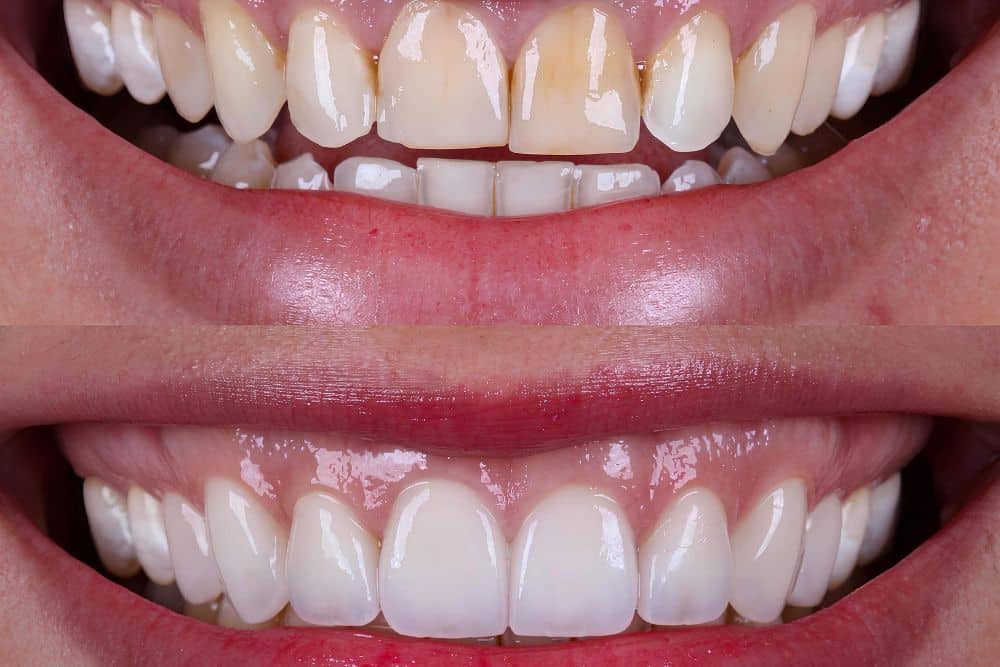
A bright, brilliant smile is a sign of excellent health and self-assurance. However, discoloured or stained teeth are a typical issue that many people face. Stained teeth, whether caused by lifestyle choices, heredity, or certain medical disorders, can have a substantial influence on self-esteem and overall oral health.
It could be a morning cup of coffee or a glass of wine at dinner. They contain tannins, which are responsible for their staining property. Dental stains can affect your self-esteem and make you want to cover your less-than-pearly-white teeth. Teeth stain for many reasons, including your food and drink choices, oral hygiene and medication use — our guide to the types of teeth stains breaks each one down.
Types of Staining
The discolouration is commonly referred to as a “stain” and may be temporary or permanent, with many different underlying reasons. Our post on what causes stains on teeth covers the triggers in more detail. There are three types of staining:
Extrinsic Stains
These stains appear on the surface of the tooth enamel and are often generated by external sources. Common culprits include:
- Diet: Foods and beverages containing pigments, like coffee, tea, red wine, and berries, can attach to the enamel and cause discolouration over time.
- Tobacco: Because of the nicotine and tar content, both smoking and chewing tobacco products can cause substantial tooth discolouration.
- Inadequate oral hygiene: Inadequate brushing and flossing can lead to plaque and tartar buildup, resulting in surface stains.
- Certain medications: Some drugs, such as antibiotics containing tetracycline, can induce intrinsic staining, especially in young children whose teeth are still growing.
Intrinsic Stains
These stains originate within the tooth structure itself and are often more difficult to remove. Among the causes are:
- Dental trauma: Teeth injuries can cause internal bleeding or nerve damage, resulting in discolouration.
- Fluorosis: Too much fluoride during tooth growth can cause discolouration, which frequently appears as white streaks or spots on the teeth.
- Genetics: Some people may be genetically predisposed to having teeth that are naturally darker in colour.
Age-Related Stains
The natural yellowing of teeth as we age is caused by the degradation of enamel, exposing the dentin beneath. Dentin has a darker colour than enamel and gives teeth a yellowish appearance — a process we cover in our guide to yellow teeth.
Consuming acidic foods and beverages, smoking, and poor dental hygiene all contribute to this process. It is important to practise good dental hygiene to reduce the appearance of age-related tooth discolouration.
Meaning of Different Stain Colours
The colour of tooth stains can sometimes reveal the cause.
- Yellow stains: Food and drink stains are typically created by their dark colour. It could also indicate that your oral hygiene needs to be improved.
- Brown stains: This stain is typically caused by smoking or chewing tobacco. If you have brown stains or little holes in your teeth, it is likely that you have untreated tooth decay.
- Purple stains: These are common in those who drink a lot of wine.
- Grey stains: This staining on the tooth indicates that the nerve inside the tooth has died, which might result from dental trauma.
- White stains: Dental fluorosis may be indicated by white particles on teeth. This indicates that you were exposed to a high dose of fluoride as a child, or that you have untreated dental decay.
- Black stains: Black spots on your teeth indicate severe decay.
How to Avoid Stained Teeth
While some reasons for stained teeth are beyond our control, we can make efforts to reduce their occurrence:
- Maintain good oral hygiene: Brushing at least twice a day, flossing daily, and using an antiseptic mouthwash can help reduce plaque accumulation and surface stains.
- Moderate stain-causing food: Limiting your consumption of highly pigmented meals and beverages can help reduce extrinsic stains. When indulging, use a straw to avoid contact with your teeth.
- Regular dental check-ups: Routine dental cleanings and check-ups are critical for removing surface stains and recognising any potential underlying concerns early.
- Avoid tobacco products: Quitting smoking and avoiding other tobacco products can dramatically enhance the appearance and condition of your teeth.
Treatment Options for Stained Teeth
Professional Teeth Whitening
Professional teeth whitening is a safe and efficient method of lightening the colour of your teeth. It can be done in the dentist’s office or at home with custom-made trays and professional-grade whitening gel.
Air Flow Teeth Cleaning & Polishing
This hygiene treatment removes basic stains from the teeth, leaving them refreshed and brighter.
Dental Veneers
Made specifically to cover the front surface of teeth, veneers are thin shells composed of composite resin or porcelain.
Bonding
Composite bonding involves painting the teeth with a resin that matches the colour of the tooth, then polishing and moulding it to match the surrounding teeth.
Dental Crowns
A dental crown can be used to restore both the appearance and function of a fractured or severely discoloured tooth.
Conclusion
Tooth colour varies widely from person to person. Just because your teeth are a different colour than someone else’s doesn’t mean there’s something wrong. But if this discolouration bothers you or makes you feel self-conscious, schedule your appointment with the dentist and they can help you find ways to brighten your smile.
Stained teeth can be a source of anxiety, but there are effective treatments available thanks to the experience and modern technology given by Complete Smiles. We provide individualised treatments to restore a bright, confident smile, whether through expert teeth whitening, a full smile makeover, or specialised cleaning methods.

Dr. Malavi Sivakanesan (292322)
Dr. Malavi Sivakanesan is the principal dentist and co-founder at Complete Smiles in Harrow, Greater London. She is responsible for establishing the Complete Smiles brand throughout the United Kingdom and Europe and has 5 successful practices under her strong leadership.