
March 14, 2025
Have you ever found yourself wondering, 'Why does my mouth taste like metal no matter what I drink or eat?' If you have, then you are not alone. This experience is known as dysgeusia or taste disorder. It is a change in the perception of taste in your mouth. The condition is mostly harmless. However, it can be alarming if it persists for a longer duration of time.
Common Triggers of Metallic Taste in the Mouth
The unusual presence of a metallic taste in the mouth can be the result of multiple issues. Some of them are:
Trigger 1: Dental & Oral Health Issues
The most common culprit for taste disorders is generally your oral hygiene. Some common dental issues that can result in taste disorders are:
1. Gum Disease & Infections
Gingivitis is the early stage of gum disease, and it occurs when plaque buildup leads to gum inflammation. This can cause redness, swelling, and bleeding while brushing. As bacteria accumulate in your mouth, they can interfere with taste perception. This can lead to a lingering metallic sensation or even a blood-like taste in the mouth.
2. Tooth Fillings & Crowns
Dental fixtures like fillings or crowns may contain metals like silver, gold, or amalgam. These metals can interact with saliva and lead to an aluminium or copper taste in the mouth.
3. Dry Mouth (Xerostomia)
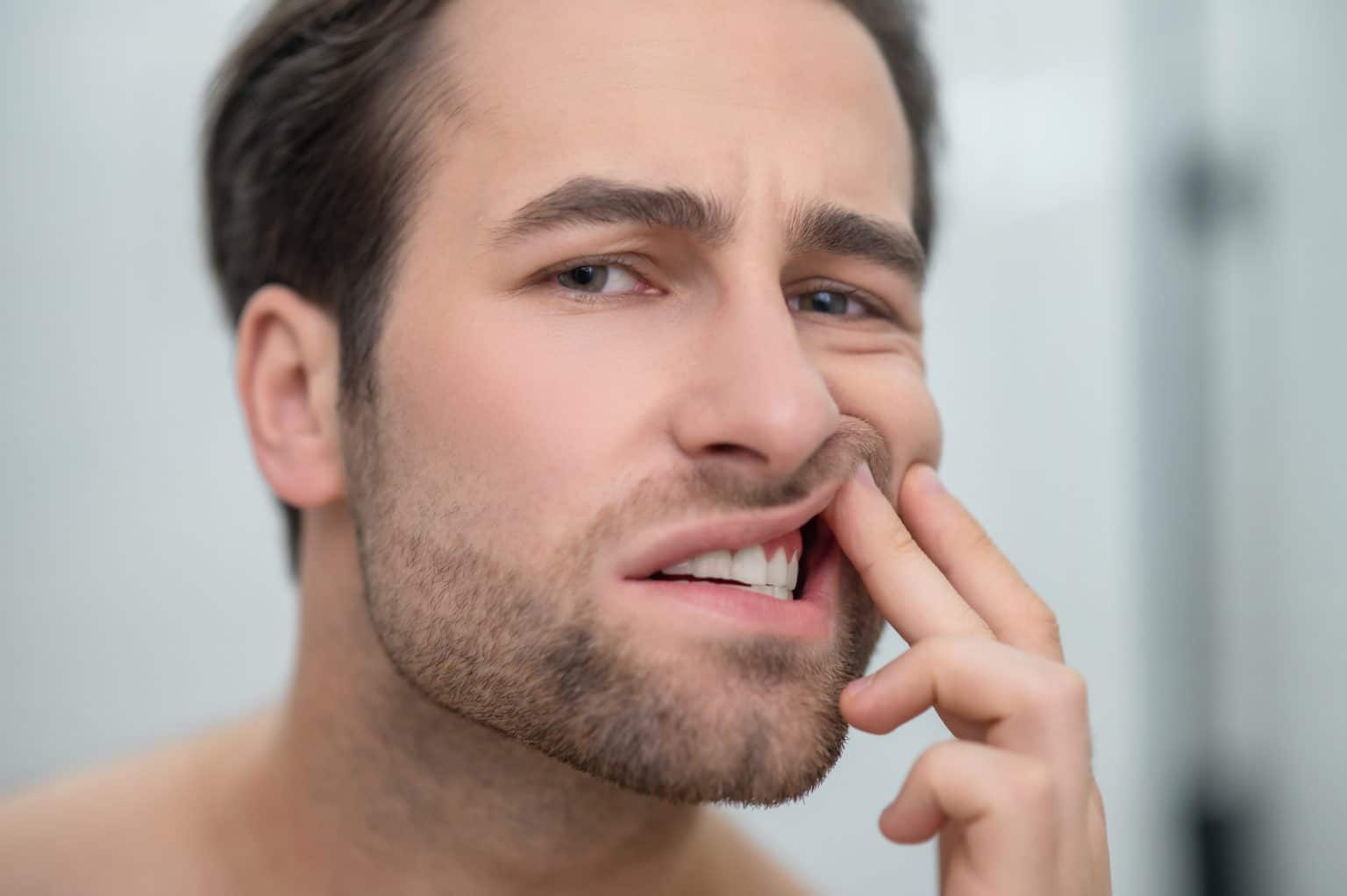
Dehydration, certain medications, and health conditions like diabetes are common causes of dry mouth. A dry mouth can lead to less production of saliva and result in altered taste perception, causing the mouth to taste like iron.
Trigger 2: Medical Conditions
Certain underlying medical conditions can also become the reason for a changed taste in your mouth. Some common health conditions include:
1. Sinus Infections & Respiratory Issues
Sinus infections and respiratory issues can cause a cough and metallic taste in the mouth. When you have a sinus infection, your body produces excess mucus, which can lead to postnasal drip.
This occurs when mucus from the sinuses drips down the back of your throat. It mostly carries bacteria or irritants that can alter your taste perception. As a result, you may experience a persistent metallic taste.
2. Kidney or Liver Disease
Disorders and health conditions related to the kidney and liver can result in the accumulation of toxins in your blood. These toxins can then cause a metallic or steel taste in the mouth.
3. Neurological Disorders
Neurological health conditions like Alzheimer's disease, Parkinson's disease, dementia, or multiple sclerosis can affect the way your brain processes taste signals. This can also lead to an altered or diminished sense of taste, causing a rust or aluminium taste in the mouth.
Trigger 3: Medications & Treatments
Some medications can leave an aftertaste in your mouth as your body absorbs them and causes taste disorders. Some of those medications are:
1. Antibiotics
Antibiotics such as metronidazole or metformin (used for the treatment of diabetes) can result in a metallic taste in the mouth as a side effect.
2. Chemotherapy & Radiation
Chemotherapy and radiation treatments target rapidly dividing cells, including cancer cells. But they can also affect healthy cells in the mouth, including taste buds and salivary glands. As a result, many patients undergoing chemotherapy or radiation therapy experience a metallic, bitter taste. In fact, research has shown that 20% of women with breast cancer who received chemotherapy after surgery experienced reduced taste.
3. Multivitamins & Supplements
Doses of multivitamins such as iron, zinc, calcium, or magnesium can also contribute to a strong metallic taste in the mouth. This happens because these minerals can overstimulate taste buds or affect nerve signals responsible for taste perception.
How to Manage and Prevent a Metallic Taste in the Mouth
The preventative methods for managing a sudden metallic taste in the mouth can depend on the underlying cause. Here are a few ways to reduce or temporarily eliminate the metallic taste:
- Improve Oral Hygiene: Brush and floss your teeth twice a day. Use antimicrobial mouthwash to prevent the growth of bacteria, and visit your dentist for regular dental check-ups.
- Stay Hydrated: Drinking plenty of water can help reduce the chance of dry mouth. You can also try chewing sugar-free gum to increase saliva production.
- Adjust Your Diet: Try foods that can mask the taste of metal, such as citrus fruit or sour foods. Use non-metallic utensils to avoid experiencing a metallic taste caused by reactive utensils or dishes.
- Review Medications & Supplements: Consider talking to your healthcare professional if certain prescribed medications are causing a strange taste in your mouth. You can ask for alternatives if the issue persists.
When to See a Dentist?
A metallic taste can be harmless and caused by several reasons, but a constant metallic taste in the mouth should not be left unaddressed. If you notice a taste disorder accompanied by other symptoms like dry mouth, bleeding gums, severe pain, or difficulty swallowing, visit a dentist as soon as possible. A dentist will help you find the root cause of the problem.
If you are looking for a place to start your dental care, Complete Smiles can be your one-stop for everything. They not only help you with your dental care but also deliver preventative dentistry care at affordable rates.

Dr. Malavi Sivakanesan (292322)
Dr. Malavi Sivakanesan is the principal dentist and co-founder at Complete Smiles in Harrow, Greater London. She is responsible for establishing the Complete Smiles brand throughout the United Kingdom and Europe and has 5 successful practices under her strong leadership.