
December 10, 2025
Most cases of bad breath occur because of poor oral hygiene. However, there are some instances where certain health conditions can cause bad breath, which is medically known as halitosis. Halitosis can be treated at home in the majority of instances. This article will explain reliable and safe home remedies for bad breath for those who might be too busy to book a dental hygiene treatment appointment.
At-Home Treatments You Can Try to Treat Bad Breath
1. Brush Your Teeth Twice a Day

The foundation of fresh breath is good oral hygiene. The easiest thing you can do to protect your teeth and keep your breath smelling nice is to brush as recommended by preventative dentistry professionals. Brushing at least two times a day helps remove food residue and plaque that harbours bacteria. Don’t forget to use a fluoride toothpaste to reduce odour-causing bacteria in the mouth.
2. Gently Brush Your Tongue
The National Health Service (the NHS) recommends (as do our dentists) brushing your tongue as well, which helps reduce dental plaque that can lead to gum disease and also helps prevent bad breath. You should ideally use a soft-bristle toothbrush on your tongue. Do not scrape roughly, as you could injure your tongue. Gently remove the debris you see or feel on your tongue, especially in the mornings.
3. Floss Daily

Learning to use dental floss is just as important as tooth brushing to keep your mouth clean and smelling fresh. Unlike toothbrushes, dental floss can reach areas between your teeth to remove food particles. It’s just an extra step to ensure that your mouth isn’t a petri dish for odour-causing bacteria. If you are unsure about how to floss, you can learn so during a routine preventative dentistry check-up.
4. Drink Plenty of Water
Dry mouth is a major cause of bad breath. Saliva helps your mouth cleanse itself and neutralise acids produced by bacteria, which causes bad breath. When you don’t drink enough water throughout the day, you could become dehydrated, and your mouth will produce less saliva. Bad breath becomes much worse with a dry mouth. Keep in mind to hydrate yourself with water, instead of sugary drinks, as sugar stimulates bacterial activity in the mouth.
5. Rinse Your Mouth with Salt Water
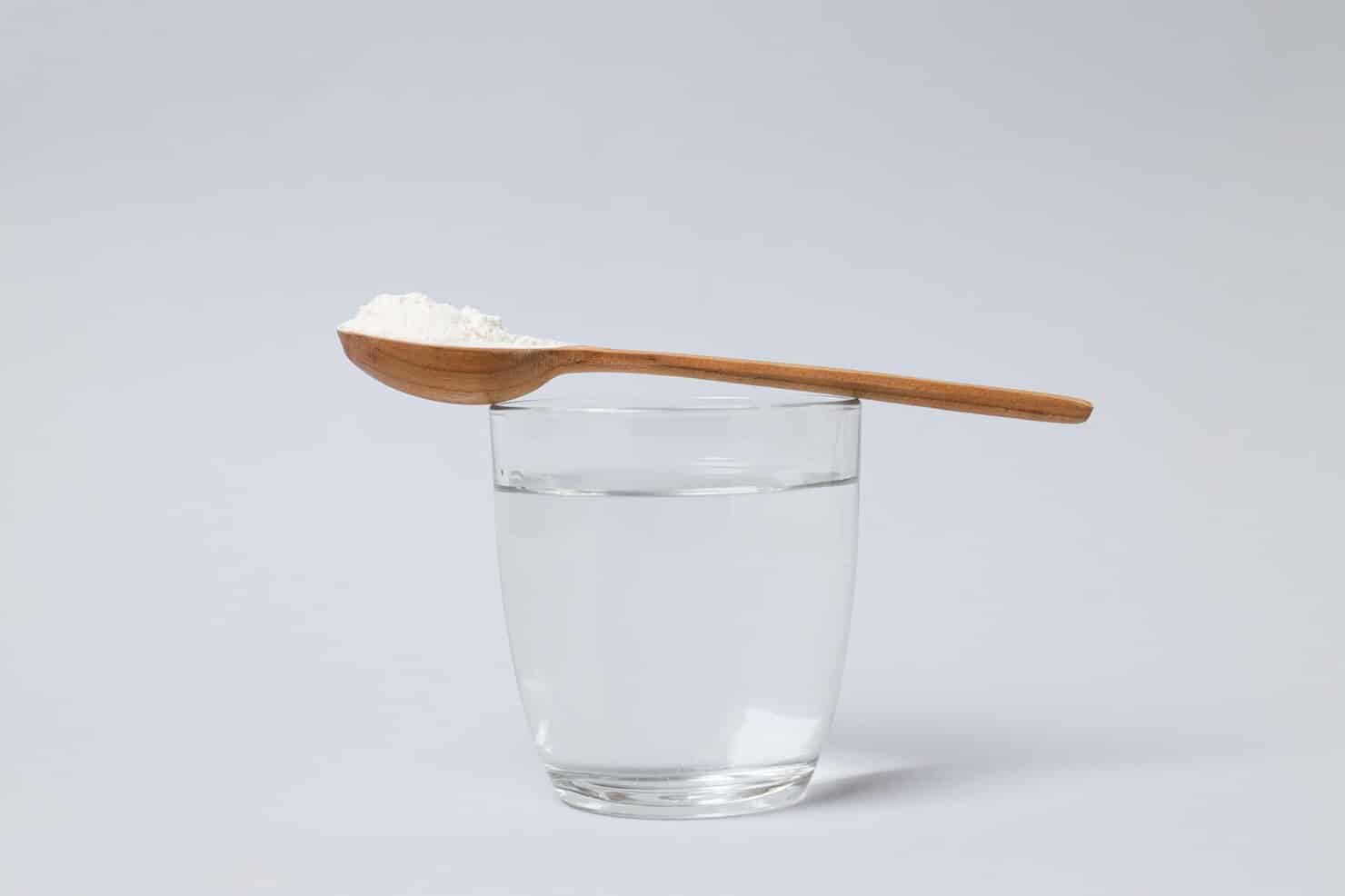
Natural ingredients, like salt water, have antimicrobial properties that can help freshen breath without the need for synthetic chemicals. Salt water is one of the cheapest and easiest-to-access mouth rinses you can find. Swish homemade saltwater in your mouth for 30 seconds, then gargle to reduce bacteria and soothe inflamed gums. Add half a teaspoon of table salt to a glass of warm water for the best mix.
6. Use a Baking Soda Rinse
Similar to salt water, baking soda is another safe mouth rinse you can easily make at home. Mix a single teaspoon of baking soda into a glass of water, then rinse once a day. Do not overuse baking soda rinses, however, as they may affect your mouth’s natural pH balance.
7. Avoid Foods with Strong Odours
Sometimes, it’s what you eat that causes bad breath. Here are the biggest food offenders to avoid to keep your breath from smelling:
- Garlic
- Onions
- Limit Coffee and Alcohol
Coffee and alcohol carry distinct smells that others can easily notice on your breath. On top of that, they also dry out the mouth, which, as we know by now, can worsen bad breath.
8. Eat Breath-Friendly Foods

Certain healthy foods can naturally combat bad breath because of low sugar content, fibrous texture that acts like a natural toothbrush, or lack of distinct smells. Some breath-protecting foods to eat every day as recommended by our dental hygiene treatment specialists:
- Crunchy fruits and vegetables like apples and carrots.
- Mint
- Parsley
- Probiotic yogurt
9. Stop Smoking
Smoking not only makes your breath smell bad but also damages your gums and puts you at risk of oral cancer. Stopping smoking is one of the best things you can do to improve the smell of your breath and your overall oral health.
10. Drink Green or Peppermint Tea

Green tea contains protective chemicals called polyphenols that fight bacteria in the mouth. Peppermint tea also has antibacterial properties, and more importantly, can deodorise your breath. Drinking these herbal teas without sugar will naturally freshen breath.
11. Try Oil Pulling
Oil pulling is an Ayurvedic practice in which oil is swished in the mouth to remove toxins and bacteria. While scientific evidence is limited, some studies suggest it may reduce plaque and lessen bad breath. The easiest oil pulling method is coconut oil rinsing. Swish one tablespoon of virgin coconut oil in your mouth for about 10 minutes, then spit it out and rinse with water before brushing in the morning.
12. Go for an Apple Cider Vinegar Rinse

Apple cider vinegar is a well-known home remedy thanks to its antibacterial properties. You can use it as a mouth rinse to improve bad breath. For best results, mix a tablespoon of apple cider vinegar with a glass of water, then rinse your mouth once a day about 30 minutes before brushing.
What Causes Bad Breath?
The most common cause of bad breath is poor brushing and flossing habits, according to the NHS. In addition, the following can also cause or significantly contribute to bad breath:
- Dental issues like cavities and poorly fitting braces or dentures
- Tongue coating
- Gum disease
- Foul-smelling foods like garlic
- Smoking and chewing tobacco
- Excessive consumption of coffee or alcohol
- Dry mouth (xerostomia)
- Respiratory infections, including sinusitis, tonsillitis, and bronchitis
- Acid reflux and similar stomach disorders
- Systemic diseases, including diabetes, kidney disease, and liver disease
How to Know if Your Breath Stinks
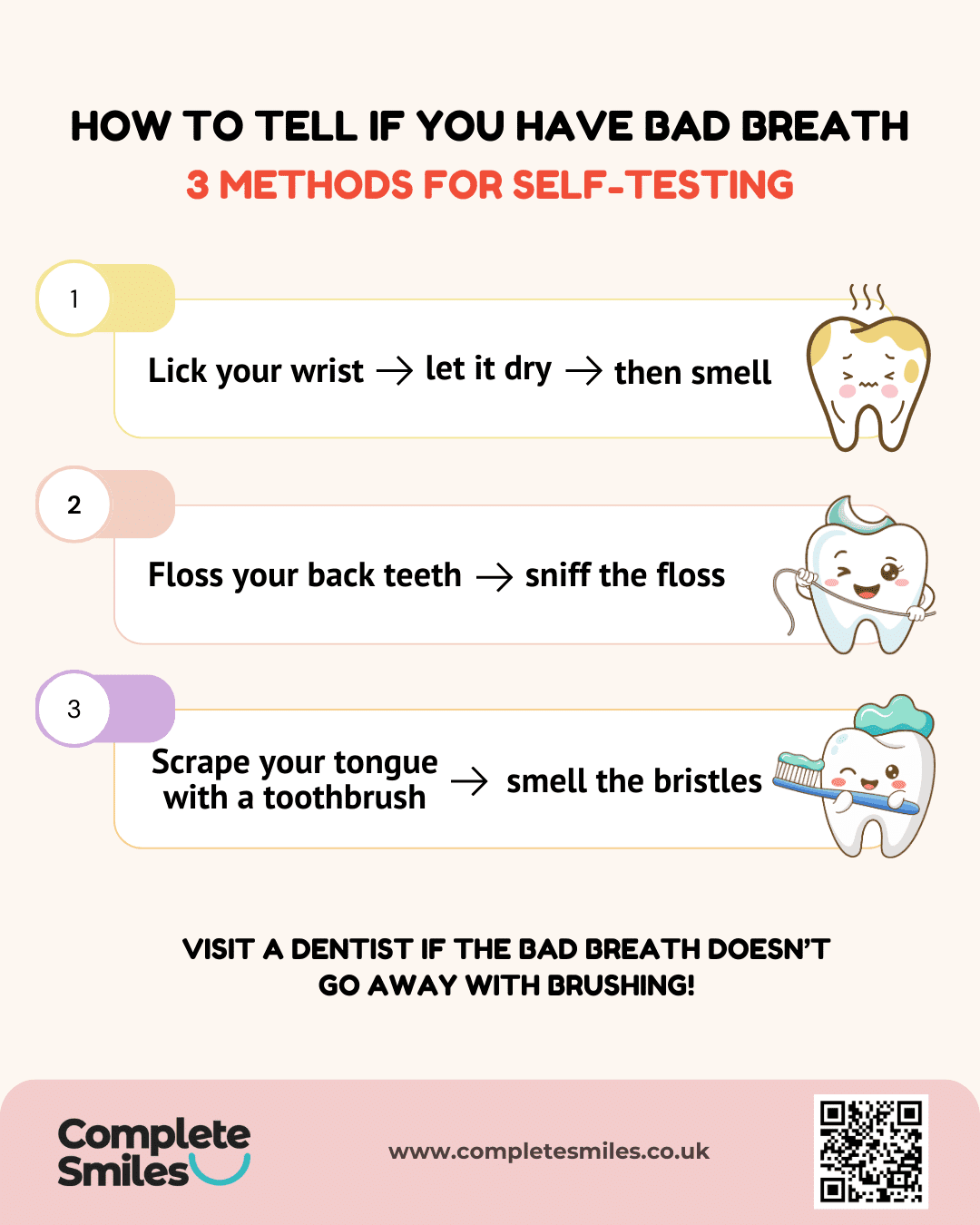
Typically, people around you will tell if your breath has a particularly unpleasant odour. If not, try any of the following:
- Typically, people around you will tell if your breath has a particularly unpleasant odour. If not, try any of the following:
- Floss your back teeth. Then take a whiff of the floss strings.
- Use your toothbrush or a tongue scraper to gently scrape your tongue. Then smell the brush or the scraper.
How to Know if Your Breath Stinks
Typically, people around you will tell if your breath has a particularly unpleasant odour. If not, try any of the following:
- Lick your wrist and allow the area to dry for a bit. Then smell your wrist and you will be able to tell if your breath smells.
- Floss your back teeth. Then take a whiff of the floss strings.
- Use your toothbrush or a tongue scraper to gently scrape your tongue. Then smell the brush or the scraper.
When to See a Dentist for Bad Breath: Preventative Dentistry Recommendations
A dentist can rule out diseases that may cause bad breath and permanently damage your oral health. Immediately seek professional dental care if you notice any of the following signs:
- Your bad breath stubbornly lingers even if you brush, floss, and clean your tongue.
- The bad breath is accompanied by bleeding in the gums, tenderness, or inflammation.
- You experience tooth pain alongside bad breath.
- You have a dry mouth even with proper hydration.
- Your sense of taste changes, especially feeling a metallic taste in the mouth.
Clinical Treatments for Bad Breath
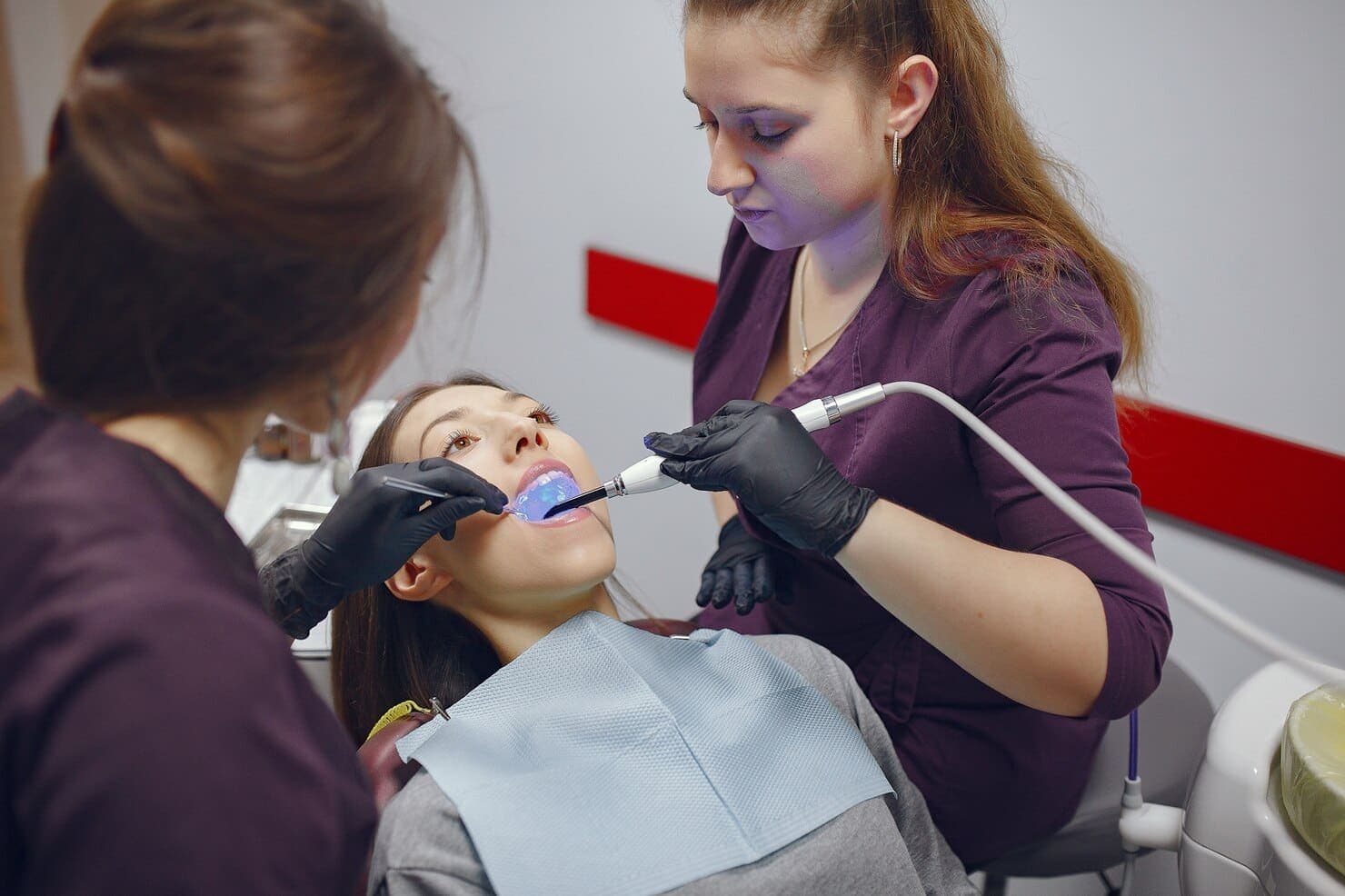
Treatment by a dental or medical professional is necessary to treat bad breath when good oral hygiene and natural mouth rinses don’t work. These are the treatments dentists usually prescribe for halitosis:
- Dental scaling and polishing: Also known as professional dental hygiene treatment, these methods remove plaque and tartar (hardened plaque) more thoroughly than regular brushing.
- Treatment of gum disease: In case the halitosis is linked to gum disease, the disease must be treated to fully eliminate the bad breath.
- Restorative care: Repairing cavities, replacing fillings , or adjusting ill-fitting crowns or dentures can prevent odour-causing bacteria from building up in your mouth.
- Restorative care: Repairing cavities, replacing fillings, or adjusting ill-fitting crowns or dentures can prevent odour-causing bacteria from building up in your mouth.
- Antimicrobial mouth rinses: Dentists may prescribe mouth rinses with chlorhexidine, cetylpyridinium chloride, or zinc-based rinses to reduce bacterial load and neutralise odours.
- Specialised toothpastes: Prescription-strength formulations with triclosan, zinc, or stannous fluoride can help control bacteria and odour.
- Saliva substitutes or stimulants: For those with dry mouth not related to dehydration, dentists prescribe artificial saliva treatments to stimulate the flow.
- Treatment of infections: You may be prescribed antibiotics to heal infections caused by odour-causing bacteria. In some cases, such as chronic tonsillitis, surgery may be necessary.
- Managing acid reflux: Treating gastric acid reflux disorders is essential when it is the cause of bad breath.
If your bad breath is linked to sinus infections, diabetes, kidney, or liver disease, you may be asked to see a physician for medical treatment.
Bad breath can seriously affect your ability to socialise and be at ease in public. Halitosis causes considerable emotional distress for many people who suffer from the condition. Fortunately, treating it at home is easy.
How to Get Help for Chronic Bad Breath—Professional Dental Hygiene Treatment and More
Practising good oral hygiene, using natural mouth rinses, and not smoking are simple, easy, and affordable ways to prevent bad breath. If you do all of these and the bad breath still doesn’t go away, it is time to see a dentist.
Visit a dentist or a hygienist qualified to provide check-ups for an initial assessment of your condition. You may be referred to a specialist if your bad breath has a serious underlying cause, such as periodontal disease or, in very rare cases, oral cancer.
Call us to book an appointment with a GDC-qualified dentist for a thorough assessment. You can also schedule dental hygiene treatment and a check-up in one appointment. (Please note you will only undergo hygiene treatment if you are medically qualified for it.)

Dr. Pedro Coelho (297274)
Ola! I'm Pedro, a dedicated dentist with a remarkable journey that spans borders and transcends conventional dental care. Born in the picturesque country of Portugal, my path in dentistry has been driven by a profound desire to make a difference in people's lives.