May 29, 2023
Persons who want to replace missing teeth frequently choose dental implants. They can improve the appearance and functionality of your smile and are a reliable, long-lasting option. It’s crucial to consider the advantages and disadvantages of each surgery before deciding whether dental implants are the best choice for you. In this essay, the benefits and drawbacks of implants, as well as decision considerations, will all be covered.
Understanding Dental Implants
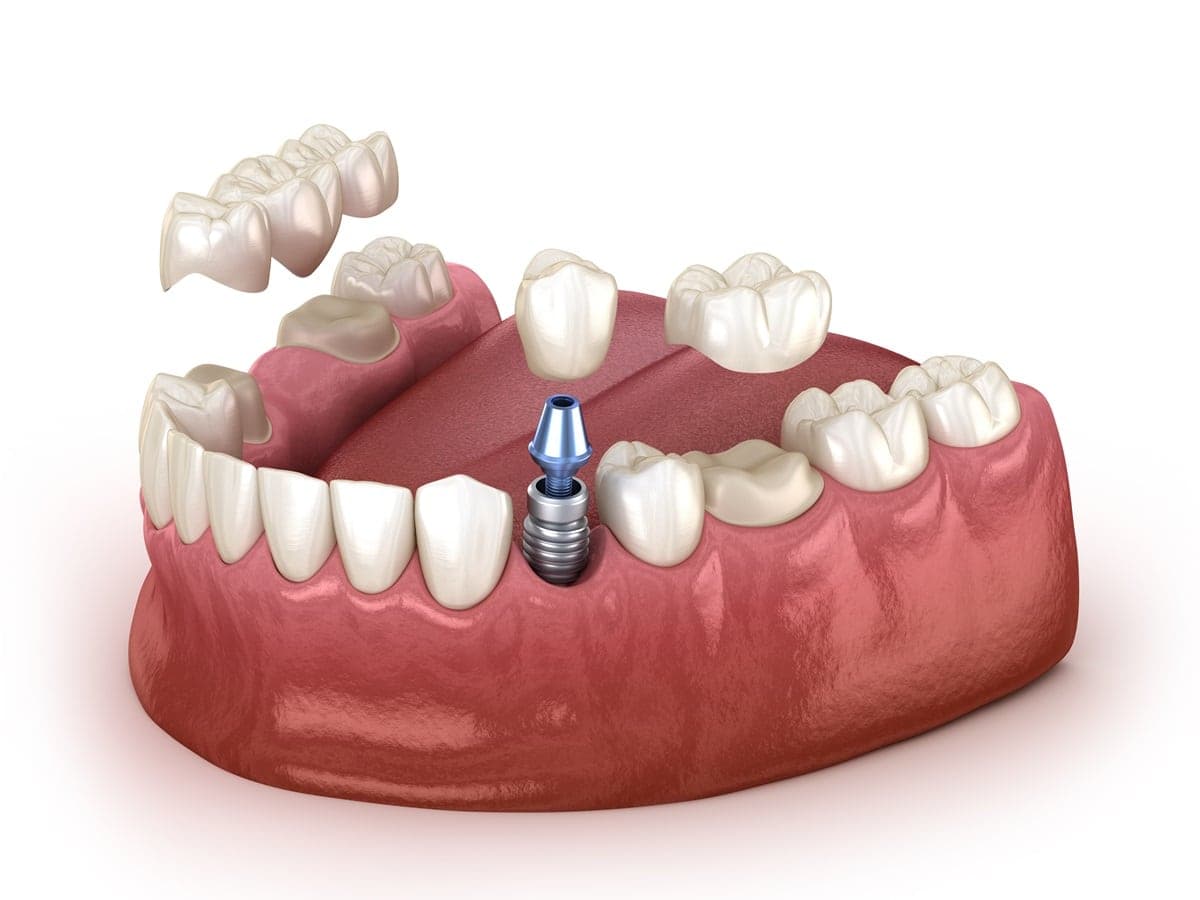
Dental implants are man-made tooth roots that are placed in the jawbone to support a replacement tooth. Titanium, a biocompatible metal that osseointegrated with the jawbone, is the most widely utilised material in their manufacture. After fully integrating with the jawbone, an implant provides a solid base to which a dental cap or abutment can be mounted.
The Pros and Cons of Implants
Dental implants are a widespread and dependable treatment option for those who are missing one or more teeth. They have numerous benefits and are both robust and long-lasting. Dental implants, like any medical procedure, have advantages and disadvantages that should be carefully considered before proceeding.
Dental Implants: Advantages
- Easy to chew: Dental implants make it easier to chew and speak since they are firmly fixed in place and do not slide or slip like other tooth replacement solutions.
- Low maintenance: Implants are cared for in much the same way as natural teeth — brushing, flossing and regular check-ups are all that is required.
- Permanent: Dental implants are a viable long-term option because of their strength and potential lifetime.
- Cuts down bone loss: When teeth are lost, the bone that supports them may deteriorate. Since dental implants are inserted directly into the jawbone, they can aid in preventing bone loss.
- Zero damage to the adjoining teeth: Dental implants do not require nearby teeth to be ground down or otherwise harmed in order to support the implant, unlike other tooth replacement options like bridges.
Dental Implants: Disadvantages
- Lengthy procedure: The process of getting a dental implant can be lengthy, requiring multiple appointments over several months.
- Dental Implant Problems: While rare, there is a risk of dental implant problems such as dental implant infection or implant failure. Proper oral hygiene and regular dental checkups are important to minimise this risk.
- Tooth Implant Side Effects: Some patients may experience temporary tooth implant side effects after getting a dental implant, such as swelling, bruising, or pain around the implant site.
- Dental Implant Infection: In rare cases, an infection can develop around the dental implant. This can occur if the implant is not properly placed or if the patient does not practice good oral hygiene.
Factors to Consider
1. Jawbone Density
Dental implants require a certain amount of healthy jawbones to support them. If the jawbone is too thin or weak, bone grafting may be required before the dental implant can be placed.
2. Lifestyle
Patients who smoke or use tobacco products may have a higher risk of complications with dental implants. It’s important to consider lifestyle factors when deciding if dental implants are right for you.
Dental implants can be a great option for individuals looking to replace missing teeth. They offer many benefits, such as improved appearance and function, and can be a long-lasting solution. However, it’s important to consider the potential drawbacks, such as cost and the risk of complications, before deciding. Consulting with a qualified dentist or oral surgeon is essential to determine if dental implants are the right choice for you.
Tips For Care After Dental Implants
After getting dental implants, it’s important to take proper care of them to ensure they heal properly and last as long as possible. Here are some tips for care after a dental implant procedure:
- Avoid smoking and tobacco use: Smoking and tobacco use can increase the risk of complications and implant failure. If you smoke or use tobacco products, it’s important to quit or reduce your use as much as possible.
- Avoid hard or sticky foods: For the first few weeks after the procedure, avoid hard or sticky foods that could damage the implant or surrounding gum tissue. Stick to soft, easy-to-chew foods such as soup, yoghurt, and scrambled eggs.
- Use Ice Packs: If you experience swelling or discomfort after the dental implant procedure, use ice packs wrapped in a cloth to reduce swelling and ease pain.
- Attend follow-up appointments: Attend all follow-up appointments with your dentist or oral surgeon to ensure the implant is healing properly and to address any issues or concerns.
- Wear a night guard: If you grind or clench your teeth at night, wear a night guard to protect the implant and surrounding teeth from damage.
- Maintain a healthy diet: Eating a healthy diet with plenty of fruits, vegetables, and lean protein can promote healing and help prevent complications.
- Be patient: The implant can take several months to fully heal and integrate with the surrounding bone. Be patient and follow your dentist’s instructions for care and maintenance during this time.
By following these tips, you can help ensure the success and longevity of your dental implant. If you have any questions or concerns about caring for your implant, don’t hesitate to contact your dentist or oral surgeon and get an idea of the pros and cons of implants.
Summing Up
In conclusion, dental implants are a popular and effective solution for replacing missing teeth. They offer numerous advantages, including improved oral health, functionality, and aesthetics. However, there are also potential risks and drawbacks, such as the risk of infection, implant failure, and high cost. It’s important to carefully consider both the pros and cons of dental implants before deciding whether they are the right option for you. Working closely with your dentist or oral surgeon and following proper care and maintenance guidelines can help minimise the risks and ensure the long-term success of your dental implants.
If you’re considering dental implants or any other dental treatments, don’t hesitate to schedule a consultation with our team at Complete Smiles. Our experienced dentists can help you determine the best treatment plan for your needs and answer any questions you may have. Contact us today to schedule an appointment and take the first step toward achieving a healthy, beautiful smile.

Dr. Malavi Sivakanesan (292322)
Dr. Malavi Sivakanesan is the principal dentist and co-founder at Complete Smiles in Harrow, Greater London. She is responsible for establishing the Complete Smiles brand throughout the United Kingdom and Europe and has 5 successful practices under her strong leadership.