February 3, 2025
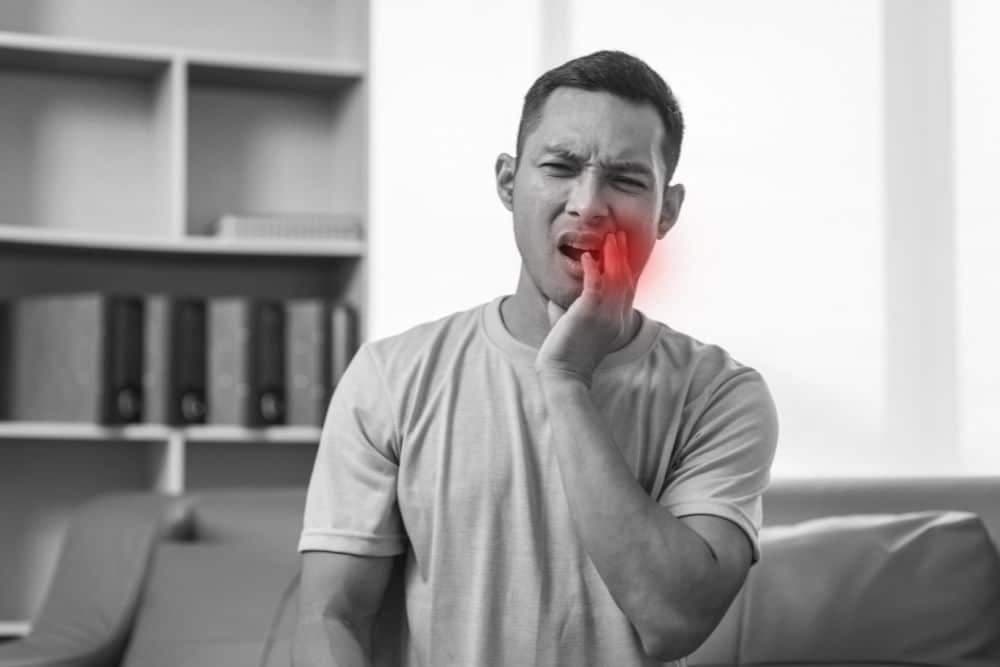
Loose teeth are an alarming symptom whether you are an adult going through it for the first time or a parent trying to figure out what is wrong with your adult child's teeth! Most children lose their teeth while growing, but loose teeth for adults are to be noticed and often indicate an underlying oral issue. It is important to identify the symptoms and pain of loose teeth and reach out to your dentist. Let's look into the loose tooth filling symptoms (what you feel when a tooth is loose and painful), and the signs of it.
Loose Wisdom Tooth Symptoms
1. Tooth Wobbling
The first sign of loose teeth is little mobility from the gum line. You can feel it when touching it with your tongue or finger. It eventually leads to tooth-pushing habits. The movement becomes more apparent over time, especially when eating or brushing. It is important to consult a dentist if the tooth moves with the applied force.
2. Tooth Sensitivity
A loose tooth can be sensitive or painful from mild to severe levels. Having hot, cold or even sweet food is sensitive to the teeth, often due to root exposure or wearing of the enamel. If the loose tooth causes you pain when you apply pressure or chew on it, then it needs to be addressed. Composite teeth filling is helpful to stabilise a loose tooth by connecting directly to the tooth structure.
3. Gum Inflammation
Gums around the loose tooth may be swollen, or red and inflamed as a result of loose tooth irritation and infection. If you feel a bit tender or you notice more swollen gums when flossing or brushing, there can be a problem. Swollen gums are a sign of many other dental issues, and it is best that you take care of them right away for your oral hygiene.
4. Bleeding Gums
Bleeding when brushing or flossing, especially from a loose tooth is one of the first signs of gum irritation. Other symptoms include a metallic taste in the mouth. Untreated bleeding will probably cause subgingival pathology that requires a higher procedure.
5. Receding Gums
A sign of gum recession occurs due to loose teeth. When you observe the loose tooth, the surrounding of the gum appears to simply recede and expose more. With gum recession, teeth feel wobbly and unstable. Gum recession can also greatly increase tooth sensitivity.
6. Persistent Bad Breath
Loose teeth may create permanent halitosis or bad taste in the mouth. It may be caused by residual bacteria and food particles accumulating around your tooth, causing an infection. Better to visit a dentist if brushing and flossing do not improve results.
7. Difficulty Chewing
When a tooth is loose, you will probably start chewing with discomfort, or even pain. You may experience pressure or instability when eating and the tooth may tilt with the bite. Eating one side of your mouth is more or less forced because certain foods cannot be consumed in one way, while a loose tooth is losing some support.
8. Teeth Alignment Changes
Loose teeth sometimes drift slightly into a new position, which can cause visible changes in your bite or alignment. A tooth previously in line may start to drift or appear crooked. Changes in this regard could also affect the way your other teeth meet when biting.
Loose Tooth Filling Symptoms
- Tooth Sensitivity: Pain with hot, cold, or sweet foods.
- Pain While Chewing: Discomfort or pressure when biting.
- Rough or Uneven Surface: Sharp edges or texture changes.
- Food Getting Stuck: Gaps trapping food particles.
- Visible Cracks or Gaps: Signs of wear or missing filling.
- Bad Taste or Odor: Bacteria buildup causing bad breath.
- Toothache or Throbbing Pain: Pain from exposed or decayed areas.
Seek Dental Support
If you are experiencing one or more of these loose wisdom tooth symptoms, you should schedule your dental appointment. The quicker you catch the signs of loose teeth and go for treatments, the better your chances of saving a loose tooth. If the dental problem originates from light irritation and swelling, it is good to treat early to keep your teeth healthy and smiling.
Conclusion
Adults with loose teeth may develop oral and dental diseases that need attention, Don’t ignore it! Spotting the symptoms like movement of teeth, loose tooth pain, sensitivity and changes in bite alignment can push you for immediate action. Visit our general dentistry London and avail the best treatment for loose teeth. Taking care of your oral hygiene guarantees the longest-lasting confident smile.

Dr. Malavi Sivakanesan (292322)
Dr. Malavi Sivakanesan is the principal dentist and co-founder at Complete Smiles in Harrow, Greater London. She is responsible for establishing the Complete Smiles brand throughout the United Kingdom and Europe and has 5 successful practices under her strong leadership.