March 28, 2025
Have you been having difficulty brushing or chewing down your food? Is it also accompanied with jaw pain and headache? If yes, you might have a misaligned jaw.
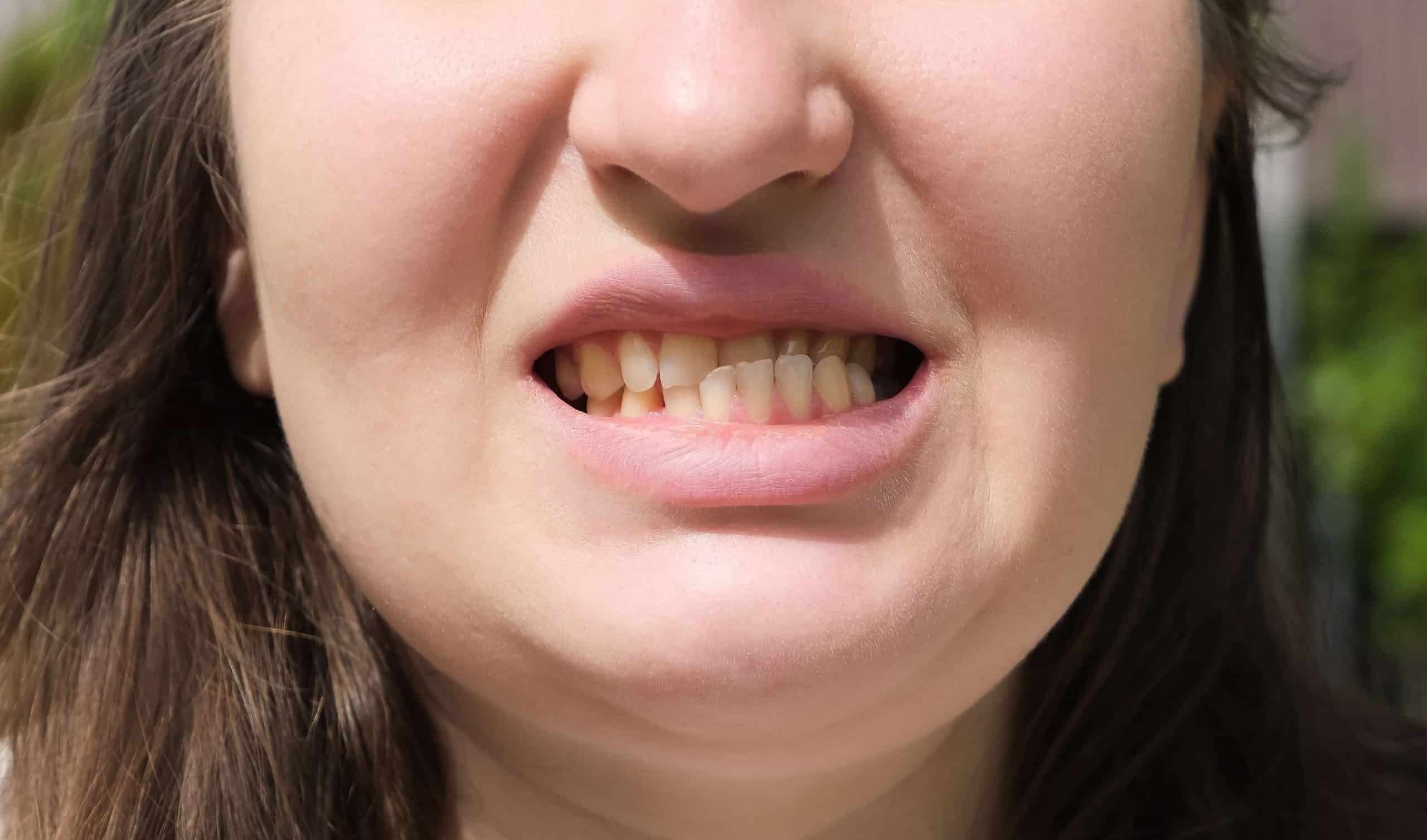
A misaligned jaw means your upper and lower teeth don’t meet properly, causing stress on your jaw joints and muscles. This can lead to various symptoms of bite misalignment, from mild discomfort to chronic pain that affects your daily life.
But how do you know if your jaw is truly misaligned?
Keep reading to know the most common symptoms and simple ways to check if your jaw alignment is off.
Common Symptoms of a Misaligned Jaw
Jaw misaligned symptoms can be seen in several ways. The symptoms range from mild discomfort to severe pain. Here are some of the most common jaw misaligned symptoms to be on the lookout for:
Symptom 1: Difficulty Chewing or Biting
Difficulty chewing or biting is the first sign ofbite misalignment. It happens because your teeth do not fit together properly, causing discomfort while eating. An uneven bite can make it challenging to chew certain foods and may lead to additional strain on the jaw muscles over time.
Symptom 2: Teeth Grinding (Bruxism)
Bruxism, also known as teeth grinding, is the involuntary act of clenching or grinding teeth (usually during sleep). When your jaw is misaligned, you might experience tooth grinding because of the uneven pressure on the teeth. This can even lead to the enamel of your teeth getting worn down.
Symptom 3: Pain in the Jaw, Neck, or Shoulders
When the jaw is crooked, it can strain the muscles near your jaw joint during chewing or talking. This results in chronic pain that will spread across your back to the neck and shoulders. This pain usually strikes in the morning or after talking or chewing for a long time.
Symptom 4: Headaches and Migraines
Headaches and migraines also appear as the result of jaw misalignment that strains your Temporomandibular Joint (TMJ) and the surrounding muscles. This stress goes to the temples and the head. It causes long-term pain, especially when there is a movement or stress on the jaw.
Symptom 5: Clicking or Popping Sounds
Clicking or popping sounds while chewing or opening your mouth can also be a sign of jaw misalignment. When the jaw isn't properly aligned, the joints and muscles struggle to move smoothly, causing these noises. This happens because the misalignment puts extra strain on the TMJ, forcing it to shift unnaturally as you move your jaw.
Symptom 6: Facial Asymmetry
You might even notice some facial asymmetry if you have misaligned jaws. This asymmetry is generally caused by a tilted smile or an uneven jawline. It can make your one side of the face look more pronounced than the other.
How to Check If Your Jaw is Misaligned?
Proper assessment for jaw alignment should be performed because it is the best way to know the symptoms. It can be really helpful to avoid long-term problems and get proper treatment when necessary. You can carry out the following self-test to know whether your jaw is misaligned before consulting a dentist:
Self-examination
First, stand in front of the mirror and examine your face. Make sure that everything is normal, such as your tilted jaw or even smile. Now, carefully open and close your mouth. Observe any clicking, popping sound or pain.
After checking the sounds, slowly bite down and check if your teeth are in alignment. And also check whether your upper and lower teeth touch evenly or do they feel crooked.
Lastly, put your fingers on your jaw joints (just below your ears) and move your jaw. Now, observe if there’s any pain or unusual movement during the process.
Professional Diagnosis
If you discover any one of the symptoms by performing self-examination, then you need to see a dentist. Dentists usually use advanced diagnostic techniques like X-rays, CT scans, and a physical examination to determine any abnormality in the jaw and bite misalignment.
What to do If You Have Jaw Misalignment?
The misalignment treatment depends on the severity of symptoms. Below are some suggestions for different ranges of misaligned jaw:
- In mild cases, making lifestyle changes such as stress management and jaw exercises can reduce the discomfort of misalignments.
- In moderate cases, orthodontic treatments, like braces or Invisalign, can slowly correct the crooked teeth and align the jaw.
- In moderate cases, orthodontic treatments, like braces or Invisalign, can slowly correct the crooked teeth and align the jaw.
- . In severe cases, jaw surgery might be recommended to correct the alignment. Moreover, due to uneven pressure, sometimes teeth can also get damaged. If that happens, you might need a root canal as well.
Achieving a Balanced Bite & Healthy Jaw Alignment
A balanced bite is extremely important for your overall oral health. It prevents unnecessary strain on your jaw, teeth, and surrounding muscles. You can achieve this by maintaining good oral hygiene and being mindful of habits like teeth grinding or clenching.
However, if you feel the problem has gotten a bit out of hand, it's best to seek professional help.

Dr. Malavi Sivakanesan (292322)
Dr. Malavi Sivakanesan is the principal dentist and co-founder at Complete Smiles in Harrow, Greater London. She is responsible for establishing the Complete Smiles brand throughout the United Kingdom and Europe and has 5 successful practices under her strong leadership.