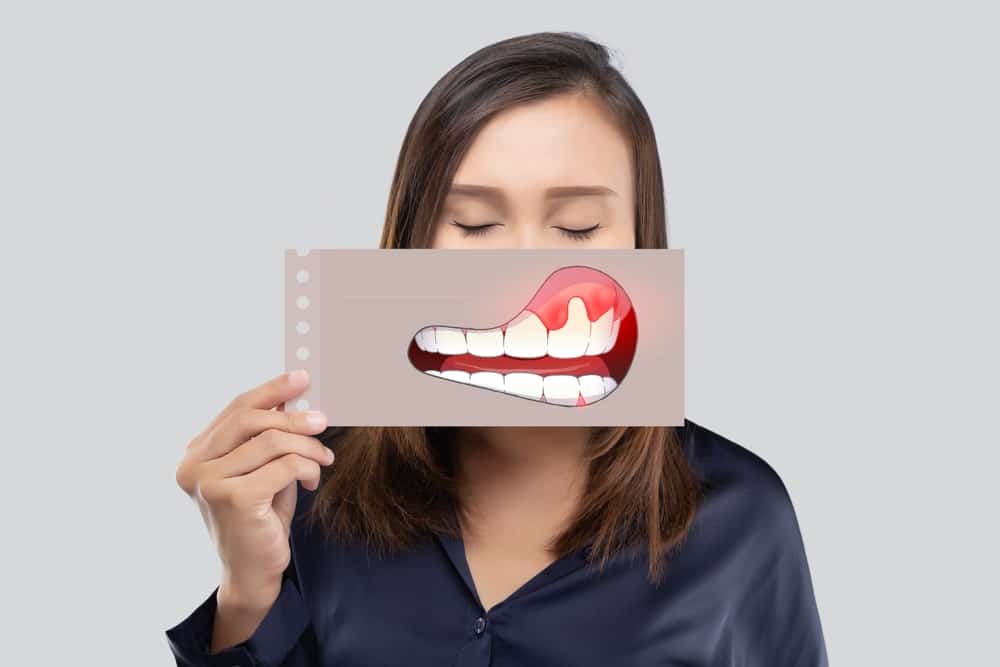
October 10, 2022
Each year, more than 10,000 people are diagnosed with oral cancer in the UK, according to the Mouth Cancer Foundation. Sadly, many are unaware of their symptoms until the cancer is in an advanced stage.
Survival rates are far higher when oral cancer is spotted early. That’s why regular oral cancer screenings are so important. These give dentists the chance to spot the cancer early, often before you’ve even noticed anything yourself.
In this blog, we are going to discuss oral cancer, the risk factors involved, the importance of oral cancer screenings, and more. Let’s start.
What is Oral Cancer?

Oral cancer (sometimes called mouth cancer) is part of the wider group of head and neck cancers. It can develop in several areas of the mouth and throat, which is one reason why it’s considered so serious.
The symptoms aren’t always obvious at first, and many people assume their dental health is fine until the disease is more advanced. That’s why dentists encourage regular dental checkups. Dental professionals are trained to spot early warning signs of oral cancer.
The most common types of oral cancer in the UK include:
- Tongue cancer (especially the sides and underside of the tongue)
- Cancer of the lips (linked to longterm sun exposure and smoking)
- Gum cancer
- Cancer on the floor of the mouth (under the tongue)
- Oropharyngeal cancer (affecting the back of the throat, tonsils, and soft palate)
Oral Cancer Symptoms
Oral cancer can affect the lips, tongue, gums,cheeks, or throat. Many of the early signs can be mistaken for minor issues.
Symptoms to look out for include:
- Mouth ulcers that don’t heal within 3 weeks
- Persistent lumps or thickened areas in the mouth, lip, or neck
- White or red patches inside the mouth (sometimes mixed redandwhite, called “erythroleukoplakia”)
- Unexplained pain, numbness, or bleeding in the mouth
- Difficulty swallowing, chewing, or moving the jaw or tongue
- Inexplicable changes in speech (such as a lisp or slurred words)
- Loose teeth or sockets that don’t heal after extraction
- A persistent sore throat or feeling that something is stuck in the throat
- Unexplained weight loss (in advanced stages)
Important Notes about Oral Cancer Symptoms
Having the above-mentioned symptoms doesn’t always mean you have oral cancer. The same symptoms can be caused by other conditions.
But if they last longer than 3 weeks, the NHS advises seeing your dentist or GP for a checkup.
Looking out for symptoms is vital for early detection. It makes treatment far more effective and improves survival rates significantly.
What Is Oral Cancer Screening?
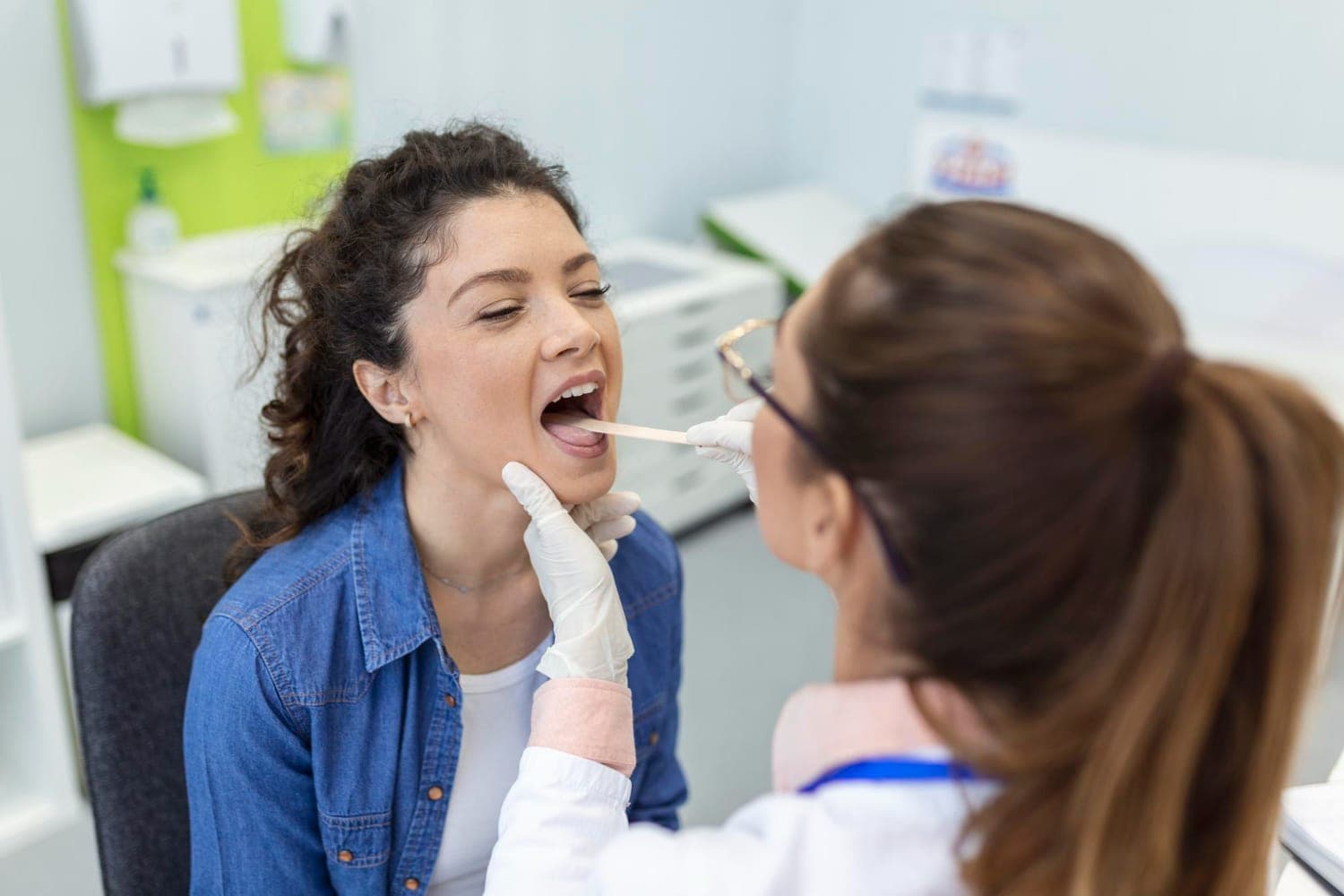
Oral cancer screening is a health checkup that takes place to identify the occurrence of precancerous cells in your body. This examination specifically checks your dental health to identify various types of oral cancers.
Dentists usually check your mouth, lips, tongue, and throat to look for signs of cancer. Additionally, they also check for ulcers, red or white patches, lumps, or anything unusual that might need further investigation.
If not a dentist, you can ask your GP to perform an oral examination on your mouth. However, a dentist will be best suited for this check-up as they are adept at spotting signs of other oral problems not related to cancer. In the UK, most oral cancers are spotted first by dentists.
Benefits of Oral Cancer Screenings
In this section, we will discuss the most significant benefits of oral cancer screenings:
Early Detection and Intervention
When you get examined regularly, your dentist can detect cancer at its earliest stage, which increases the chances of survival. With early detection, you may be able to fully manage the disease before it progresses.
Understand Your Risk for Oral Cancer
Not everyone is susceptible to oral cancer the same way. You can know your risk level for this disease based on your individual health history through an oral cancer screening. Certain lifestyle habits, like smoking, can increase your risk. Your dentist or doctor will advice you based on your unique profile.
Take Preventative Measures
If you think you are at high risk of oral cancer, you can take measures to possibly prevent getting the disease. Success levels can vary depending on your health condition. However, your chances of never getting oral cancer might be higher with regular screening and routine dental checkups.
Who Needs to Get Examined for Oral Cancer?
Anyone can get oral cancer. However, some people carry a higher risk due to existing oral health problems, habits, and several other factors. Let’s look at those now:
Smokers
Smoking (and the use of tobacco) is the biggest risk factor for oral cancer. Medical research has clearly established a direct link between cigarette smoking and oral cancer. Quitting smoking fully is the best way to reduce this risk for yourself.
Those with Other Cancers
People who have been diagnosed with any type of cancer in the past have an increased risk of getting oral cancer as well. The existing cancer could metastasise into the mouth region, or the poor health in general may set the conditions. Therefore, it’s highly advisable to get screened for oral cancer if you already have, or have had, cancer.
Those with Family Members Who Have Oral Cancer
Cancer may be hereditary. Even if you are healthy, your genes could be the trigger that causes cancer. If you have any blood relatives with oral cancer or have had it in the past, your chance of being affected by the same may be higher.
Regular Drinkers
Excessive drinking can contribute to oral cancer, among many other health problems. Getting drinking under control is one of the best ways to reduce your risk of many cancers, including those in the mouth. It can also make your teeth and gums healthier.
STI Patients
Having or having had some STIs can increase your risk of mouth cancers. The Human papillomavirus (HPV), particularly HPV16, is linked to rising rates of oropharyngeal cancer.
While you should watch out for risk factors, you should know that people can also get oral cancer without having any of these risk factors. That’s why regular dental check-ups are the surest way to spot signs.
The Takeaway
Oral cancer is treatable and manageable when caught early. An oral cancer screening is just a quick look inside your mouth during a dental visit that could make all the difference.
Because the UK currently has no national screening programme for oral cancer, unlike for breast or cervical cancer, patients are expected to take the initiative to go see a dentist. Contact our dentists at Complete Smiles to book an appointment for oral cancer right away! We have off-hours appointments for busy professionals.

Dr. Malavi Sivakanesan (292322)
Dr. Malavi Sivakanesan is the principal dentist and co-founder at Complete Smiles in Harrow, Greater London. She is responsible for establishing the Complete Smiles brand throughout the United Kingdom and Europe and has 5 successful practices under her strong leadership.