
November 27, 2025
The Midlands region, where the Complete Smiles Stafford dental clinic is located, has some of the highest rates of Type 2 diabetes in England. As dentists, you may wonder why we are talking about diabetes. Well, systemic and chronic conditions like diabetes affect oral health too, potentially increasing the risk of tooth loss.
One little-known complication of diabetes is gum disease, which can cause tooth loss if not addressed on time. Even though a disease like diabetes can be reversed, tooth loss cannot be. You will need expensive treatment, like dental implants, to regain your smile.
It’s much easier, and a lot less expensive, to address oral health problems associated with Type 2 diabetes than to treat tooth loss. The connection between the two is becoming impossible to ignore, especially as our dentists in Stafford increasingly see patients with oral health problems comorbid with (existing alongside) Type 2 diabetes.
What’s the Link between Type 2 Diabetes and Oral Health? A Brief Explainer from a Stafford Dental Clinic
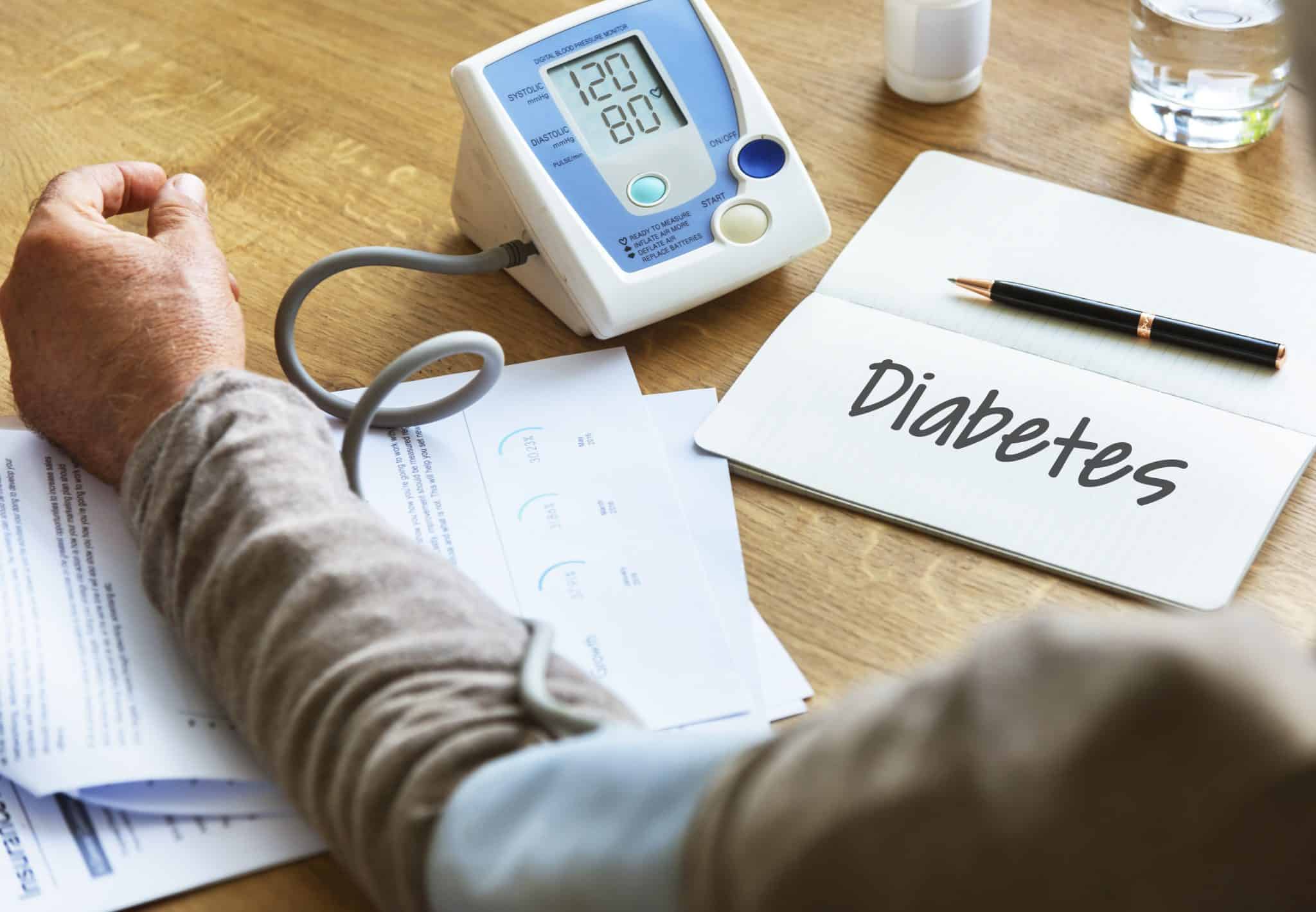
Both types of diabetes weaken the body’s ability to fight infection. Diabetes is what doctors call an inflammatory condition, meaning it triggers chronic, low grade reactions throughout the body, and the mouth is no exception.
Most are aware that inflammation from chronic diseases like diabetes can affect major organs, particularly the heart. However, a lesser-known fact is that it can also affect the mouth. The gums are highly vascular and sensitive to changes in blood sugar. Diabetes can make your gums more prone to swelling, bleeding, and infection.
In fact, the oral cavity is often one of the first places where the effects of uncontrolled blood sugar become visible. Most people quickly notice the cavities, tooth discolouration, and sometimes bad breath before they notice other signs of diabetes.
How Type 2 Diabetes Can Ruin Your Smile

Gum disease (periodontitis) is the most common oral complication of diabetes. It is a serious condition which can lead to an even worse condition called periodontal disease putting you at risk of tooth loss.
Type 2 diabetes and raised fasting blood sugar levels can:
- Increase the risk of gum inflammation and infection: High glucose levels in saliva provide a breeding ground for harmful bacteria. This makes dental plaque more aggressive, making gums more prone to swelling, bleeding, and tenderness. What begins as gum disease can quickly escalate into periodontitis if not managed.
- Slow healing after dental treatment: Patients with poorly controlled diabetes often experience delayed healing after routine dental procedures such as extractions. This is because elevated blood sugar impairs circulation and reduces the body’s ability to repair tissue efficiently. Oral surgery becomes much riskier if the patient has diabetes.
- Increase the likelihood of xerostomia: Xerostomia means dry mouth. Chronic dry mouth is caused by reduced saliva flow. Saliva normally helps wash away food particles and neutralise acids. Without it, teeth are more vulnerable to decay. Dry mouth is very common among people with diabetes, putting them at a higher risk of developing other problems associated with xerostomia.
- Make you more vulnerable to tooth decay and oral thrush: Dry mouth, as seen in diabetes, can make your mouth more susceptible to infections like oral thrush. Lack of saliva can also make your teeth more likely to erode.
- Alter your sense of taste: It is little understood exactly why this occurs, but some patients with diabetes report changes to their sensation of taste. Some experience a metallic taste in the mouth that doesn’t go away. Yet others describe it as a burning sensation. However, it might present, dysgeusia (taste-altering disorder) can make eating, drinking, and even sometimes speaking uncomfortable.
For dental patients, tooth loss is the most dangerous risk of unmanaged diabetes. Loss of teeth alters smiles, which is not just a cosmetic issue. Losing teeth affects nutrition, speech, and, worst of all, self-confidence.
What Role Do Dentists Play in Diabetes Management?
For many patients, dental complications are the first visible signs of dangerous blood sugar levels. For our Stafford dentist, diabetes is one of the most significant systemic conditions among patients coming in for gum or tooth loss treatments.
That means dentists are uniquely positioned to spot early warning signs of diabetes. Severe gum disease that does not respond to routine treatment often points to an underlying systemic issue. More often than not, this underlying condition is type 2 diabetes.
When we see patients with recurrent infections, unexplained oral thrush, or unusually slow healing, we often recommend that they speak to their GP about diabetes testing. The earlier the diagnosis, the better the outcome.
Combining Diabetes Management with Dental Care
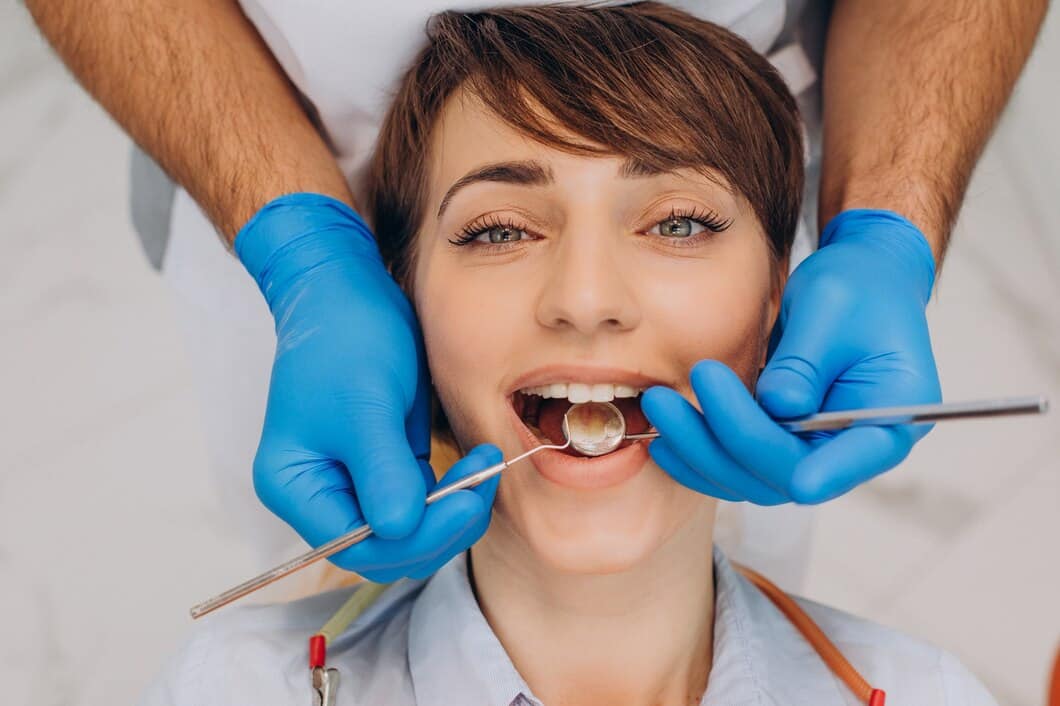
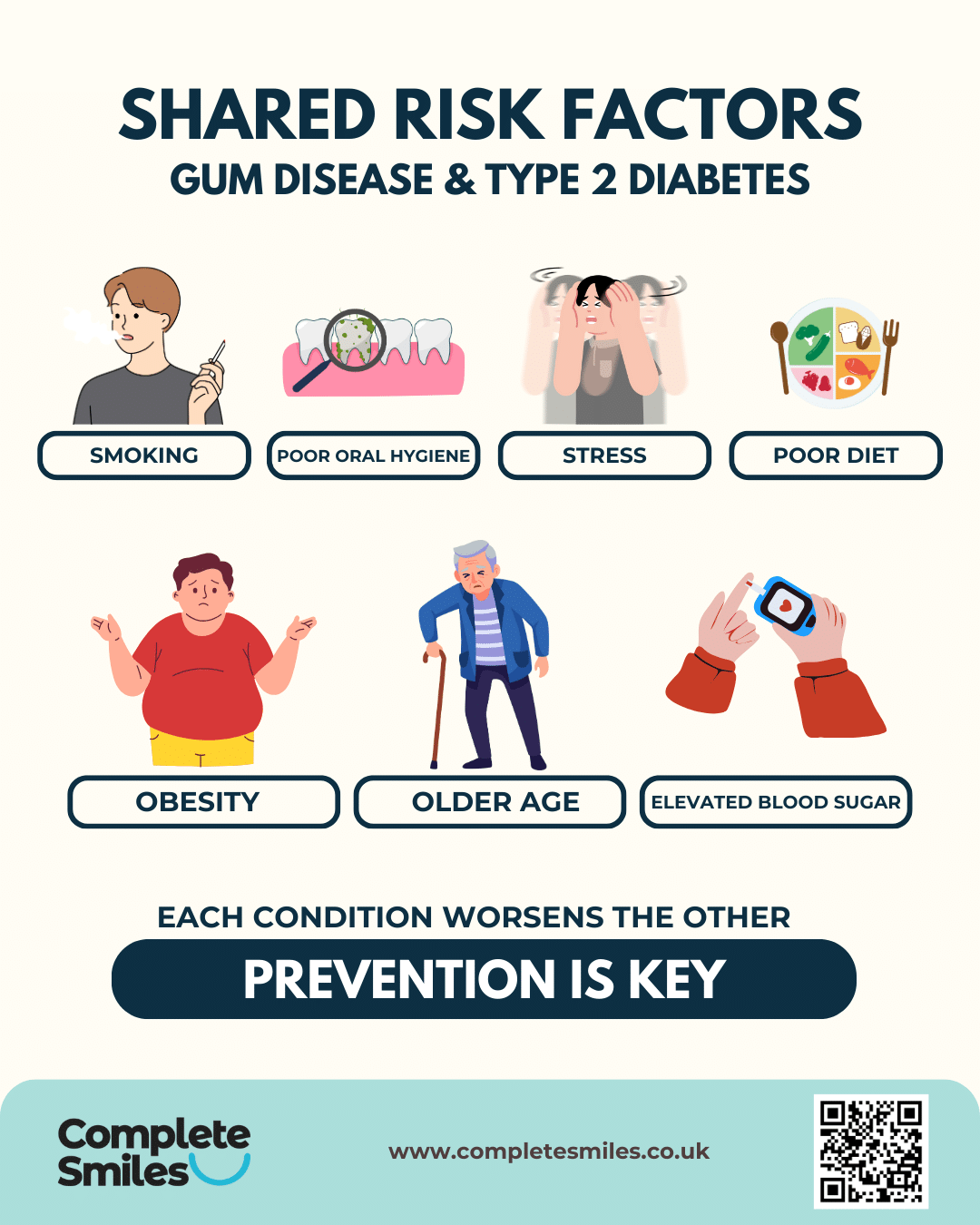
Too often, oral health is treated as separate from general health. Yet gum disease is now recognised to have a two-way relationship with diabetes. Not only does diabetes worsen gum disease, but severe gum disease can make blood sugar more difficult to control.
This vicious cycle means that ignoring oral health undermines diabetes management. Imagine being in your 30s and losing teeth due to a condition you didn’t even know you had. The stigma of imperfect smiles can affect careers, relationships, and mental well-being.
As dentists, we are not just treating teeth; we are safeguarding health. And with diabetes rates climbing, protecting smiles at our Stafford dental clinic has never been more urgent.
How to Evaluate Your Oral Health Risk from Diabetes
If you have Type 2 diabetes, prediabetes, or suspect a risk, getting a dental check-up is absolutely important to make sure elevated blood sugar is not affecting your gums and teeth. Just as diabetes is a “silent condition,” early stages of gum disease can be too. You may not notice your gums receding until it’s too late.
This is why you shouldn’t wait until you get a cavity to go to the dentist. Visit the dentist regularly, at least twice a year, to keep your teeth safe and healthy. You can book a consultation with a qualified professional at our Stafford dental clinic either online or by phone.
Oral health is not just about teeth—it’s about your overall health and quality of life. So don’t underestimate the value of dental check-ups and good oral hygiene for keeping yourself healthy and smiling brightly.

Dr. Malavi Sivakanesan (292322)
Dr. Malavi Sivakanesan is the principal dentist and co-founder at Complete Smiles in Harrow, Greater London. She is responsible for establishing the Complete Smiles brand throughout the United Kingdom and Europe and has 5 successful practices under her strong leadership.