March 28, 2022
Teeth are a vital health asset for life, but often get neglected. If a tooth is not hurting, you will probably not book an appointment with a dentist.
However, slow and gradual harm to your teeth is not always so obvious. Gum recession is one such case. It occurs slowly, gradually, and initially unnoticeably. But when it progresses, it can cause serious health concerns, including tooth loss.
In this article, we will talk about a well-established solution to gum recession: the gum grafting procedure.
What is Gum Recession?
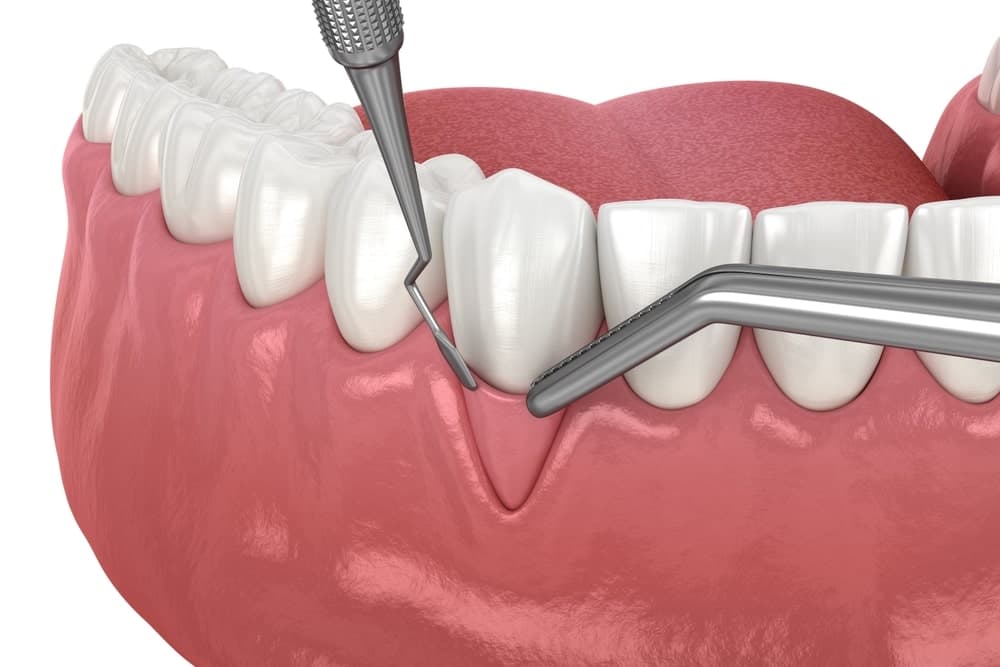
Gum recession is the slow and gradual receding of gums, where the tissues surrounding the teeth move or pull away from a tooth and eventually expose the bone and root below.
Gum recession is the slow and gradual receding of gums, where the tissues surrounding the teeth move or pull away from a tooth and eventually expose the bone and root below.
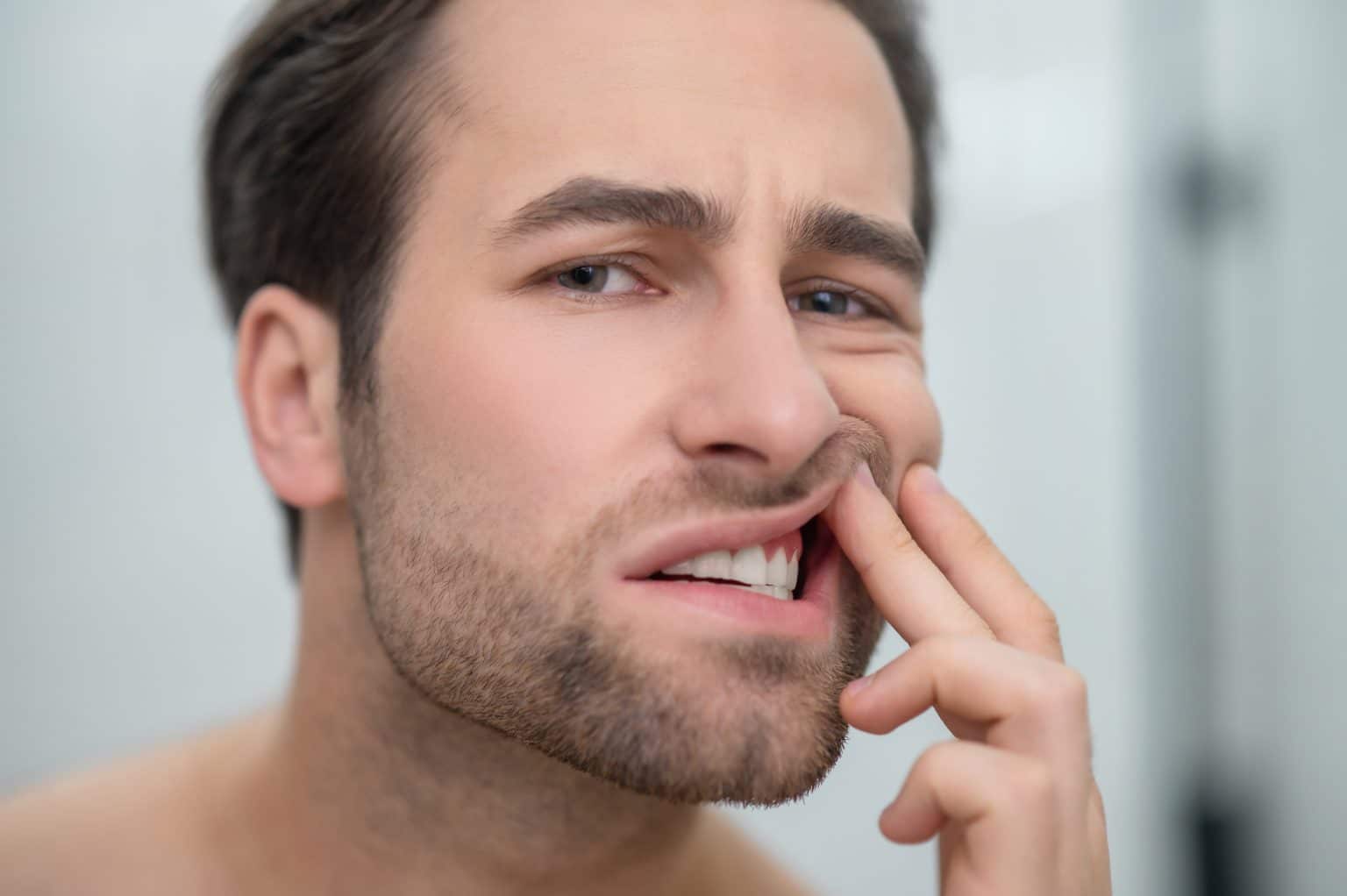
An exposed tooth is an unappealing sight when you smile. Additionally, it can cause tooth sensitivity, and if left untreated, it may damage the surrounding bones. Untreated gum recession can also lead to tooth and jawbone loss.
What are The Causes of Gum Recession?
There is no one particular cause for it. Several collective factors contribute to gum recession. Some are physiological, which include:
- Periodontal (gum) disease
- Diabetes
- Hormonal changes
- Genetics
Other reasons include lifestyle habits, including:
- Periodontal (gum) disease
- Diabetes
- Hormonal changes
- Genetics
Gums, once they recede, do not grow back. The only way to restore a gumline is through gum grafting surgery.
What is a Gum Graft?
A gum graft, also known as a gingival graft, can correct receding gums. A piece of tissue is removed from the roof of your mouth or nearby healthy gum tissue and attached to the area where your gums have pulled away. The treatment of gum grafting is decided based on the clinical conditions and individual needs.
There are three main types of methods commonly used for gum grafting, which include:
- Connective tissue graft
- Free gingival graft
- Pedicle graft
| Graft Type | Tissue Source | Ideal For | Healing Experience |
|---|---|---|---|
| Connective Tissue Graft | Under palate flap | Root coverage & aesthetics | Moderate discomfort |
| Free Gingival Graft | Surface of palate | Gum thickening | More discomfort |
| Pedicle Graft | Adjacent gum tissue | Localised root coverage | Faster healing |
How are Gum Grafts Performed?
In a connective tissue graft, new tissue is added to cover the exposed tooth roots. It is one of the most commonly used methods for gum tissue grafting. A flap of skin at the upper palate is cut open, and tissue is taken from beneath it. The healthy tissue is then sutured to the surrounding gums of the exposed tooth.
In a free gingival graft, a small amount of tissue is taken directly from the upper palate of the mouth. There is no need to cut open the upper palate to get the underlying skin tissue. The tissue from the exposed palate is then grafted to the gum area, which requires treatment. Those who already have thin gums are given this type of graft, as it provides additional tissue to check further recession.
In a pedicle graft, a flap of tissue is taken from an area next to the receded gum, and the same tissue is used to cover the damaged area. This procedure is different from the other two as your dentist is using local tissues instead of other parts of your mouth to treat the gum recession.
The pedicle technique is best suited for patients with plenty of healthy gum tissue around the area of recession. The most obvious advantage of this procedure is fewer stitches and cuts inside the mouth. The reason it is more successful is that it doesn’t cut off blood flow to any part of your mouth.
What are Things you Should Keep in Mind Before the Procedure?
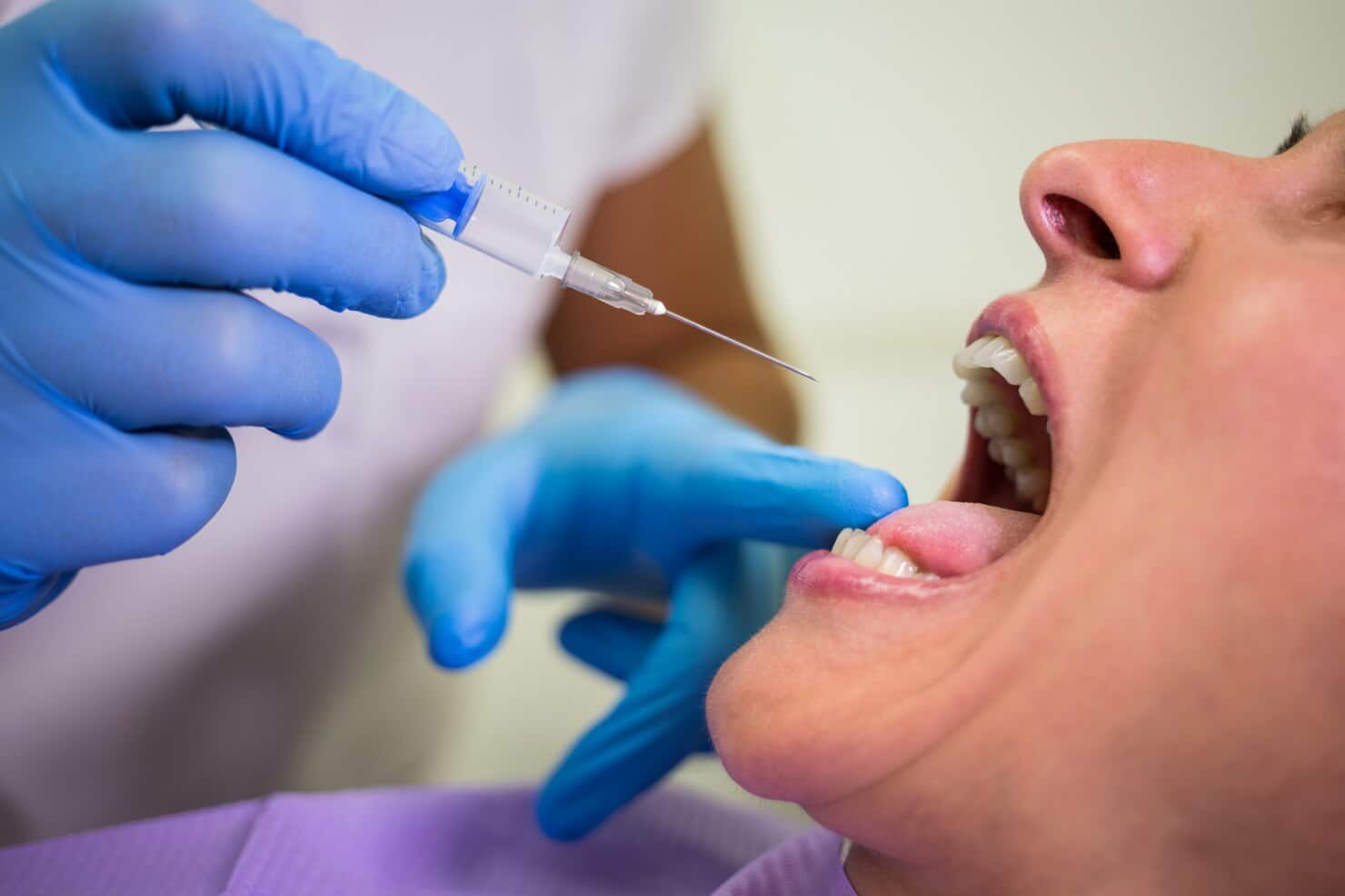
You will be given local anaesthesia to numb the area for the gum graft surgery. But in rare cases, general anaesthesia is also provided. Therefore, you may need to remain unconscious during the procedure.
Once the procedure is done, you will be able to go home. The periodontist prefers to keep the patient under observation for an hour or two.
If you are under anaesthesia’s influence, it is essential to have someone with you. Also, do not drive your way back home.
How Long Will it Take to Recover after Gum Graft Surgery?
The word “surgery” gives most people goosebumps, but this is a quick and straightforward procedure with a relatively straightforward recovery. It is observed that most patients are completely recovered and return to regular activities within 1-2 weeks.
As there are cuts and stitches inside the mouth, there may be some discomfort and soreness for 2-3 days. But one can start chewing after a week.
What are Precautions to be Taken after Gum Graft?
The most important precaution that should be taken during the healing phase is maintaining good dental hygiene. Other precautions are:
- After gum grafting, you have to avoid brushing for better recovery. The teeth and gums should be kept clean with the help of a medicated mouth rinse.
- Eat soft and cold food items to avoid damaging the graft. Hard or hot foods can burn or irritate the graft, so they must be avoided.
- Use antimicrobial mouthwash regularly to prevent infections and plaque buildup around the graft.
- Do not floss, as you may damage the graft or wound the gum tissues, which can also lead to infections.
- Do not do strenuous activities until you are fully recovered.
What are The Benefits of A Gum Graft Procedure?
- It is an effective method of controlling gum recession and bone loss.
- It reduces tooth sensitivity and protects the roots of your teeth from decay.
- It also improves looks. It is aesthetically pleasing to have an even gum line.
For more information, please get in touchwith Complete Smiles today. We are open seven days a week with flexible opening hours. Complete Smiles is a patient-centric dental centre offering flexible finance plans with interest-free periods on selected treatments, subject to eligibility.

Dr. Malavi Sivakanesan (292322)
Dr. Malavi Sivakanesan is the principal dentist and co-founder at Complete Smiles in Harrow, Greater London. She is responsible for establishing the Complete Smiles brand throughout the United Kingdom and Europe and has 5 successful practices under her strong leadership.