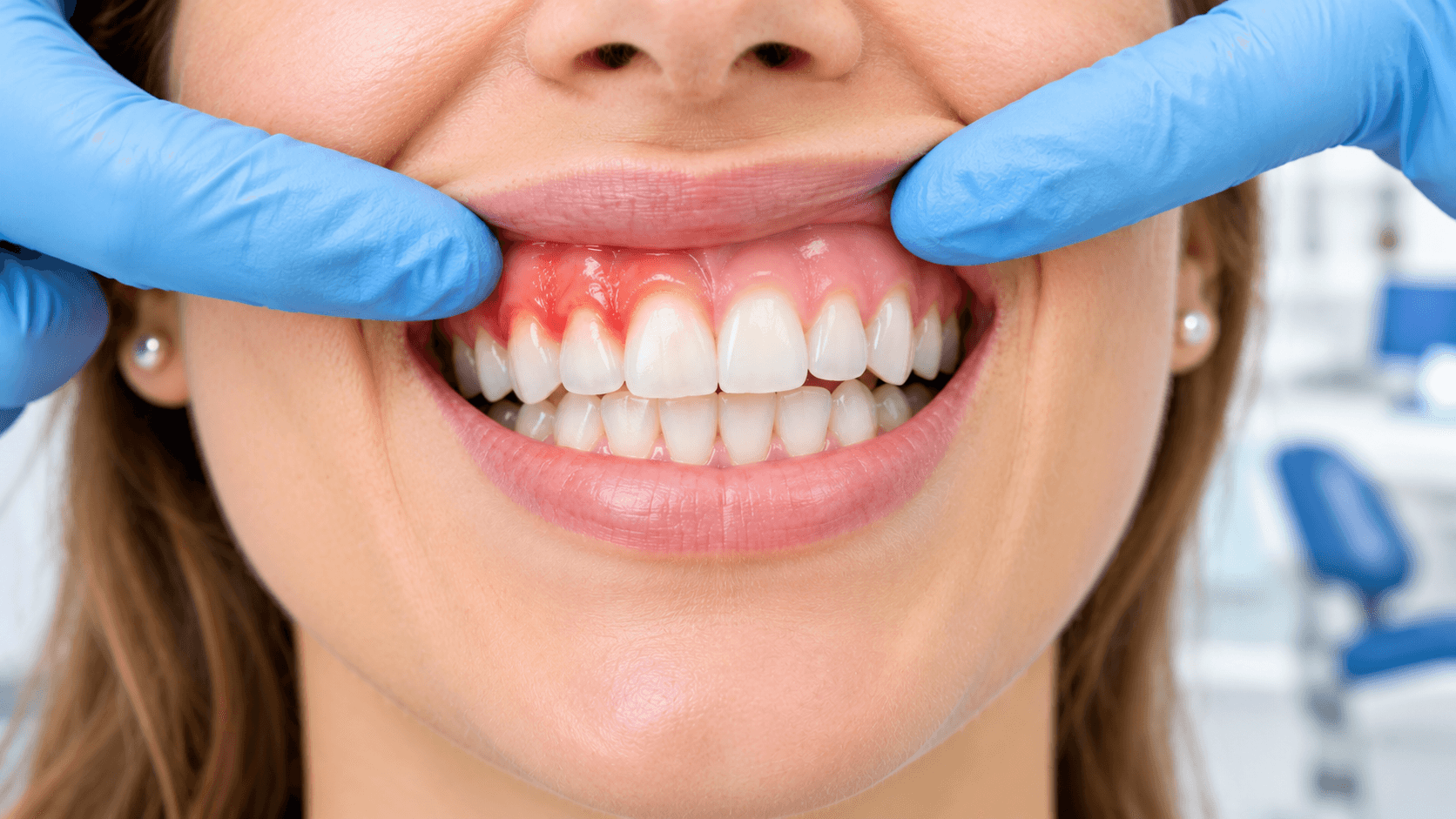
Diseased gum, commonly known as gum disease, is a widespread dental condition that can cause discomfort, tooth loss, and impact your overall health. This guide explains what diseased gums are, their causes and symptoms, and how professional dental care combined with an effective at-home routine can help restore and maintain gum health.
What Are Diseased Gums?
Diseased gums refer to inflammation and infection of the gum tissue, primarily caused by plaque, a sticky film of bacteria that accumulates on teeth. Healthy gums are firm, pink, and do not bleed during brushing or flossing. Diseased gums, however, often appear red, swollen, and bleed easily.
There are two main stages of gum disease:
Gingivitis
The initial, mild stage characterised by gum inflammation without damage to the bone or deeper tissues.
Periodontitis
A more advanced stage where infection spreads below the gum line, damaging the bone and connective tissues supporting the teeth.
Early detection and treatment are essential to prevent permanent damage and restore gum health.
Common Causes and Risk Factors of Gum Disease
The primary cause of diseased gum is plaque buildup, but several factors increase the risk:
Poor oral hygiene
Infrequent or ineffective brushing and flossing allow plaque to accumulate.
Smoking
Tobacco use raises the risk and can make gum disease more difficult to treat.
Genetics
Some individuals are more susceptible due to hereditary factors.
Health conditions
Diabetes, hormonal changes (e.g., pregnancy), and certain medications can affect gum health.
Stress
Chronic stress may weaken the immune response, increasing vulnerability.
Diet
A diet low in vitamin C and other nutrients can contribute to gum problems.
Addressing these factors is crucial for prevention and management.
Symptoms of Diseased Gums
Recognising gum disease early improves treatment outcomes. Common symptoms include:
- Red, swollen gums
- Bleeding during brushing or flossing
- Persistent bad breath (halitosis)
- Gum recession, making teeth appear longer
- Tenderness or pain in the gums
- Loose teeth in advanced cases
- Pus between teeth and gums, indicating infection
If you notice these signs, consult a dental professional promptly.
How Gum Disease Progresses: From Gingivitis to Periodontitis
Gum disease develops gradually:
Gingivitis
Plaque irritates the gums, causing inflammation. This stage is usually reversible with professional cleaning and improved oral hygiene.
Early periodontitis
Untreated inflammation spreads below the gum line. The immune system responds by breaking down bone and connective tissue.
Moderate to advanced periodontitis
Infection deepens, forming pockets between teeth and gums, with ongoing bone loss. Teeth may loosen or fall out.
At the cellular level, bacterial toxins trigger an immune response that can damage gum tissue and bone.
How Diseased Gums Affect Overall Oral and General Health
Diseased gums impact more than just your mouth:
Tooth loss
The most direct consequence of untreated gum disease.
Bone loss
Jawbone supporting teeth can deteriorate.
Systemic health risks
Research has identified associations between gum disease and certain health conditions, including diabetes and cardiovascular disease. However, these associations do not necessarily establish a direct cause-and-effect relationship. For more information, see our guide on gum disease and diabetes.
Maintaining gum health supports overall wellbeing.
Professional Dental Treatments for Diseased Gums
Treating diseased gum typically requires professional intervention. At Complete Smiles, treatment options include:
Scaling and root planing
Deep cleaning removes plaque and tartar from above and below the gum line, smoothing root surfaces to encourage gum reattachment.
Antibacterial rinses or gels
Prescribed to reduce bacterial load.
Surgical treatments
In advanced cases, procedures such as flap surgery or bone grafting may help manage gum disease and support damaged tissues, depending on the patient's clinical condition.
Professional care removes deposits unreachable by brushing and provides personalised monitoring. Learn more about our gum disease treatment options.
Comparing Professional Treatments
| Treatment | Description | Indications | Benefits |
|---|---|---|---|
| Scaling & Root Planing | Deep cleaning and root smoothing | Mild to moderate gum disease | Removes tartar, promotes healing |
| Surgical Treatments | Flap surgery, bone grafts, etc. | Advanced periodontitis | May help manage advanced gum disease and support tooth retention |
Your dentist will recommend the best treatment based on your condition.
At-Home Gum Care: Step-by-Step Routine for Healthier Gums
Daily care at home complements professional treatment. Follow this routine:
Brush twice daily
Use a soft-bristled toothbrush and fluoride toothpaste for at least two minutes.
Floss once daily
Clean between teeth to remove plaque unreachable by brushing.
Use an antibacterial mouthwash
Helps reduce bacteria and freshen breath.
Eat a balanced diet
Limit sugary foods and drinks; include vitamin C-rich fruits and vegetables.
Quit smoking
Tobacco cessation significantly improves gum health.
Attend regular dental check-ups
Early detection and professional cleaning are vital.
Complete Smiles offers dental hygiene cleaning services to support your home care.
Long-Term Management and Prevention of Gum Disease
After treatment, maintaining gum health requires ongoing effort:
- Continue daily oral hygiene.
- Replace your toothbrush every 3–4 months or sooner if worn.
- Manage health conditions like diabetes with your GP.
- Maintain a nutritious diet and stay hydrated.
- Schedule regular dental visits for monitoring and cleaning.
- Adopt lifestyle changes such as stress reduction and smoking cessation.
Long-term management may involve periodic professional cleanings, especially for those with a history of periodontitis.
When to See a Dentist: Warning Signs You Shouldn’t Ignore
Seek dental advice if you experience:
- Frequent gum bleeding
- Persistent bad breath
- Red, swollen, or tender gums
- Gum recession or loose teeth
- Pus or sores in the mouth
Early professional care can help reduce the risk of gum disease progressing. For concerns or emergencies, contact our dental team. Complete Smiles provides 24/7 emergency dental care at the Harrow-on-the-Hill practice.
Frequently Asked Questions
What are the early signs of diseased gums?
Early signs include red or swollen gums, bleeding during brushing or flossing, and persistent bad breath.
Can gum disease be reversed?
Gingivitis is usually reversible with professional cleaning and good home care. Advanced periodontitis requires more intensive treatment and management.
How does professional dental care treat gum disease?
Dentists perform deep cleaning (scaling and root planing), and sometimes surgery to remove plaque and restore gum health.
What happens if gum disease is left untreated?
Untreated gum disease can cause bone and tooth loss, gum recession, and may increase systemic health risks.
Are home remedies effective for gum disease?
Good oral hygiene helps prevent and manage mild gum problems, but established disease requires professional treatment for best results.
How can I prevent gum disease from returning?
Maintain daily brushing and flossing, attend regular dental check-ups, eat a balanced diet, and avoid smoking.
Is gum disease linked to other health problems?
Research has identified associations between gum disease and conditions such as diabetes and heart disease, although a direct causal relationship has not been established for all these conditions.
When should I see a dentist about my gums?
If you notice bleeding, swelling, persistent bad breath, or gum recession, book an appointment promptly.
What lifestyle changes help improve gum health?
Quitting smoking, reducing stress, eating a balanced diet, and maintaining good oral hygiene support gum health.
What is the difference between gingivitis and periodontitis?
Gingivitis is gum inflammation without bone loss. Periodontitis involves deeper infection and destruction of bone and supporting tissues.

Dr Malavi Sivakanesan (292322)
Dr Malavi Sivakanesan is the principal dentist and co-founder at Complete Smiles in Harrow, Greater London. She is responsible for establishing the Complete Smiles brand throughout the United Kingdom and Europe and has 5 successful practices under her strong leadership.