
Got a painful, swollen, or reddish spot in your mouth? It might be a dental abscess, a build-up of pus in the mouth caused by an infection. Not all dental abscesses are the same. This guide will break down the main types, what causes these abscesses, how they’re treated, and how to get help if you have one.
Symptoms of a Dental Abscess?
A dental abscess is a painful tissue infection filled with pus that occurs due to a bacterial infection in the mouth. Abscesses can form in different areas of the mouth, such as the tooth root, gums, or even jawbone. While an abscess may seem sudden, it usually occurs because of issues like tooth decay, gum disease, or injury.
When you have a dental abscess, you will most likely experience severe and throbbing pain that may be felt in the jaw, neck, or ear. You might also notice swelling, redness, a bad taste in your mouth, or tooth sensitivity to hot and cold foods.
If left untreated, a dental abscess can become serious and even life-threatening. The infection can spread to other parts of your body, potentially affecting breathing or causing sepsis. That’s why it is necessary for you to get it treated through emergency dental treatment as soon as you know you have a dental abscess.
What are the Dental Abscess Types?
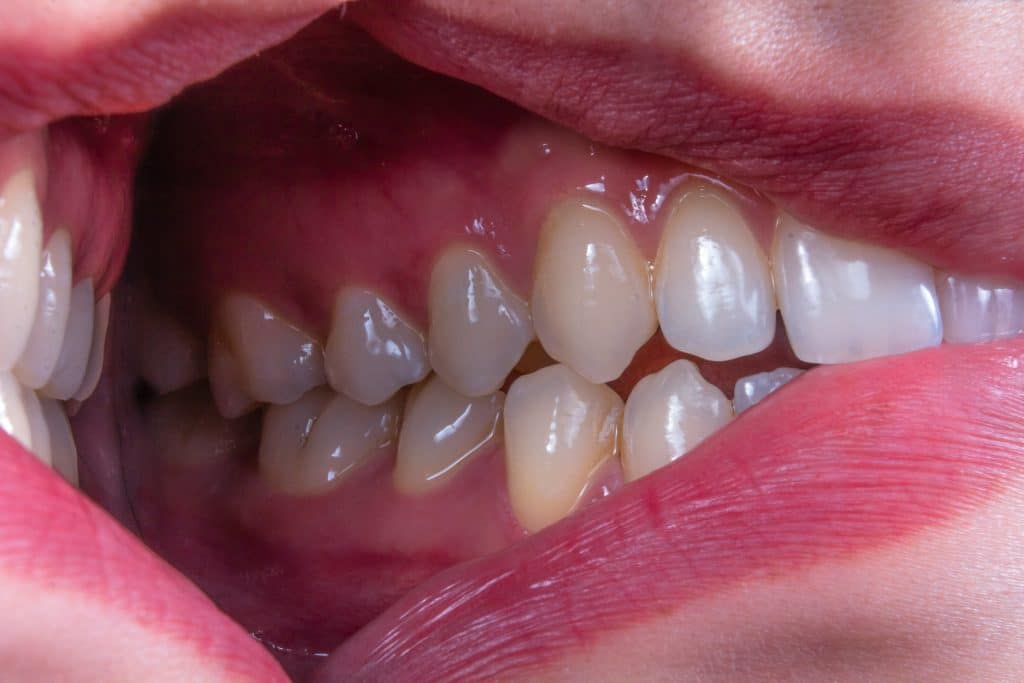
Before we move on to treating abscesses, it’s helpful to know about abscess types first. Here’s a quick list:
Periapical Abscess
Periapical Abscess: This is the most common type of abscess to occur in the mouth. These form near the root of a tooth.
Gingival Abscess
Gingival Abscess: If you are experiencing pain and discomfort with a pimple-like sore on the gum, it is called a gingival abscess. These abscesses inflame the gums and could lead to recession, in which case you may need a gum graft.
Periodontal Abscess
This type occurs on your gums but also involves teeth (while gingival abscesses only involve gum tissue). These abscesses usually occur if you have periodontitis (advanced gum disease) and gum pockets. In some cases, it can occur from traumatic injuries or food impaction. Periodontal abscesses should be treated urgently because they can cause the surrounding tissue and bone structures to deteriorate.
Common Symptoms of Dental Abscesses
Below are some of the most common symptoms of dental abscesses, irrespective of type:
- Pain that runs within and around the neck, jaw, and ear
- Sharp pain while biting, chewing, or speaking
- Facial swelling and redness
- Red and swollen gums
- Loose or discoloured teeth
- Tooth sensitivity to temperature
- Severe pain when lying down
- High fever
- Bad breath
- A foul taste in the mouth
- Tender, sore, or swollen lymph nodes under the jaw or neck
If the abscess ruptures, you may sense pus in the mouth and a bad odour. However, the pain may subside once the pus has drained.

What are the Causes of Dental Abscesses?
Abscess causes can vary depending on your health profile and lifestyle habits. Here are several common causes:
- Unaddressed dental decay and cavities
- Gum disease
- Dental injury due to an accident
- Tissue or enamel damage from hard brushing or certain food residue
- Botched dental treatments
- Generally poor oral health and hygiene
Causes of dental abscesses are not limited to the above. Other medical conditions may also affect how severely you are affected by dental abscesses.
How is a Tooth Abscess Treated?
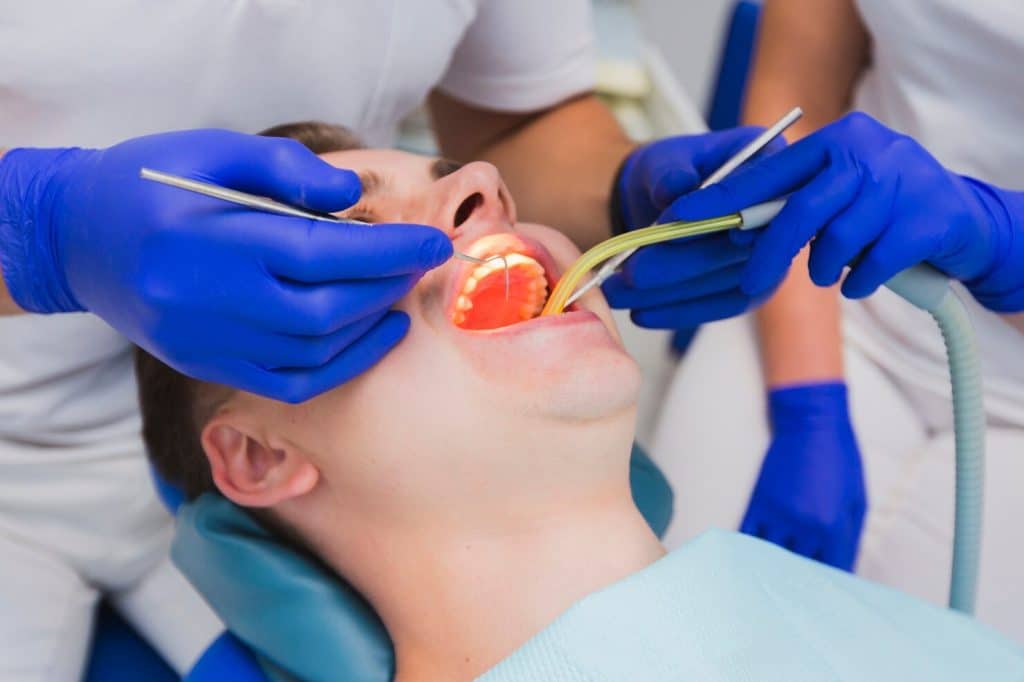
Professional abscess treatment depends on the type of abscess you have and the symptoms you are experiencing. Treatment usually involves draining the abscess, possibly performing a root canal or tooth extraction, and prescribing antibiotics if necessary. Pain relief and proper oral hygiene are also key to recovery and prevention.
Abscess Draining
Abscess Draining: The dentist makes a small cut in the abscess to drain the pus. After this, they will clean the area using an antiseptic or saline solution. Draining an abscess relieves the throbbing pain for most people, and the area begins to heal.
Root Canal Treatment
root-canal-treatment are performed if the abscess affects a nearby tooth. It helps save the tooth and prevent the infection from spreading deeper into the tooth root. This process involves the dentist removing the infected tissue and placing a cap over the affected tooth to protect it.
Root canals are performed if the abscess affects a nearby tooth. It helps save the tooth and prevent the infection from spreading deeper into the tooth root. This process involves the dentist removing the infected tissue and placing a cap over the affected tooth to protect it.
Tooth Extraction
When an abscessed tooth is severely damaged and has no other option than removal to stall the infection from spreading, the dentist will opt for extraction. Note that this is a last-resort measure as dentists prioritise saving natural teeth.
Get Immediate Help for Dental Abscesses with Complete Smiles
Dental abscesses are difficult to ignore, as all types cause pain. You should aim to get an abscess treated as soon as possible to prevent the infection from getting worse and spreading. Call 020 4541 1150 for emergency dental care at a Complete Smiles dental clinic in Harrow. You can submit an enquiry via our online form as well.

Dr. Malavi Sivakanesan (292322)
Dr. Malavi Sivakanesan is the principal dentist and co-founder at Complete Smiles in Harrow, Greater London. She is responsible for establishing the Complete Smiles brand throughout the United Kingdom and Europe and has 5 successful practices under her strong leadership.