by Malavi Sivakanesan • 31 March 2025 • 6 min read
Have you ever struggled to eat, drink, or even speak because of a sore mouth? Soreness refers to irritation, tenderness, or pain in the mouth, including the gums, tongue, and inner cheeks. This is why understanding the root cause and other symptoms associated with sore gums and mouth is very important. It will also help you get the right treatment or change the habits that might be causing the soreness.
Common Symptoms of Sore Gums and Mouth
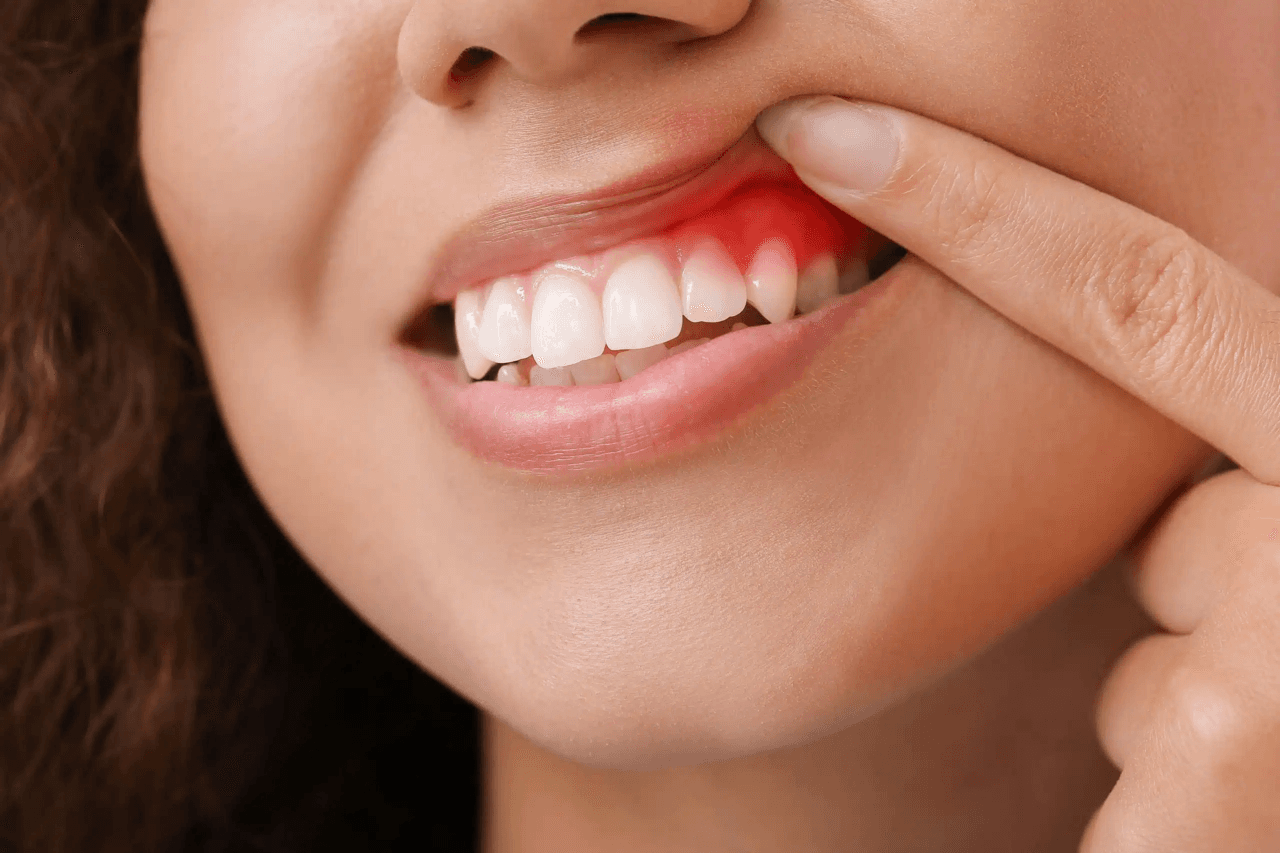
Let's start with how to identify that you have soreness in your mouth. If you have two or more of the following symptoms, you likely have sore gums and mouth:
- Redness and Swelling: Your gums will appear red and be more swollen or puffy than usual.
- Tenderness or Pain: Your gums will be tender and hurt most of the time, especially while brushing and flossing.
- Bleeding Gums: Your gums might even start to bleed a lot during brushing or flossing.
- Bad Breath or Bad Taste: You will have a constant bad odour in the breath or an unpleasant taste in the mouth.
- Receding Gums: You might notice receding gums — where the gums pull back and move away from the teeth, making the teeth more prominent.
Possible Causes of Sore Gums and Mouth
Sore mouth and gums can occur due to various factors, ranging from minor injuries to underlying health conditions. Here are some possible causes:
Canker Sores
Canker sores are small, round ulcers that form within the mouth, usually on the gums, tongue, or inside cheeks. These are caused by stress, nutritional deficiencies (B12, iron, folic acid), hormonal shifts, or minor trauma from brushing or dental procedures. They are not contagious but are very painful.
Gum Disease
Gum disease, also known as gingivitis, is caused by the buildup of plaque and bacteria. Poor teeth cleaning is the main culprit of plaque formation. Gingivitis is the initial phase resulting in redness, swelling, and bleeding. If left untreated, it can develop into periodontitis, which increases the risk of chronic mouth ulcers.
Dry Mouth
A dry and sore mouth occurs when there is inadequate saliva production. Dry mouth may be caused by medications, dehydration, smoking, or diseases such as Sjögren's syndrome. Moreover, as the mouth dries up, it causes irritation and inflammation and makes it more prone to mouth palate sores.
Nutritional Deficiencies
Nutritional deficiencies are a common but often overlooked cause of mouth sores. A deficiency of necessary vitamins and minerals — particularly vitamin B12, iron, and folic acid — weakens the soft tissues within the mouth. This will make your mouth more prone to white sores on gums.
Dental Procedures
Poorly fitted dental fillings, including braces or dental inlays, can cause constant friction in your mouth and lead to painful sores. These minor mouth sores from braces and other fittings mostly heal on their own. But if you are repeatedly getting hurt by dental fittings, you need to visit a dentist to get it fixed.
Wisdom Teeth
Wisdom teeth normally emerge in the late teens or early 20s, but for some people, this natural process can be painful. When wisdom teeth emerge, they might not have sufficient space, leading to swelling and soreness. This sore mouth from wisdom teeth may be responsible for infections, pain, and chewing difficulties.
Medical Side Effects
Certain medications, such as non-steroidal anti-inflammatory drugs, chemotherapy medications, and immune-suppressing medications, can cause irritation, leading to constant mouth sores. Some drugs also decrease saliva flow, which results in a dry mouth and eventually causes soreness in the mouth.
Infections
Viral infections like herpes simplex (cold sores) and hand, foot, and mouth disease can also cause soreness in your mouth. Similarly, bacterial infections such as strep throat or syphilis may cause white patches, inflammation, and painful inner mouth sores.
This happens more often in people with weakened immune systems or those who use antibiotics a lot. Prolonged antibiotic use can disrupt the natural balance of bacteria in the mouth and make you more susceptible to infections.
Tips for Managing and Preventing Sore Gums and Mouth
Here are some effective tips to manage and prevent sore gums and mouth:
- Use a Gentle Mouthwash: Prefer washing your mouth with an alcohol-free mouthwash to reduce bacteria without causing dryness or irritation.
- Stay Hydrated: Drink plenty of water throughout the day to prevent dry mouth and sore gums.
- Maintain a Balanced Diet: Eat foods that are rich in vitamin B12, iron, and folic acid to prevent nutritional deficiency-related ulcers.
- Regulate Stress: High-stress levels weaken immunity, making you more prone to chronic mouth sores. Practise relaxation techniques to reduce stress.
- Quit Smoking and Limit Alcohol: Tobacco and alcohol can dry out and irritate the mouth, increasing the risk of red mouth sores.
- Treat Underlying Health Issues: If you have frequent mouth sores that are not healing, consult a dentist or doctor to check for underlying conditions.
When to See a Dentist?
Occasional soreness is normal, as it can be caused by minor irritations like accidentally biting your cheek or eating spicy foods. However, if you experience constant soreness and even have difficulty drinking water and swallowing saliva, it could be a sign of an underlying health issue. Don't ignore persistent discomfort, as early intervention can prevent complications.

Malavi Sivakanesan
Malavi Sivakanesan is the principal dentist and co-founder at Complete Smiles in Harrow, Greater London. She is responsible for establishing the Complete Smiles brand throughout the United Kingdom and Europe and has 5 successful practices under her strong leadership.