by Malavi Sivakanesan • 27 February 2025 • 6 min read
Wobbly teeth are normal in children, but not in adults. If your adult teeth are loose, there's a good chance that you could permanently lose them without immediate treatment. Loose teeth in adults are a clear sign of poor dental and oral care or an oral disease. If you are wondering, 'My front tooth is loose, what can I do?' — you can consult with an orthodontist. They will thoroughly check the condition and suggest appropriate solutions, such as veneers.
What to do With a Wobbly Tooth?
A tooth becomes loose when it begins to detach from the gums and bone, resulting in insufficient support. Since adult teeth are expected to last all your life, you must immediately book your consultation with an expert for a proper diagnosis.
There is not much you can do at home to treat a loose tooth, except properly brush, floss, and prevent the condition from getting worse.
Some Tips if You Have a Loose Tooth
- Visit your dentist as soon as possible.
- Eat soft food items or liquids to prevent further damage.
- Rinse carefully by using mouthwash to keep the wobbly tooth clean.
- Do not pick at or move the loose tooth on your own, as it can make it worse.
- Avoid pulling the loose tooth as it can cause bleeding or come off.
- Brush twice a day and floss.
- Do not take any medications without consulting your dentist.
- Do not try natural remedies without asking a dentist first.
Depending on the severity and other aspects, you will be advised to have dental veneers, bridges, etc. to support the wobbly tooth.
What are the Common Causes of a Loose Tooth?

Gum Disease
This is the most common reason that people experience loose teeth. Gum disease occurs when bacteria and tartar (dental calculus) build up around your gum line. It can cause your gums to recede, reducing the supportive tissue that holds teeth in place. As a result, you will feel that some teeth are loose.
Gum disease is treatable, even though prevention is the best cure. Treatments, such as gum graft surgery under conscious sedation, can recreate the gum tissue that you have lost. Your teeth may feel less wobbly as a result.
Some common signs of gum disease to watch out for include bleeding gums, abscesses, swelling, discolouration, and chronic bad breath.
Pregnancy
Yes, you can have a wobbly tooth due to pregnancy. This happens because of changes in progesterone and oestrogen levels. Though these hormonal changes revert after delivery, many women experience certain aftereffects, like loose teeth.
Injury in Mouth
Trauma is another common reason why people end up with loose teeth. In this case, the surrounding gum tissue or bone is healthy. But under considerable impact, teeth may break and/or become loose.
Treating loose teeth caused by accidents and injuries is similar to treating teeth lost due to gum disease or old age. After managing bleeding and treating the injury, dentists may recommend a dental crown, veneers, or implants to restore the look and function of the tooth.
Teeth Grinding
Also known as bruxism, teeth grinding damages the enamel of the teeth. The constant movement can also affect how teeth are attached to the bone, making them become wobbly. Dentists recommend wearing mouthguards to protect teeth if you clench or grind your teeth in your sleep. There are other treatments available with dental consultations.
Other Medical Conditions
Diseases that affect tissue and bone can also affect your mouth and teeth. For example, osteoporosis affects bone density in the body, including your jawbone. When your jawbone becomes thinner, teeth start losing support and become wobbly. Other examples of diseases that cause loose teeth include acid reflux and calcium or Vitamin D deficiency.
Medications
Certain medications may have side effects that adversely affect your oral health. Steroid use, for example, is known to cause loose teeth. Hence, you must tell your dentist if you are taking any medication for a comprehensive assessment of why you have loose teeth.
What to do to Tighten a Wobbly Tooth?
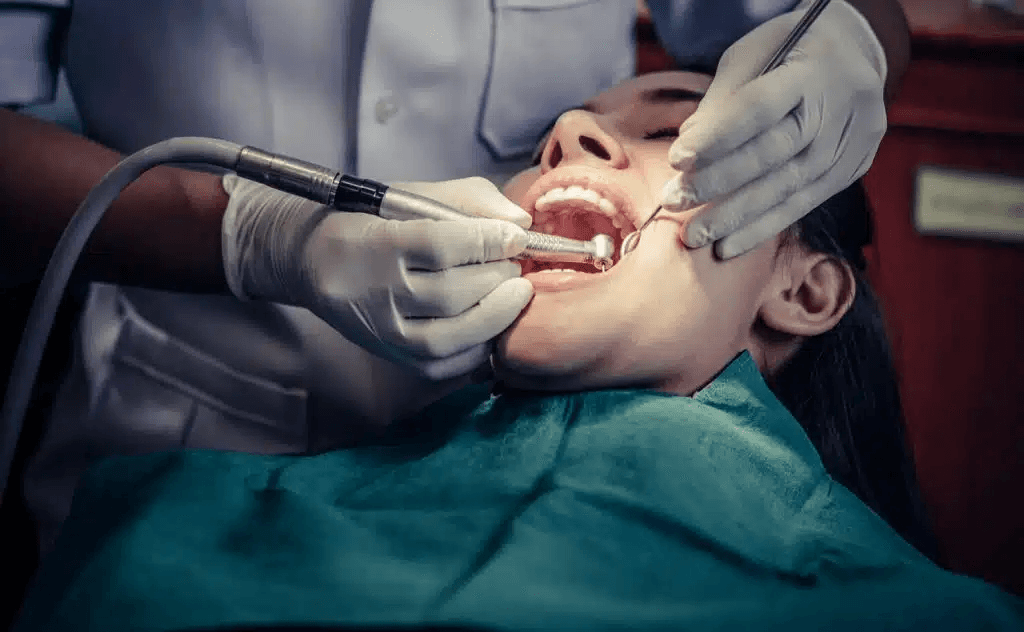
There are several dental treatments for addressing loose teeth. Let's take a look:
Splinting
Splinting is supporting a loose tooth by bonding it to neighbouring teeth with a thin, strong material. This stabilises the tooth while the surrounding tissues heal and can provide immediate relief from discomfort.
Deep Cleaning (Scaling and Root Planing)
If gum disease is the culprit, dentists will thoroughly clean beneath the gumline to remove plaque and bacteria. This helps reduce inflammation and allows the gums to reattach more firmly to the tooth.
Periodontal Therapy and Surgery
In more advanced cases, especially with gum disease, surgical procedures such as flap surgery, bone grafts, or gum grafts may be recommended to restore lost support.
Bite Adjustment or Night Guards
If teeth grinding or an uneven bite is contributing to mobility, you may need orthodontic treatment to adjust the bite. Dentists may also prescribe the use of a protective night guard to reduce pressure on the affected tooth.
Extraction and Replacement
In case the tooth is beyond repair, your dentist may recommend tooth extraction to prevent infection and discomfort. You can replace a lost tooth with dental implants, bridges, or partial dentures, all of which restore function and appearance.
Treat Loose Teeth with Complete Smiles

If you are experiencing a wobbly tooth, it is important to seek prompt treatment from a specialist dentist. At Complete Smiles, a dedicated team of dentists is fully equipped to provide effective advice and carry out necessary procedures safely without pain. Book your dental checkup today to discover the most suitable solution for your loose tooth.

Malavi Sivakanesan
Malavi Sivakanesan is the principal dentist and co-founder at Complete Smiles in Harrow, Greater London. She is responsible for establishing the Complete Smiles brand throughout the United Kingdom and Europe and has 5 successful practices under her strong leadership.