by Malavi Sivakanesan • 4 March 2025 • 6 min read
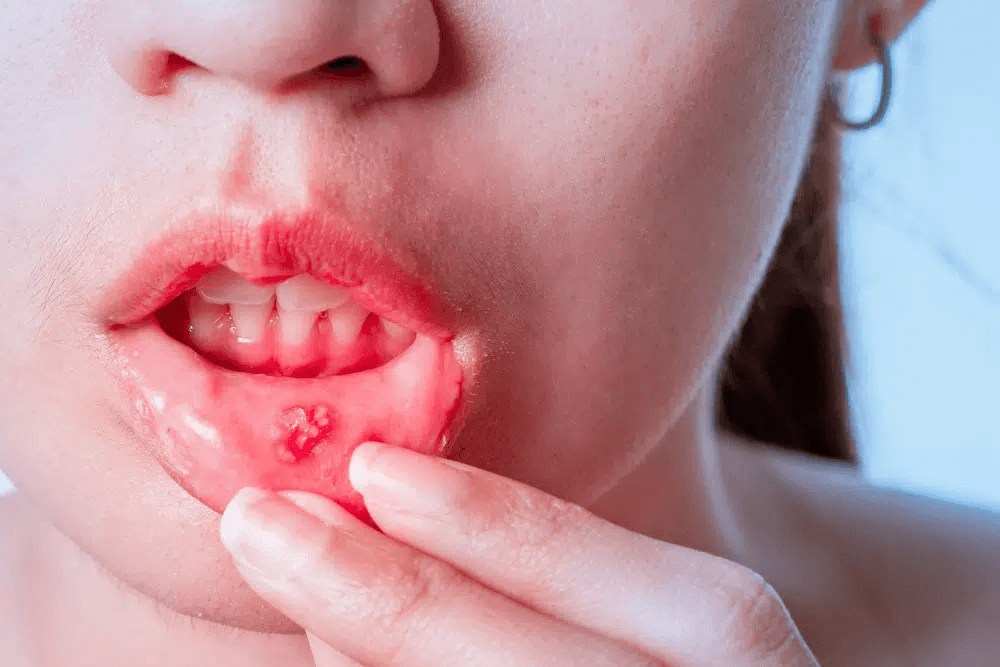
Mouth sores are small ulcers that develop on the tongue, gums, lips, or inner cheeks, causing discomfort and irritation. While they are usually harmless, they can make everyday activities like eating, drinking, and even speaking painful. Mouth sores can be caused by several factors, such as viral infections, stress, dehydration, GERD, smoking, and autoimmune conditions. It is very important to know the root cause so that you can get the right treatment.
What Commonly Causes Sore Mouth?
A sore mouth can be caused by a variety of factors, from minor irritations to underlying health issues. Here are some of the common causes:
Infections
Viral infections like herpes simplex (cold sores) and hand, foot, and mouth disease are some of the most frequent culprits. Bacterial infections, such as strep throat or syphilis, can also cause sore mouth infections. These bacteria and viruses that cause mouth sores in adults can spread through close contact or poor oral hygiene.
Injury and Irritation
Accidentally biting your cheek or tongue or eating sharp or hot foods can damage the delicate tissue inside your mouth. Even poorly fitted braces or dental fillings can cause constant friction and lead to painful sores. These minor mouth sores from braces mostly heal on their own. But repeated irritation can cause chronic mouth sores and delay healing.
Nutritional Deficiencies
Nutritional deficiencies are a common but often overlooked cause of mouth sores. A lack of essential vitamins and minerals, such as vitamin B12, iron, and folic acid, can weaken the lining of the mouth. This can make your mouth more prone to developing painful ulcers.
Autoimmune Disorders
Autoimmune disorders occur when the immune system attacks your body's own healthy cells. Lupus, Behçet's disease, and pemphigus vulgaris are some of the conditions that may trigger autoimmune mouth sores. If you have a sore that doesn't heal or respond to standard treatment, it can be a sign of autoimmune disorders.
Serious Health Conditions
Persistent or non-healing sores can be an indication of cancer, which needs to be evaluated by a doctor immediately. Other issues, such as oral thrush and sore throat, may also indicate underlying health issues.
Other Common FAQs About Sore Mouth Causes
Can mouth sores be caused by stress?
Yes, stress weakens the immune system and puts you at higher risk for mouth sores and other mouth irritations. It can also cause teeth grinding or biting on the inside cheeks. This may worsen long-term mouth sores. You can reduce flare-ups through stress management by doing relaxation exercises and maintaining a good diet.
Can GERD cause sores in the mouth?
Yes, Gastroesophageal Reflux Disease (GERD) may force acid upward into the mouth, which causes oral irritation and mouth sores. Prolonged exposure to stomach acid may cause inflammation, pain, and eventually sore mouth infections in the long run. You must change your lifestyle or take a drug treatment for GERD to prevent getting mouth sores.
Can dehydration cause mouth sores?
Yes, dehydration suppresses saliva secretion, which results in oral tissues drying out and becoming irritated. Without sufficient saliva to clean out viruses and bacteria, viral mouth sores and infection are more likely. You must drink enough water to keep yourself hydrated so that it preserves oral health and avoids chronic mouth sores.
Can dry mouth contribute to mouth sores?
Yes. Dry mouth (xerostomia) can be a breeding ground for bacteria and causes sore mouth infections and ulcers. A dry mouth can cause discomfort, irritation, and speaking or swallowing difficulties. Dry mouth symptoms can be relieved by the use of saliva substitutes or increased fluid intake.
Can smoking cause mouth sores?
Yes, smoking is irritating to the mouth's sensitive tissues and makes you more prone to cancer, mouth sores, and oral thrush. The chemicals and heat in tobacco can also lead to inflammation, resulting in repeated chronic mouth sores.
When to See a Dentist?
Mouth sores can be caused by a variety of factors, from minor irritations to underlying health conditions. Most sores heal on their own, but some persistent sores could signal something more serious, such as an infection, nutritional deficiency, or even an autoimmune disorder. If your sores last longer than two weeks, it's important to seek professional care.

Malavi Sivakanesan
Malavi Sivakanesan is the principal dentist and co-founder at Complete Smiles in Harrow, Greater London. She is responsible for establishing the Complete Smiles brand throughout the United Kingdom and Europe and has 5 successful practices under her strong leadership.