
May 8, 2021
Almost everyone experiences bad breath occasionally. But for some people, bad breath is a daily problem they struggle to find a solution for. Approximately 20% to 30% of the European population suffers from some form of bad breath, according to clinical surveys.
Halitosis (Latin for “bad breath”) can be temporary or chronic. For most people, it occurs after a garlicky meal or in the morning after waking. Other causes of temporary halitosis include certain beverages (including alcoholic drinks or coffee) and tobacco smoking.
Bad breath is not as simplistic as it seems. Sometimes, it can indicate an underlying health problem. Let’s look at what causes bad breath and what you can do to make it go away for good.

What Causes Bad Breath?
- Persistent bad breath is caused by the smelly gases released by the bacteria that coat your teeth, gums, and tongue. Also, bits of food that get caught between the teeth and on the tongue will rot and can sometimes cause an unpleasant smell.
- Strong foods like garlic, coffee, and onions can add to the problem. So, it is very important to brush your teeth correctly and regularly. This will help keep your breath smelling fresh.
- Dental plaque is a sticky layer filled with bacteria that builds up on your teeth and gums. If plaque isn’t removed, it can accumulate and eventually lead to gum disease. One of the most noticeable warning signs of gum disease is bad breath.
- Dry mouth, a major cause of bad breath, can be triggered by certain medications, problems with the salivary glands, or even habits like breathing through your mouth instead of your nose. It’s also more common as we age, since saliva flow naturally decreases with age.
- Smoking is one of the biggest causes of unpleasant breath. Tobacco not only leaves a lingering odour on your breath, but it also puts you at risk of gum disease, which in turn can make bad breath worse.
Beyond the Mouth: Other Causes of Bad Breath
While most cases of bad breath start in the mouth, there are situations where the cause lies elsewhere in the body. Conditions such as sinus infections, tonsillitis, bronchitis, or gastrointestinal problems can sometimes contribute to halitosis.
In rare cases, systemic illnesses like uncontrolled diabetes, liver disease, or kidney disease may cause distinctive odours in the mouth due to the release of certain chemicals into the bloodstream and lungs.
- Diabetes may cause a fruity or acetone-like smell due to high levels of ketones.
- Kidney disease can lead to a metallic or ammonia-like odour.
- Liver disease may cause a musty or sweet smell on the breath.
If bad breath doesn’t go away despite good oral hygiene, it is important to consult a dentist or GP to rule out these underlying conditions.
10 Tips for Preventing Bad Breath
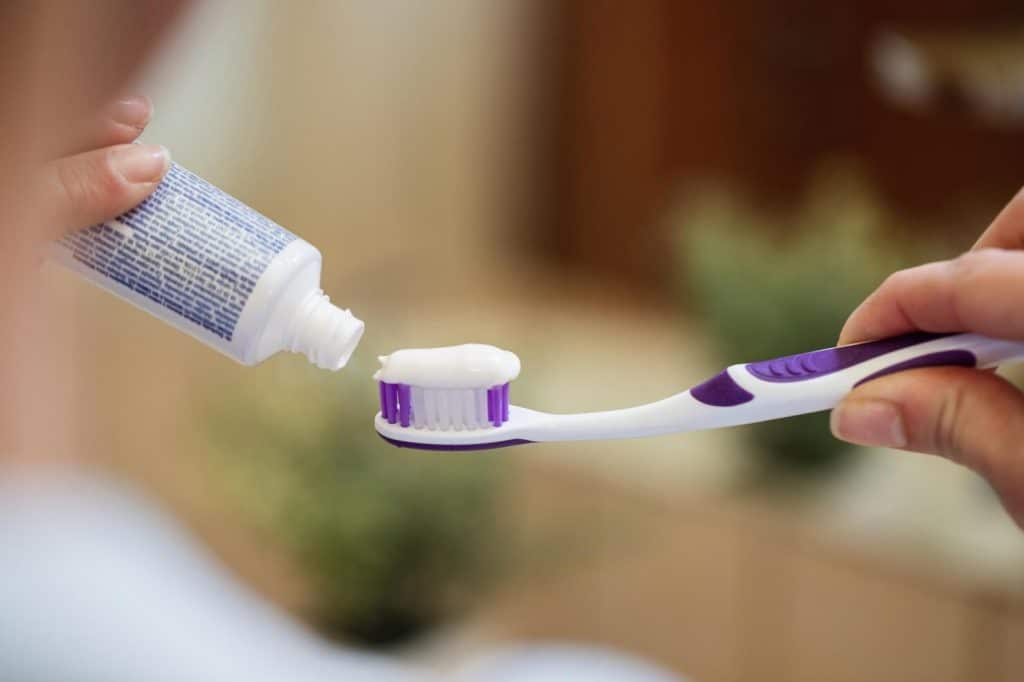
- Brush your teeth at least twice a day for two minutes.
- Use a fluoridated toothpaste.
- Gently clean your tongue once a day with a toothbrush or a tongue cleaner.
- Visit a dentist regularly for a thorough check-up.
- Learn to floss properly to remove food particles between teeth.
- See a dental hygienist ideally four times per year.
- Occasionally use an antibacterial mouthwash to keep teeth and gums clean.
- Stop smoking.
- Diligently clean dentures, braces, or aligners if you wear them.
- Chew sugar-free gum or sugar-free mints to freshen your breath.
Practical Lifestyle Tips
In addition to the measures above, there are some simple daily habits that will help you manage bad breath for good:
- Stay hydrated. Drinking enough water daily helps wash away food particles and bacteria and prevents dry mouth.
- Limit alcohol and caffeine. Both can dry out the mouth, making bad breath worse.
- Eat a balanced diet. Crash diets or low-carbohydrate diets can cause the body to break down fat for energy, releasing ketones that give the breath an unpleasant odour.
- Avoid excessive mouthwash use. Improper or excessive use of alcohol-based mouthwashes can dry out the mouth and worsen the problem.
When to See a Professional

If you notice any of the following conditions with your bad breath, it is important to seek professional advice.
- Bleeding gums when brushing or flossing
- Loose teeth
- Painful or swollen gums
- A bad taste in your mouth that does not go away
Dentists can check for gum disease, tooth decay, or poorly fitting dental appliances that may be contributing to bad breath. If no dental cause is found, your dentist may refer you to your GP for further investigation.
Get Help for Bad Breath
Bad breath can affect your confidence and become a constant source of stress. If daily brushing and flossing aren’t helping, you may need professional care for a long-lasting solution.
Complete Smiles has a team of experienced dentists from a variety of specialties that can properly identify the cause of bad breath and effectively treat it. Call us to book a consultation easily and promptly.

Dr. Malavi Sivakanesan (292322)
Dr. Malavi Sivakanesan is the principal dentist and co-founder at Complete Smiles in Harrow, Greater London. She is responsible for establishing the Complete Smiles brand throughout the United Kingdom and Europe and has 5 successful practices under her strong leadership.