October 11, 2021
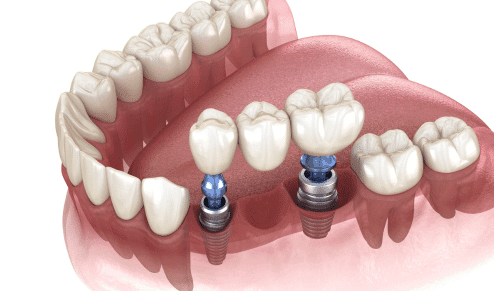
Choosing dental implants is a big decision, both financially and health-wise. It is highly recommended to know your facts before you commit to these devices. Dental implants are highly effective and transformative, but there are risks and requirements all prospective patients must know in advance for the treatment to be a success.
Without further ado, let’s look at little-known facts about dental implant treatment that will help you in your decision to receive them:
They Help Preserve the Face Contour
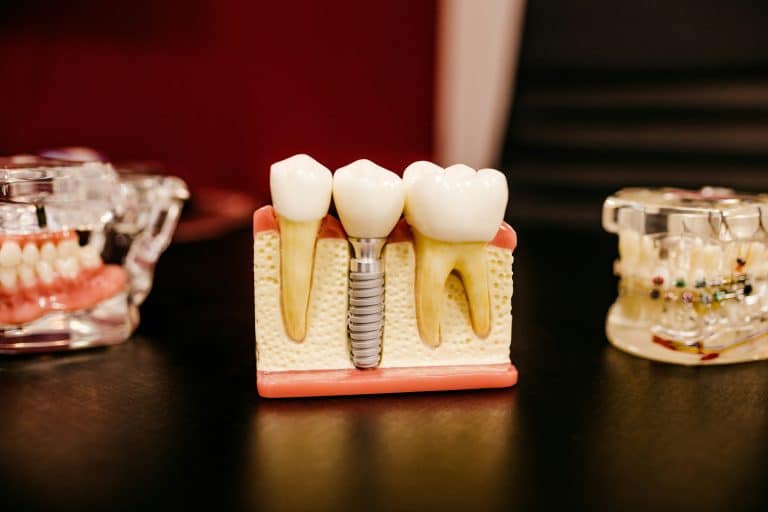
When teeth are missing, the jawbone begins to shrink because it no longer receives stimulation from tooth roots. Over time, this bone loss can change the shape of your face. This effect is sometimes called “sunken face,” where your cheeks sag and you look years older than you are.
Dentures can replace the visible teeth, but they don’t prevent bone loss. Dental implants, however, act like artificial tooth roots. Once placed, they stimulate the jawbone in the same way natural teeth do. This helps preserve bone density and maintain your natural facial structure.
A professional dentist in Harrow can place dental implants, which will restore your smile and stall facial sagging.
Dental Implants Last a Lifetime
Unlike dentures or bridges, which may need replacement every 5 to 10 years, implants are designed to be permanent. The titanium post integrates with the bone in a process called osseointegration, creating a stable foundation for the crown. Over time, the bone grows around the implant, locking it in place.
While the crown (the visible part of the tooth) may eventually need replacement due to wear, the implant itself can last a lifetime with proper oral hygiene. Implant failure is very rare in the UK. This makes dental implants a reliable long-term investment in terms of both oral health and confidence.
Restores the Normal Speech
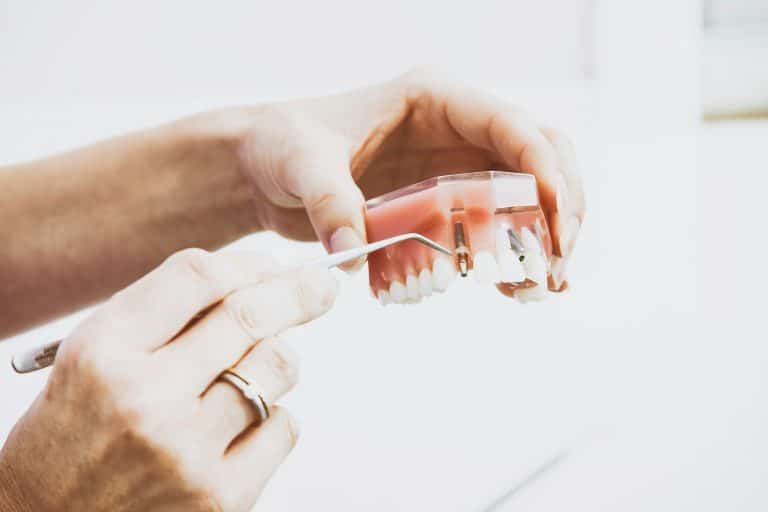
Missing teeth can affect the way you pronounce certain words. Treatments like dentures sometimes slip or move, making speech less clear. While dentures can help restore function, they don’t always bring speech back to its natural level.
Dental implants, on the other hand, feel and work like real teeth. Because they are securely anchored in the jaw, they don’t shift or wobble. As a result, you will be able to speak naturally and easily without worrying about slurring or unintelligible pronunciation.
Requires Diligent Maintenance and Caretaking
The maintenance routine of implants needs to be the same as you follow for natural teeth. This is because they look and function like real teeth. Fortunately, you are not required to stick to complicated cleaning routines. You can clean implants and crowns by regular brushing and flossing, just like natural teeth.
Some tips to follow to keep your dental implants in tip-top shape:
- Brush twice a day with fluoride toothpaste.
- Floss daily.
- Use interdental brushes to clean between teeth.
- Consider using an oral irrigator for extra cleaning power.
- Visit your dentist regularly for checkups and professional cleaning.
- See a dental hygienist annually (dentists recommend four visits per year).
Cleaning implants is far more convenient than cleaning dentures. Doing so reduces the risk of an implant failing in the future or gum disease returning if that’s the reason you lost teeth.
Implants Don’t Get Cavities but Infections Can Still Happen
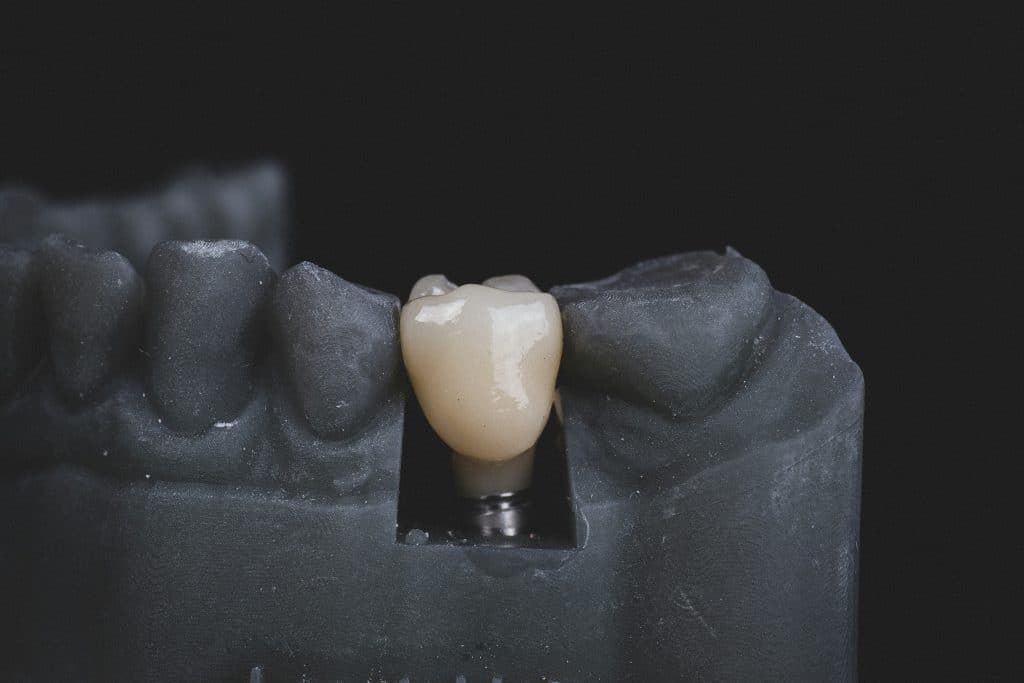
You won’t need to go looking for a dentist in Harrow to treat cavities for implant-supported teeth, because they don’t rot like real teeth. However, this does not mean implants are totally risk-free. Even without enamel, the gum tissue and bone surrounding an implant are susceptible to infections. .
In some cases, especially if oral hygiene is poor, bacteria can build up around an implant. This condition, known as periimplantitis, is similar to gum disease and can lead to implant failure if left untreated. You may also experience pain and redness of infected gum tissue.
The good news is that with good oral hygiene and regular dental visits, the risk of periimplantitis is relatively low. And unlike natural teeth, implants themselves will never decay, since they are made from titanium and ceramic materials that bacteria cannot damage.
Smokers May Face Challenges Keeping Implants Long-Term
If you smoke, you may still be eligible for dental implants, but the process can be more complicated. Smoking is a risk factor for a number of diseases in the mouth and it can increase inflammation and reduce your body’s ability to heal. Smoking also interferes with osseointegration, making it harder for the implant to fuse with the bone. .
This doesn’t mean smokers can’t get implants, but it does mean they will need to quit smoking or tone down the habit to lower the risks of implant-related complications. Implant failure is much higher for smokers than for non-smokers. Therefore, dentists recommend quitting smoking for good before and after implant surgery to improve the chances of success.
Insurance Won’t Cover Dental Implants
Dental implants are rarely covered by dental insurance, if ever. They are usually considered a cosmetic procedure, even though they provide significant functional and health benefits.
This means you’ll likely need to cover the cost yourself. Also, only private dental clinics offer a range of dental implants, unlike the NHS, where options are quite limited.
Some private clinics make financing implants easier with monthly payment plans. Spreading the cost over several months makes the overall treatment more affordable. Some may have offers or “dentist in Harrow” that reduces costs even further.
In some cases, especially if oral hygiene is poor, bacteria can build up around an implant. This condition, known as periimplantitis, is similar to gum disease and can lead to implant failure if left untreated. You may also experience pain and redness of infected gum tissue.
The good news is that with good oral hygiene and regular dental visits, the risk of periimplantitis is relatively low. And unlike natural teeth, implants themselves will never decay, since they are made from titanium and ceramic materials that bacteria cannot damage.
Conclusion
Dental implants offer life-changing advantages for many who get them. Although they are a considerable investment, you can reap benefits for years to come with proper oral care and by staying informed.
If you’re considering implants, speak with a qualified dentist who can assess your individual needs and explain in detail what to expect before, during, and after. Complete Smiles clinics offer dental implant consultations free of charge for new patients. Contact us to book an appointment and get all your concerns about implants addressed by a dental specialist.

Dr. Malavi Sivakanesan (292322)
Dr. Malavi Sivakanesan is the principal dentist and co-founder at Complete Smiles in Harrow, Greater London. She is responsible for establishing the Complete Smiles brand throughout the United Kingdom and Europe and has 5 successful practices under her strong leadership.